







El Veredicto
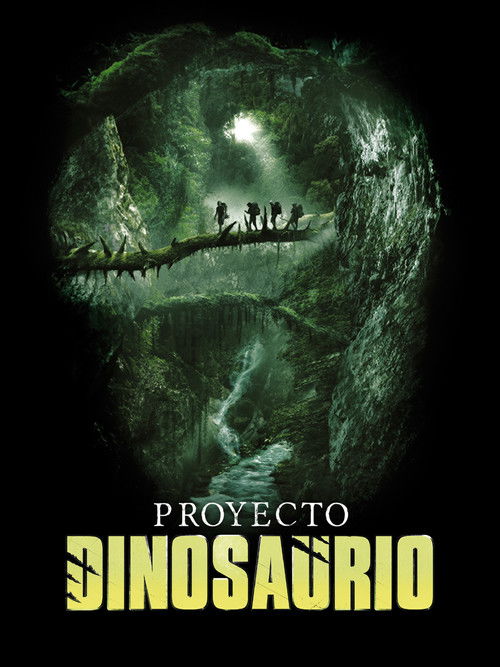
El explorador Jonathan Marchant está al frente de la expedición de la British Cryptozoological Society que buscará en África rastros del llamado Mokele Mbembe, una legendaria criatura acuática que, según las leyendas locales, merodearía en un lago del Congo.
El explorador Jonathan Marchant está al frente de la expedición de la British Cryptozoological Society que buscará en África rastros del llamado Mokele Mbembe, una legendaria criatura acuática que, según las leyendas locales, merodearía en un lago del Congo. Marchant forma un equipo en el que se infiltra en secreto su hijo de quince años, Luke, un chico un poco demasiado vivaz que acaba de ser expulsado de la escuela. La expedición, sin embargo, no comienza de la mejor manera y el helicóptero en el que viaja el equipo se estrella en medio de la selva debido a algunos extraños y gigantescos pájaros. Los supervivientes del impacto se adentran en el corazón del Congo, listos para grabar todo con su equipo restante, descubriendo que en ese rincón del mundo han sobrevivido seres prehistóricos listos para hacer difícil su supervivencia.
Bruja? Presente.
Demonios? Presentes.
Fantasmas? Presentes.
Extraterrestres? Presentes.
Asesino en serie? Presente.
Zombis? Presentes.
Chicos con superpoderes? Presentes.
¿Quién —o qué— falta en la lista para aparecer en un mockumentary del tipo found footage? Los dinosaurios, quizás… No hay que preocuparse, el documentarista inglés Sid Bennett escribe y dirige "The Lost Dinosaurs" poniendo en escena su pasión por la criptozoología.
Imaginen "Jurassic Park", o más bien "Jurassic Park III" —que es más pertinente con la trama— y combínenlo con "The Blair Witch Project" (el título original de la película es "The Dinosaur Project"), aunque la influencia mayor quizás provenga de "The River", la serie de televisión creada por Oren Peli y agotada en una sola temporada. Así tendrán "The Lost Dinosaurs", una bonita peliculita típicamente estival que en su mezcla de más elementos resulta entretenida y paradójicamente original.
En la película de Bennett encontramos el abc de la guionización con algunas elecciones que inevitablemente resultarán banales, como el conflicto entre padre e hijo, en el que este último, además de ser la copia en miniatura del progenitor que ve en él todos los errores cometidos en su juventud y por eso listo para prevenirlos, nos es presentado de inmediato como experto en tecnologías, facilitando así muchos futuros nudos de la trama. Pero todo esto puede estar bien, así como no estorba el subtema ecologista y la complicidad que se crea entre Luke y un cachorro de Dilofosauro, prontamente bautizado Cripto y necesario para el epílogo de la película. Meritorias algunas elecciones respecto al destino de los personajes, bastante inesperadas, mientras que lo que podría molestar es la introducción de un malo humano, el típico recurso para enfocar la atención en la mezquindad del hombre que aquí parece aún más forzada de lo habitual.
Entenderán pues que, a pesar de su deseo de ser "algo más" vista la técnica del falso documental, "The Lost Dinosaurs" termina por ser una película muy cercana al estándar del espectáculo de terror/aventura, haciendo suya la lección de la saga de Spielberg sobre los dinosaurios. Pero está bien así, una película que viaja sobre seguro y sabe entretener y divertir, gracias a una visión rápida (la película dura apenas 80 minutos) y una trama simple pero cautivadora.
Hay una buena variedad de dinosaurios en "The Lost Dinosaurs" que se apartan de los habituales T-Rex y Velociraptor que los diversos "Jurassic Park" (y no solo) nos han propuesto a lo largo de los años. Más bien se hace uso de reptiles voladores (dos variedades diferentes), un bonito plesiosaurio que chapotea en la garganta de un cañón y luego carnívoros de varias tallas y voracidad, todos realizados de manera bastante buena, aunque el montaje falso-amateur y la apariencia "sucia" del mockumentary ayudan a disfrazar el efecto visual. A propósito de mockumentary, "The Lost Dinosaurs" utiliza de manera funcional el expediente de la grabación a toda costa, vistos los fines científicos/documentalísticos de la misión, que en un cierto punto asumen también otros objetivos. Excelente e innovador es el uso de la cámara GoPro que se fija en un dinosaurio, para tener tomas subacuáticas y no solo todas en subjetiva.
El corte de "The Lost Dinosaurs" es, en cualquier caso, más aventurero que de terror y si bien hay concesiones al susto en más de una ocasión, la violencia y la sangre quedan mayormente fuera de campo.
En resumen, entretenimiento sin pretensiones que funciona precisamente por su simplicidad de fondo. En el panorama actual de los mockumentaries que reciclan ideas y añaden números después del título, "The Lost Dinosaurs" es uno de los más frescos y divertidos.
Comentarios
Comentarios (0)






Comentarios