





The Verdict
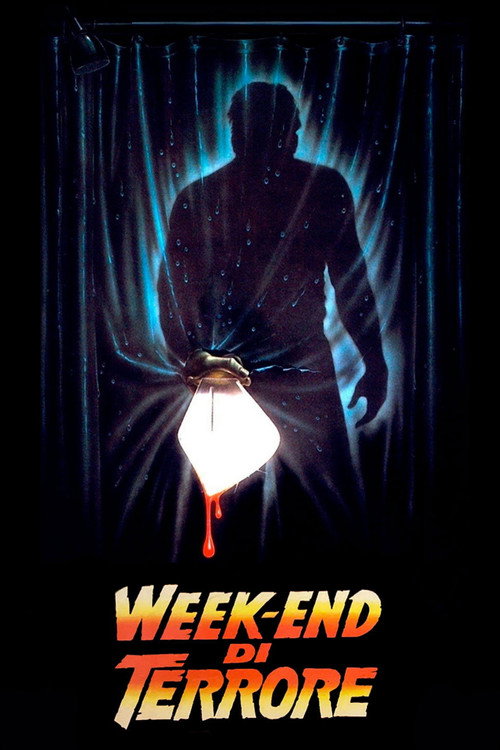
1957. At the Crystal Lake camp, a boy named Jason Voorhees drowns in the lake.
1957. At the Crystal Lake camp, a boy named Jason Voorhees drowns in the lake. One year later, two camp counselors are caught in amorous acts and killed. Since then, the camp has been closed until, approximately twenty years later, a group of boys and girls commit to restoring it for a new opening, despite the rumors of a curse on that place. From the moment the kids set foot in Crystal Lake, a chain of atrocious murders begins against the restorers themselves.
"Friday the 13th" is probably the most famous slasher movie that cinema history remembers and, although it is not the initiator of the genre (historically attributed to "Black Christmas" by Bob Clark), it is surely the one that consolidated it. In fact, "Friday the 13th" was a planetary success:
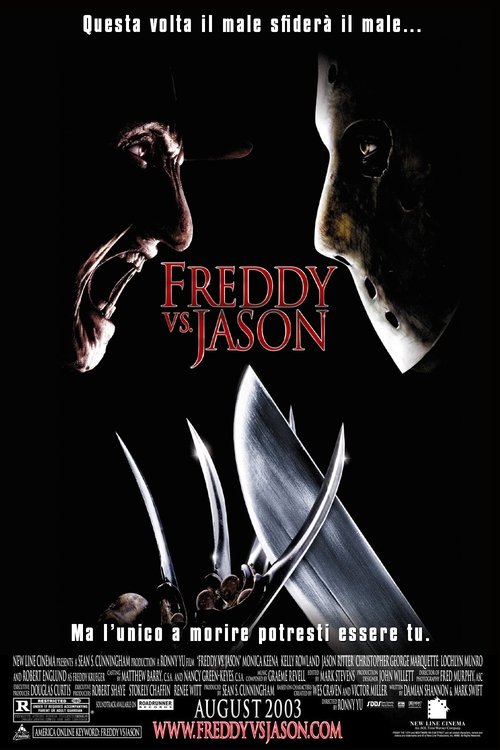
costing only 500,000 $, it grossed such a high amount between box office and subsequent home video (as well as brand exploitation), that it encouraged the producers to continue the saga up to ten more titles plus a crossover with the "Nightmare" saga. The most clamorous case of longevity for a horror film saga.
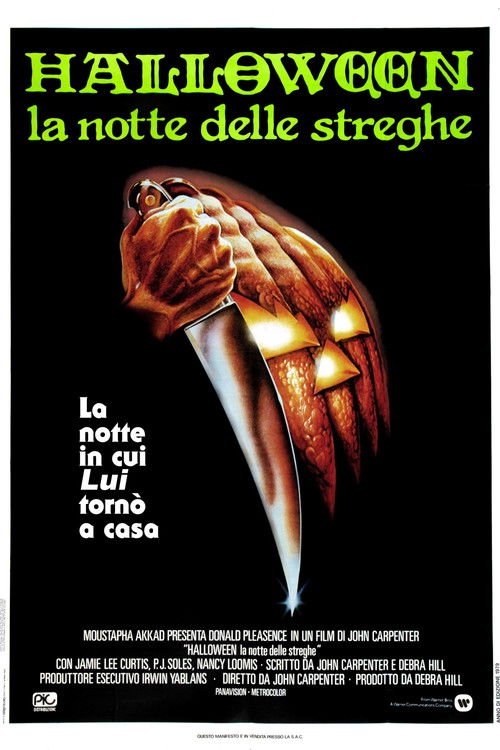
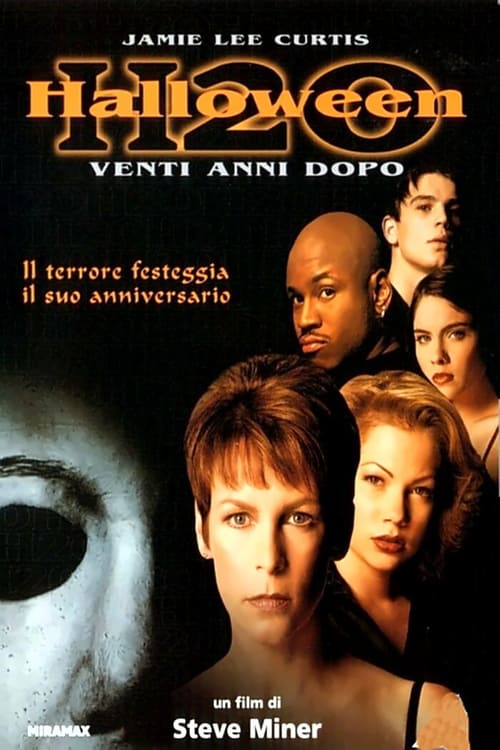
"Friday the 13th" has the merit of having taken the rules of the slasher to extreme and explicit consequences, already exposed in "Halloween – The Night of the Screams" by John Carpenter. In these films, there are indeed the key elements for the construction of a perfect slasher movie, which will then be analyzed and deconstructed in the Cravenian "Scream", the true manifesto of the genre. Slashers are products with a potential teenage audience, so the protagonists must be teenagers to allow for greater identification, although they are generally unlikeable and physically attractive;
moreover, slashers, unconsciously, have become carriers of a markedly moralistic and conservative message, since the numerous murders always occur at the expense of young representatives of a deviant adolescence: those who have sex or use alcohol and drugs die, while those who usually survive are the character (usually a girl) who has not been corrupted by these venial sins. The murders then usually occur with a blunt weapon and are preferably carried out by a psychopath with their face hidden by a mask. "Friday the 13th" is precisely the flagship of all these rules, but, as has been said, it owes much to the precedent "Halloween – The Night of the Screams", starting with the idea of using an immediate and suggestive title (both titles refer to particular days of the year), then moving on to the body-count and the choice of an obsessive and unsettling musical commentary (by Henry Manfredini), which has passed into the history of horror cinema just like the more suggestive theme of "Halloween".
Despite the enormous historical merits, however, "Friday the 13th" does not contain characteristics that can also consecrate it at an artistic level. The direction of Sean S. Cunningham, although professional, does not present elements of note (far from the elegant proof that two years earlier Carpenter had given in "Halloween", now an inevitable point of comparison), although the voyeuristic style of some shots is appreciable for the ability to make the viewer identify with the indefinite (and indefinable) presence that moves among the trees of the forest. The screenplay, according to Cunningham's own statement, is only a pretext for the staging of brutal murders and to build a decent final twist.
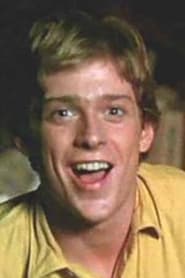
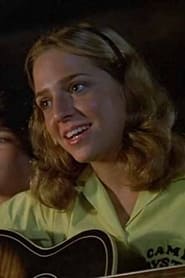
An additional merit of the film goes to the exceptional makeup effects by the master Tom Savini, who stages very realistic murders. The cast includes an unsettling Betsy Palmer in the role of Mrs. Pamela Voorhees; Adrienne King, in the role of Alice, the protagonist; and a very young Kevin Bacon in his cinematic debut.
A must-see film for anyone who wants to approach the world of cinematic horror: great historical importance and guaranteed entertainment for the viewer.
And remember: if someone asked you who the killer of "Friday the 13th" is, be very careful what you answer!
Comments
Comments (0)











Comments