
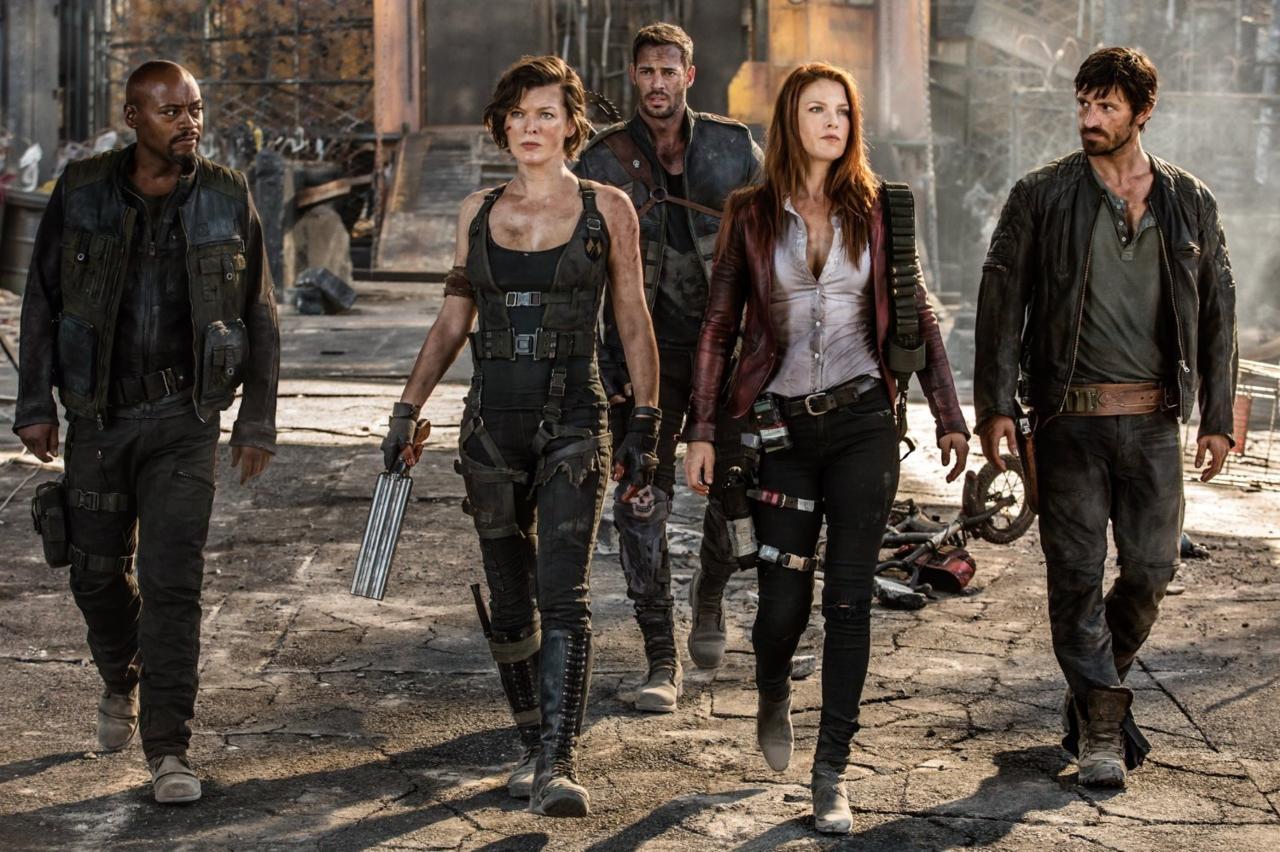

La saga cinematográfica de Resident Evil se prepara para un nuevo capítulo: el reinicio previsto para el 18 de septiembre de 2026 ya está confirmado. El proyecto estará dirigido por Zach Cregger, quien coescribe el guion junto a Shay Hatten. La producción cuenta con el respaldo de Sony Pictures (a través de Columbia) y Constantin Film, tras una auténtica 'carrera' por los derechos que Sony habría ganado.
Una de las noticias más interesantes es que Cregger ha declarado que la película estará ambientada en el universo de los videojuegos, pero con una historia completamente original, no simplemente una adaptación directa de uno de los capítulos ya existentes. En particular, Cregger ha asegurado que "cuando la vean, dirán 'Esto es muy Zach'", subrayando que, aunque respeta el material original, la película tendrá su propia identidad.
El tema del regreso a las raíces es central: se habla de un deseo de abandonar el tono de acción y superhéroes que caracterizó a algunas versiones anteriores, para volver a un horror más sucio y fiel al survival horror de los juegos. La referencia a los videojuegos es explícita: el director ha afirmado que quiere hacer la película más parecida a los juegos que a las recientes adaptaciones cinematográficas.
En cuanto al reparto, hasta ahora se han anunciado algunos nombres: por ejemplo, Austin Abrams en el papel principal. También estarán Paul Walter Hauser, Kali Reis y Zach Cherry, conformando un elenco fresco y no directamente vinculado a los actores históricos de la saga fílmica.

La elección de la fecha – septiembre de 2026 – parece estratégica. Mientras que otras franquicias de terror ocupan los meses de otoño e invierno, este relanzamiento apunta a una ventana más lejana, ofreciendo tiempo para generar expectación y diferenciarse. Además, que Sony haya apostado fuerte por los derechos demuestra la confianza en la marca y en el regreso al cine de una saga que, pese a algunos fracasos, sigue teniendo un fuerte atractivo comercial.
La pregunta que muchos fans se hacen es: ¿cuál será el enfoque narrativo? Si bien se habla de una historia original, hay rumores de que la película podría inspirarse libremente en arcos narrativos de juegos como Code: Veronica o Resident Evil 4, aunque sin mencionar explícitamente a personajes icónicos como Leon S. Kennedy. Esto da esperanza: no será un simple remake, sino un reinicio que honra la mitología existente y al mismo tiempo la reinventa.
En el aspecto técnico, aún no han salido tráilers oficiales, pero algunas fuentes indican que el rodaje está previsto para 2025 y que el presupuesto será considerable para garantizar una experiencia cinematográfica de calidad, más cercana visual y tonalmente a los juegos modernos. En cuanto al marketing, se espera una campaña centrada en la "entrega a los fans" – tanto del público de los juegos como de las películas – y en la promesa de un horror auténtico, dejando de lado los excesos espectaculares gratuitos.
¿Por qué este nuevo proyecto puede marcar la diferencia? Primero: la saga de videojuegos tiene casi 30 años y millones de fans en todo el mundo. Una buena película puede capitalizar esa base. Segundo: la industria de las adaptaciones de videojuegos al cine ha aprendido mucho de los fracasos pasados. Tercero: el enfoque declarado del director sugiere una mayor atención al tono de terror y a la fidelidad a la atmósfera, más que a la simple maquinaria de blockbusters.
Dicho esto, los riesgos permanecen: deberá equilibrar la nostalgia con la frescura, atraer a nuevos espectadores sin alienar a los fans más acérrimos y, sobre todo, evitar una sensación de "ya visto". Pero si se cumplen las premisas, Resident Evil 2026 podría marcar un nuevo estándar para las películas basadas en videojuegos de terror.
En conclusión, el reinicio de 2026 aparece como una oportunidad real de relanzamiento para la marca Resident Evil. Con Zach Cregger al mando, una historia original ambientada en el mundo de los juegos, una fecha de estreno bien elegida y un elenco prometedor, la expectativa es alta. Apunten la fecha: 18 de septiembre de 2026. Porque la pesadilla nunca muere.
Comentarios