
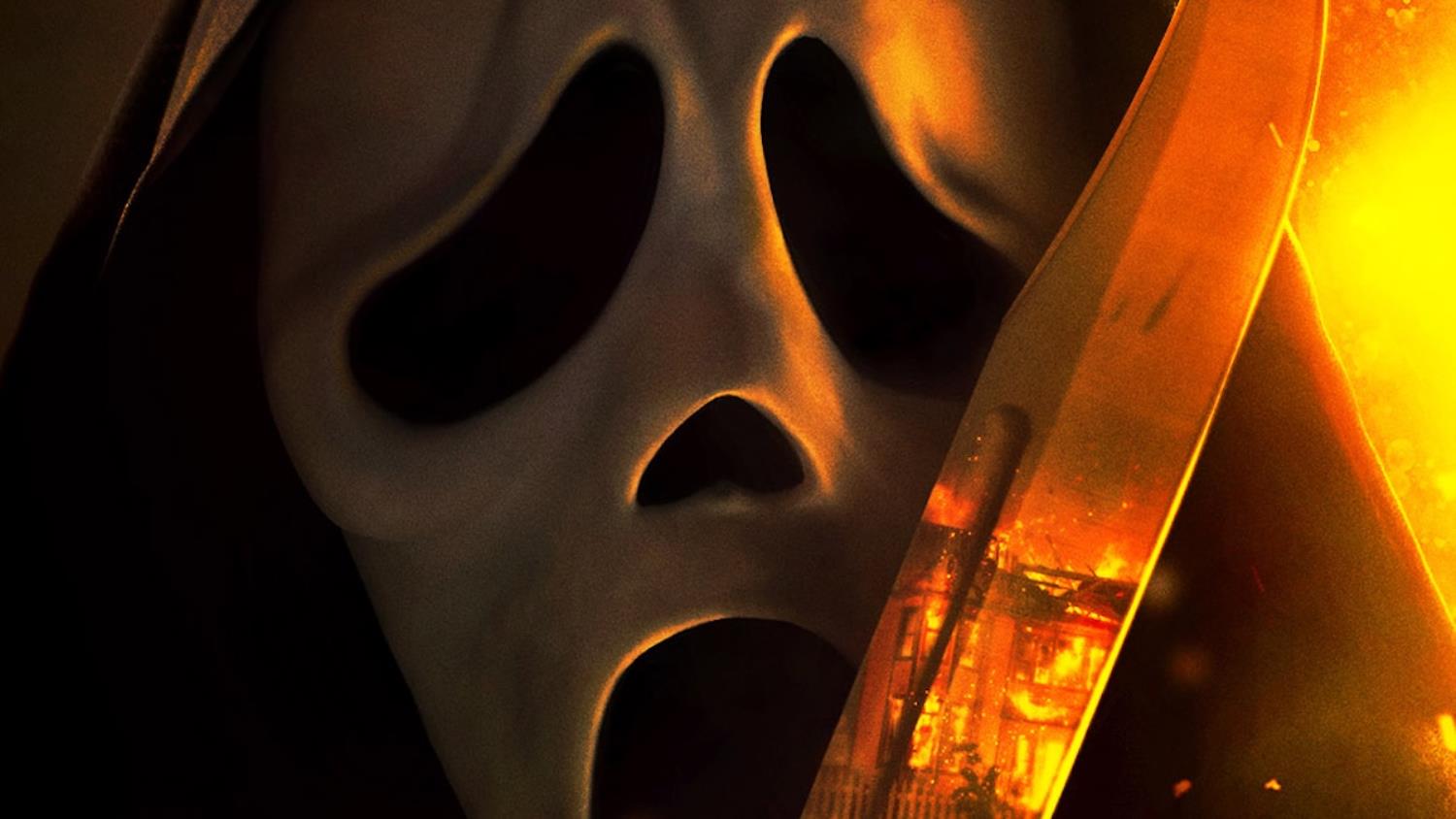

The cult horror saga returns to the big screen with Scream 7, promising to bring the spotlight back to the heart of classic fear. The film, the seventh chapter in the Scream universe, is set for release on February 27, 2026. After the mixed success of the latest installments, this new chapter aims to win back audiences with a tone more faithful to Wes Craven's spirit—full of tension, mystery, and sharp irony.
The first sign of this new era came with the reveal of the official logo, a clean visual mark that reintroduces the number 7 directly into the title. Alongside the logo came the release date, February 27, 2026, confirming a relaunch strategy that bets on well-measured nostalgia and strong narrative quality.
The most striking news is the return of Neve Campbell as Sidney Prescott, the face and soul of the saga since 1996. After a partial absence from the most recent chapters, Sidney returns to center stage, joined once again by Courteney Cox as Gale Weathers and David Arquette as Dewey Riley. Their comeback creates an emotional bridge to the past and restores the series' coherence that fans had long demanded.
The production process was not without obstacles. Jenna Ortega left the project for creative reasons and scheduling conflicts, while the originally planned director, Christopher Landon, stepped down after severe online threats linked to the controversy surrounding actress Melissa Barrera. Now at the helm is Kevin Williamson, original screenwriter of the first Scream, a choice that brings the saga back under the creative mind that knows its essence better than anyone else.
According to Neve Campbell, Scream 7 aims to return to Wes Craven's roots, favoring psychological suspense and mystery over excessive bloodshed. The stated goal is to rekindle that sense of uncertainty that made the 1996 debut a small masterpiece of the genre: who is behind the mask, who will be the next victim, what is real and what is staged.
The official plot remains shrouded in secrecy, but early hints suggest Sidney has built a new life in an apparently quiet town. The nightmare begins again when a new Ghostface emerges and targets Tatum, Sidney's daughter played by Isabel May. The mother-daughter dynamic introduces a new emotional layer, shifting the focus from pure survival to protecting a new generation. The tagline Fear is hereditary sums up the project's core: terror doesn't end—it is passed on.
Filming began in January 2025 in Atlanta, with Spyglass Media Group and Paramount Pictures leading production. The screenplay, penned by Guy Busick and Kevin Williamson, promises a tighter structure, a pace closer to psychological thrillers, and a darker, more realistic aesthetic compared to the recent chapters' hyper-stylization.
From a franchise perspective, a February release is a smart move: a less crowded field for major horror titles, giving Scream 7 the chance to dominate the early-year box office. At the same time, the window allows for a promotional campaign that plays on nostalgia while gradually revealing new twists.
For fans of the saga, there are plenty of reasons to be excited. The return of Sidney and other classic characters, the arrival of a new generation, a direction focused on suspense, and the promise of a story that brings back the taste for investigation and metacinematic games. Scream, after all, has always worked best when it puts the audience in the detective's shoes, forcing them to look twice at every detail to figure out who is lying and who is at risk.
The question mark remains over the new Ghostface, who must leave a mark as memorable as his predecessors. The mask is the same, but the motives change with each chapter: revenge, fame, true crime cult, pop mythology. The seventh film will need to find a contemporary and believable narrative drive, able to speak to an audience raised on social media and the idea that behind every tragedy lies a fanbase ready to turn it into spectacle.
In conclusion, Scream 7 appears to be a return to its roots with a mature perspective. After years of wavering between reboots, sequels, and conflicting directions, the saga seems determined to refocus on what made it unique: clockwork mystery, ironic reflection on genre codes, and fear that grows through restraint. If the promise is kept, the February 27, 2026 date could mark a new beginning for Ghostface and for all of us who, for nearly thirty years, have kept asking in the darkness of the theater: who's on the other end of the line?
Comments