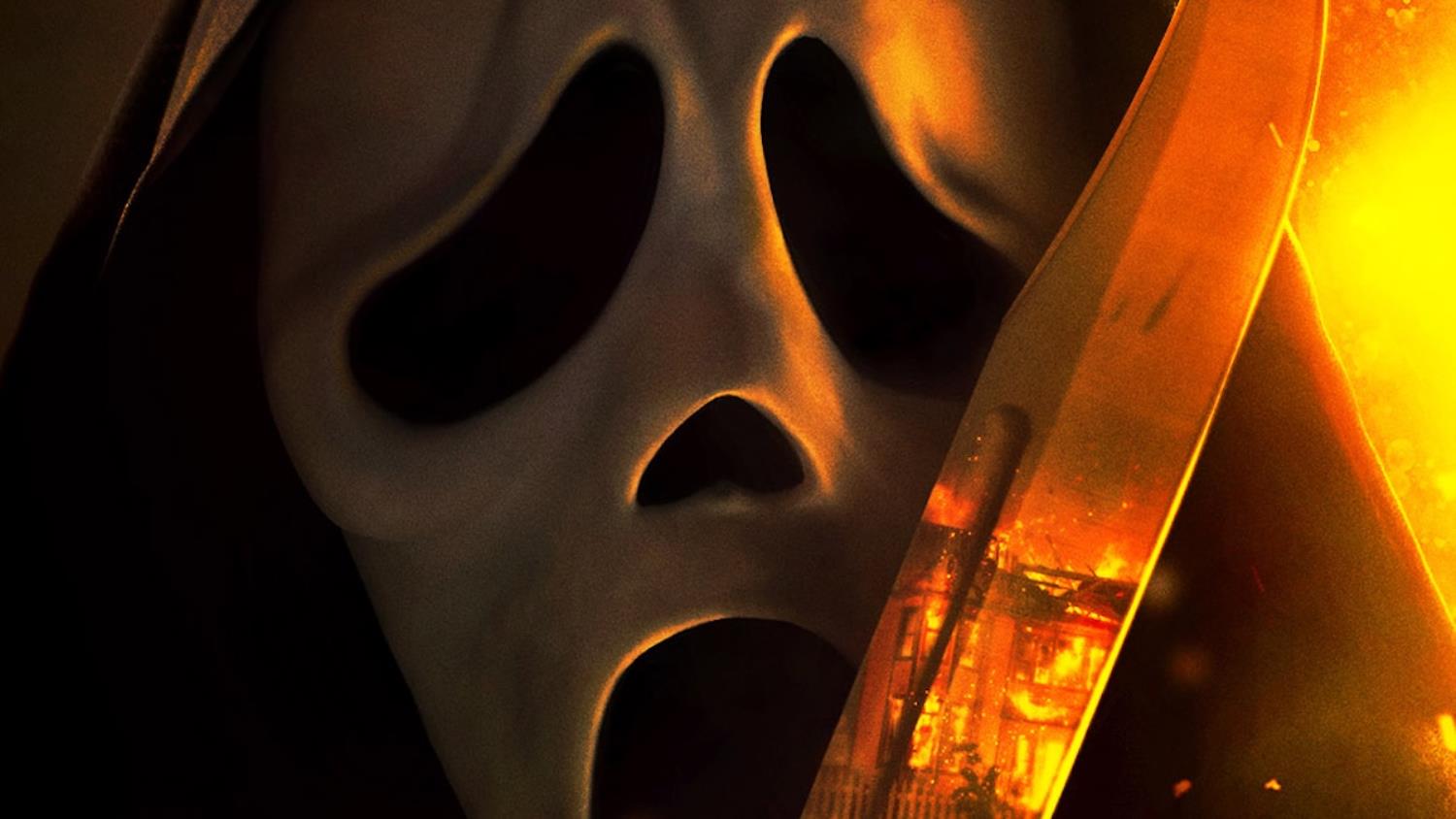

















Scream 7 backdrop
Scream 7 poster

SCREAM 7

2026 US HMDB
febbraio 25, 2026

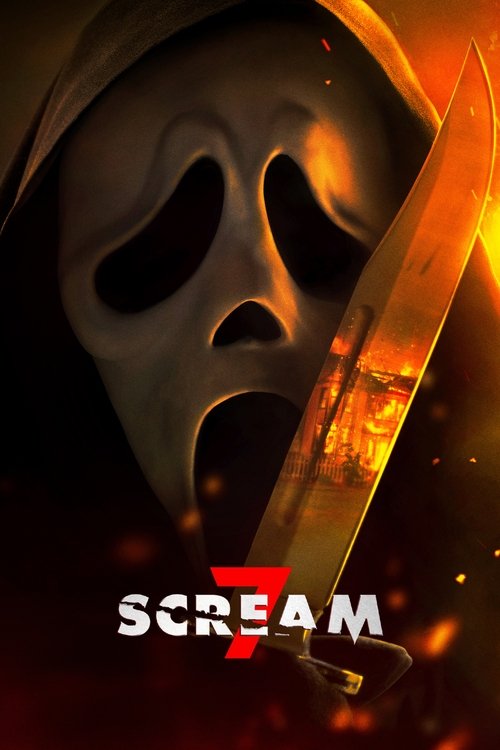
Quando un nuovo assassino mascherato da Ghostface semina il terrore nella tranquilla cittadina dove Sidney Prescott (Neve Campbell) ha ricostruito la sua vita, i suoi incubi più profondi diventano realtà: la prossima vittima designata è sua figlia (Isabel May). Decisa a proteggere ciò che ama, Sidney dovrà riaprire le porte del suo passato e affrontare, una volta per tutte, l’orrore che pensava di aver lasciato alle spalle.

Cast

Commenti

Troupe

Produzione: Paul Neinstein (Producer)Cathy Konrad (Executive Producer)William Sherak (Producer)Marianne Maddalena (Executive Producer)Gary Barber (Executive Producer)Kevin Williamson (Executive Producer)Peter Oillataguerre (Executive Producer)Ron Lynch (Executive Producer)Neve Campbell (Executive Producer)Courteney Cox (Executive Producer)Matt Bettinelli-Olpin (Executive Producer)Chad Villella (Executive Producer)Tyler Gillett (Executive Producer)Chris Stone (Executive Producer)Ben Ormand (Executive Producer)Ben Fast (Executive Producer)
Sceneggiatura: Guy Busick (Screenplay)James Vanderbilt (Story)
Musica: Marco Beltrami (Original Music Composer)
Fotografia: Tim Ives (Director of Photography)Ramsey Nickell (Director of Photography)

RECENSIONI (1)

Roberto Giacomelli

Sono passati 30 anni da quando la studentessa Casey Becker rispose al telefono innescando la follia omicida dei Ghostface. Era il 1996, infatti, e Scream usciva al cinema rivoluzionando il modo di intendere il cinema horror-slasher, anche se in Italia avremmo dovuto aspettare metà 1997, quando il day-to-date delle uscite cinematografiche era per noi ancora un lontano traguardo da raggiungere. Quella di Wes Craven è un’opera che ridefiniva radicalmente l’approccio al cinema horror, con presa di consapevolezza e una buona componente di (auto)ironia. Quasi un saggio critico su pellicola che lavorava su più livelli, lasciando comunque alla base una storia coinvolgente, personaggi ben caratterizzati e alcuni momenti da brivido che sono rimasti scolpiti nell’immaginario collettivo. Scream è oggi, giustamente, considerato un capolavoro, una di quelle opere sparti-acque che prevedono un prima e un dopo, e come spesso accade in questi casi, quando anche la risposta del pubblico è positiva, la serializzazione aspetta dietro l’angolo. Ma con la saga di Scream, soprattutto per il suo valore metacinematografico, la stessa esistenza di uno stuolo di sequel ha alimentato il suo lavoro metafilmico, continuando l’analisi del genere, carpendone le sfaccettature e i trend che il mercato stesso cavalca. Questo ha fatto sì che il livello qualitativo generale della saga rimanesse sempre piuttosto alto, con capitoli coerentemente legati tra loro, seguendo la crescita – non solo d’età anagrafica – dei personaggi, degli spettatori e del mercato cinematografico horror. E così siamo arrivati a Scream 7, trent’anni precisi dopo quel primo urlo, e con una reinvenzione del franchise che aveva però portato ad allontanare il focus dai personaggi storici per dare spazio a una nuova generazione. Eppure, il fatto che la Sidney Prescott di Neve Campbell non fosse presente nel sesto film a qualcuno è sembrato un vero e proprio tradimento d’intenti: lei, la final girl più rappresentativa degli anni ’90, la scream queen onoraria dell’ultima decade del secolo che mette da parte il ruolo di vittima designata per affondare il coltello della sopravvissuta nella carne del mostro. Sidney non può mollare, Sidney non può vivere “tranquillamente” la sua maturità da moglie e madre. Sidney deve tornare! E così, dopo il requel, il legacy sequel, rieccoci al punto di partenza: Sidney Prescott, oggi Sidney Evans, contro Ghostface. Di nuovo. Trasferitasi a Pine Grove, dove gestisce una caffetteria, Sidney ha sposato lo sceriffo locale Mark Evans e ha avuto da lui tre figlie, la maggiore della quali, l’adolescente Tatum, ha con lei un rapporto decisamente conflittuale, da vera ribelle. Quando il telefono di Sidney squilla, sul display compare un numero anonimo, e la voce cavernosa di Ghostface la minaccia per l’ennesima volta: per la donna si riapre una ferita che pensava ormai rimarginata per sempre. Qualcuno l’ha trovata e la vuole riportare al centro dell’attenzione, minacciando in primis la sua famiglia, soprattutto Tatum. Qualcuno che sembra conoscerla molto bene. Dopo l’uscita di scena del regista designato Christopher Landon, che ha fatto seguito al discutibile licenziamento di Melissa Barrera e all’auto-allontanamento anche di Jenna Ortega, i piani iniziali per Scream 7 sono radicalmente cambiati con l’esigenza di riscrivere da capo la sceneggiatura, stravolgendo il soggetto. E così si è optato per un vero e proprio ritorno alle origini, con l’entrata in scena di Kevin Williamson come regista. Williamson, proprio il creatore della saga negli anni ’90 insieme a Wes Craven, l’uomo che scrisse la sceneggiatura del primo mitico film e del secondo e quarto capitolo, ma anche sceneggiatore di So cosa hai fatto, The Faculty, Cursed, regista del piccolo cult oggi dimenticato Killing Mrs. Tingle, e creatore di quel fenomeno generazionale che risponde al titolo di Dawson’s Creek. Insomma, l’uomo giusto per riportare al centro della storia Sidney Prescott, la final girl originale. Scream 7 si apre con una (bellissima) sequenza ambientata nella casa di Stu Macher, uno dei due killer del primo film – ripresa anche in Scream 3 (ricostruita in un set cinematografico) e teatro della mattanza finale in Scream 5 – qui adibita a stiloso bed & breakfast esperienziale per amanti del true crime. Un’apertura che sembra voler essere una dichiarazione d’intenti: la distruzione del passato, dato letteralmente alle fiamme, la negazione stessa dell’effetto nostalgia. Un paradosso, visto che un’istante dopo riviviamo, come in un remake filologico, una delle scene iconiche del primo Scream: stessa musica, stesse inquadrature, stessi dialoghi. Non vi nego che un brivido mi ha attraversato la schiena. E poi entra in scena lei, una splendida Neve Campbell, ovvero Sidney Prescott, che pensavamo ormai libera di godersi tranquillamente la “pensione”. Ma come Jamie Lee Curtis, aka Laurie Strode, ci insegna, una final girl lo è per sempre. Ed è proprio su questo ruolo che Scream 7 riflette, perché abbandona il suo valore esplicitamente cinefilo (relegato alla sequenza inziale e a qualche battuta di Mindy Meeks-Martin) e ne guadagna uno implicitamente metacinematografico. Il focus di tutta la storia è proprio Sidney Prescott, ma non la ex-ragazza di Woodsboro sopravvissuta più volte a un massacro che cerca di rifarsi una vita, quello è un dettaglio puramente narrativo. Piuttosto parliamo di Sidney come archetipo, il modello primordiale da cui partire per arrivare allo stereotipo. Quando nel 1992 Carol Jeanne Clover coniava il termine “final girl” nel libro Men, Women, and Chain Saws: Gender in the Modern Horror Film aveva inconsapevolmente in mente proprio Sidney Prescott, che non è altro che l’evoluzione delle varie Sally, Laurie, Alice, Nancy. Sidney è la ridefinizione stessa dell’archetipo, è la prima final girl da quando questo termine fa parte della cultura di massa. In Scream 7 la riflessione si fa decisamente più sottile che in passato e Williamson gioca su almeno due livelli: quello più metaforico, che poi è parte integrante del franchise stesso, e quello di superficie. Il primo, quello “meta”, è di una finezza e coerenza da inchino, ma richiede una predisposizione dello spettatore all’analisi; il secondo non gli è all’altezza, pur mostrando una dignità che molti altri sequel e franchise possono invidiargli. Concentriamoci, ora, sul livello più superficiale, ovvero la storia e il giallo che costruisce. Scream 7, per certi aspetti, è un thriller/giallo molto classico, ma nel senso post-moderno del termine (passatemi il paradosso ossimorico). Ovvero non costruisce un whodunit alla Agatha Chirstie, non c’è un Poirot a cercare la logica nelle azioni dei personaggi, ma c’è piuttosto quella sfacciataggine di certo giallo all’italiana degli anni ’70, dove la suggestione e il plot twist avevo il sopravvento su tutto il resto. In questo differisce anche dagli Scream precedenti, soprattutto nello svelamento dell’identità di Ghostface. E se vi fermate solo alla superfice del film, questa scelta, il movente in particolare, potrebbe anche deludervi proprio perché richiede la sovrapposizione a quel livello più meta-narrativo di cui si parlava sopra. In fin dei conti, lo dicono proprio nel film che la soluzione più “semplice” sarebbe stata l’ammissione della resa. Insomma, Williamson e il co-sceneggiatore Guy Busick hanno imbastito un’opera molto più elaborata di quanto possa apparentemente apparire. Parliamo dei personaggi. Sidney Prescott, Gale Weathers e i fratelli Chad e Mindy li conosciamo già, poi ci sono una serie di cammei di personaggi storici (morti), ma non vi sveliamo il “come” e il “perché”; infine abbiamo le new entries. Per lo più inserite per alimentare il parco “vittime” e “sospettati” (tra loro anche i volti noti di McKenna Grace, Asa German e Joel McHale) ad eccezione di Tatum, la figlia di Sidney interpretata da Isabel May, potenziale vittima, potenziale carnefice, ma soprattutto figlia, appunto. Tatum è la nuova generazione direttamente collegata alla precedente, ma non come lo sono state Jill Roberts in Scream 4 o Sam Carpenter in Scream 5 e 6. Il conflitto generazionale è quello che può esserci realisticamente tra una figlia e una madre, dove la seconda vuole infrangere le ferree regole della prima per il semplice gusto di farlo, proprio perché sono regole. Ma Tatum non è solo un’adolescente ribelle, è anche una ragazza che sente troppa distanza dalla genitrice, le manca la complicità che potrebbe avere con una madre: molto banalmente, le manca il racconto dell’adolescenza di sua madre. Perché, come dice Sidney, il suo passato lo conoscono tutti grazie a film e libri, ma lei tende a negarlo, vorrebbe dimenticare il trauma, un trauma che invece può essere paradossalmente utile proprio a sua figlia per affrontare il presente, la sua adolescenza. È molto bello e profondo il rapporto che hanno creato tra Sidney e Tatum e infatti il film stesso ci punta, giustamente, tantissimo portando avanti un discorso sull’eredità strettamente legato a tutto il discorso “meta” affrontato dal film. Last but not least, Ghostface. In Scream 7 vediamo un Ghostface particolarmente sadico, che si esibisce in agguati, inseguimenti, combattimenti dall’anima chiaramente action, ma quando architetta gli omicidi ci va pesantissimo, fino ad arrivare al culmine di un’uccisione che sembra eseguita direttamente da Jason Voorhees in un capitolo di Venerdì 13, tanto è brutale e votata al sensazionalismo. Quando vedrete, capirete. Quindi Kevin Williamson ha fatto sicuramente un buon lavoro, soprattutto giocando con i livelli di lettura di Scream 7, evitando con grande abilità tutti quei trabocchetti che questo capitolo avrebbe potuto offrire su un vassoio d’argento, anzi, in un paio di occasioni riesce perfino a farci dell’ironia. E arrivati al capitolo 7 di una saga così amata non era affatto scontato tenere alta la qualità, perfino saghe horror storiche, a cui Scream dichiaratamente si ispira, non sono arrivate “integre” a questo numero dopo il titolo.

Commenti

NEWS CORRELATE (2)

RECENSIONI DALLA COMMUNITY (6)

Manuel São Bento

3 /10

Full review: https://movieswetextedabout.com/scream-7-movie-review-the-disheartening-reality-of-a-sagas-first-true-failure/

Rating: D+

"Scream 7 reveals itself as a disappointing sequel in a saga that has never failed so evidently, demonstrating a glaring creative exhaustion. It’s an exercise in nostalgia that, by trying to criticize the dependency on the past through AI, ends up becoming a victim of its own lack of vision and originality. When the mask falls and the motives are revealed, what remains is only the image of a franchise that seems to be fighting against its own obsolescence without knowing how to truly reinvent itself. Without its ability to satirize the real world and shock through genuine creativity, this seventh chapter gets lost in its own references, forgetting that for a story to stay alive, it’s not enough to just replicate the echoes of what came before."

JPV852

JPV852

3 /10

By far the worst in the series and shockingly lazy, though I guess some of the kills were at least okay. But everything else was trash, I get that Neve Campbell and Courtney Cox (both served as executive producers) were there for the paycheck, and that's fine but you can see it on screen. Also, the inclusion of Mindy and Chad was utterly pointless and they looked like they didn't want to be there (wondering if they were contractually obligated); they weren't all that great characters to begin with and added absolutely nothing to the movie.

For her part Isabel May was fine as Sidney's daughter and Joel McHale had some okay I guess but, and this goes to the laziness, it was obvious they made basically no changes to the script when Patrick Dempsey (wisely) turned the role down.

But perhaps the most shocking thing is how bad the script was. Sure, Kevin Williamson was never an amazing writer save for the 1996 original Scream, but I thought the dialogue was so bad and the ultimate reveal was so dumb, with one being patently obvious and the other just laughable especially with the reveal of the haphazard motives.

Before this, it was a tie between Scream 3 and Scream 6 of the worst in the series, but this one puts both to shame. No amount of nostalgia could save this. I have absolutely zero desire to see it again and hope they just let the franchise die. 1.75/5

GenerationofSwine

GenerationofSwine

10 /10

Yeah, yeah, yeah, you're supposed to hate this because the left is boycotting it for.... reasons that make no real sense, but that's sort of the drill isn't it? If it ain't woke, review bomb it.

And, to some extent the hate is a bit justified, it's not much better than Scream 3, but it's not as bad as Scream VI which, let's be honest, was yet another political lecture pretending to be entertainment. And that lack of politics in 7, that is probably the cause of the hate and the boycott.

And it being about as good as Scream 3, well, when Scream 3 came out it SUCKED. But it's 2026, and in 2026 a movie like that is actually pretty pretty good in comparison to the absolute preachy lecturing gutter trash that has been nearly every movie for the past decade in a half.

So what do you get? A pretty basic by the numbers horror movie with a twist you see coming like most every other pretty basic by the numbers horror movie. But you just get a horror movie, and it's just made to entertain. And in the era of politically partisan shreiking in absolutely everything, that is sort of a breath of fresh air.

FinixFighter

6 /10

Too splatter in my opinion. The suspense level is quite good but the ending has been quite disappointing to me. It could have been much better.

CinemaSerf

CinemaSerf

6 /10

I had very low expectations for this, so maybe that’s why at times I was surprised to find it was quite good. Scary? Well no, not really, and of course “Ghostface” has all the nimble dexterity and immortality features of a baddie from a “Scooby Do” cartoon so you can guess that there are at least two of them operating in cahoots. Given that was all going to be pre-programmed from the start, I thought Kevin Williamson did just a little better than anticipated with this. The new target for our Munchian terror is “Tatum” (Isabel May), the teenage daughter of the now battle-hardened “Sidney” (Neve Campbell) and her police chief husband “Mark” (Joel McHale). “Sidney” gets a series of threatening video calls from “Stu Macher” (Matthew Lillard) promising vengeance on her and her family. Isn’t he meant to be dead? Well regardless, soon the body count is starting to mount up and nobody knows just who they can trust. From here on in the wheels don’t so much come off as follow an increasingly preposterous plot line that once again reminds me that if you are the boy(friend) in any of these movies, then you have no more chance of survival than the men in the red shirts did in an edition of “Star Trek”. “Gale” (Courtney Cox) shows up to offer an helping hand and some luring airtime, but adds little as we head to a denouement that is based on the least likely candidate from the few left standing as the entire town smoulders in it’s own wreckage. These films deliver what they say on the can, and if you approach this in the spirit of been there and seen that, then this is no worse than the average production-line horror enterprises that Blumhouse churn out each month and I think you can safely assume that there will be a “Scream Ate”.

RetroWill

5 /10

As someone whose obsession with horror began with the 1996 original, reviewing a Scream film feels like critiquing a part of my own history. It is, and likely always will be, my favourite horror franchise. But love requires honesty, and the truth is that Scream 7 is a pale imitation of the sharp, subversive slasher that defined a generation.

While Neve Campbell and Isabel May bring a grounded sincerity to the screen, the film around them feels fundamentally lost. The "meta" commentary, once the serie's greatest weapon, has become its Achille's heel, resulting in a narrative that feels more like a cynical digital experiment than a cinematic event. This is most apparent in the legacy cameos. While the "flatness" of these performances was clearly an intentional creative choice to sell the narrative, the result is a jarring lack of cinematic presence. It is a paradox where the actors deliver exactly what was asked of them - an imitation of life - but in doing so, the film robs these icons of their emotional weight, leaving them as hollow digital inserts rather than the homecoming events they should have been.

The treatment of the supporting cast is equally cynical. Gale Weathers presence feels entirely "phoned in", serving as little more than perfunctory fan service, while characters like Chad and Mindy are pulled back into the fray with nothing meaningful to do. They feel less like franchise survivors and more like targets being kept on life support simply for future instalments. There is a noticeable lack of emotional continuity here; having survived such equally immense trauma, the twins are reduced to "smiles, sunshine and comic relief" rather than being allowed any real reflection on their own losses. While perhaps not essential for a slasher, the film suffers from a lack of respectful nods to the wider surviving cast - the sudden absence of Sam, Tara, and Kirby for example is left as a jarring void that makes the world feel smaller and less lived-in.

Most frustrating is the film’s aggressive attempt to outrun its own shadow. In a move designed to spite long-standing fan theories, the narrative effectively torches the series most iconic location, severing the link to the Macher house and Woodsboro in a way that feels more spiteful than symbolic. In destroying its past, the film inadvertently destroys its soul, removing the very anchor that gave the franchise its gravity.

The greatest disappointment though lies in the movies lack of weight. A Scream movie is only as good as the shadow the killer casts, and this instalment offers nothing but hollow, "pound store" antagonists whose motives lack any tangible connection to the legacy they’re trying to dismantle.

Kevin Williamson’s return should have been a homecoming; instead, it feels like a total departure from the gritty, high-stakes tension of the original trilogy. While it remains an entertaining watch for the sake of the brand, the spark is gone. Wes would be disappointed.

If the franchise is to survive, it needs to stop looking at screens and start looking at its soul. It’s time for one final, explosive showdown to close the book - for Sidney’s sake, and for ours.

TL; DR: A soul-crushing departure from the franchise's roots that trades cinematic tension for digital gimmicks and "pound store" killers. Neve Campbell shines, but even she can’t save a script that treats legacy characters like disposable marketing tools.

Final Grade: C- (2.5/5 Stars)

Recensioni fornite da TMDB