

5 Psychological Horror Films That Get Under Your Skin in 2025

There was a time when horror just wanted to scare you. Then it started having something to say. In 2025, it took things further: it started to linger with you. The year's most compelling films no longer rely on cheap jump scares, but on a slow, persistent, almost organic sense of unease. We're witnessing the rise of psychological-identity horror: stories where the monster isn't lurking off-screen, but lives in your mind, your body, your relationships, in memories you can't quite digest. These five films capture this shift better than most—a more intimate, visceral kind of horror that's decidedly harder to shake off.
-
Hunger, identity, and blood that won’t wash away
Sinners (2025)“Sinners” is one of those films that hooks you with the language of genre, then hits you where you don’t expect it. Yes, there are vampires, blood, and nights that seem endless. But the real hunger here isn’t in the teeth it’s for power, belonging, recognition. The vampire becomes a symbol, without ever losing its primal force.
Coogler builds a world where the line between predator and prey grows thinner and thinner, almost meaningless. The blood flows, but it cleanses nothing; if anything, it only confirms a system that’s already rotten. It’s horror that entertains, sure but underneath, it works like a slow infection. You finish the film and realize the monster wasn’t the exception it was the rule.
-
Pain Doesn't Fade, It Changes Shape
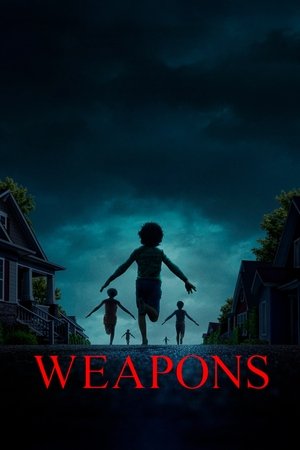
Weapons (2025)"Weapons" is a film that takes its time. It creeps up on you slowly, like those nights when nothing seems to happen… until you realize something is deeply wrong. Cregger takes grief and transforms it into an environment, a presence that warps everything around it: spaces, relationships, even time itself.
There are no emotional shortcuts. Pain isn't explained or resolved—it's left there to fester. And as the film progresses, it becomes increasingly clear that this isn't about "getting over" something, but about learning to live with it—badly. The horror here is quiet, but relentless. It doesn't jump at you; it stalks you.
-
The Thing Inside You Is Hungry (And Never Stops)
Vicious (2025)"Vicious" starts with a simple premise and follows it through without compromise: what if anxiety were something real, physical, inevitable? Not a concept, but a presence. Something that grows, that consumes, that waits.
Bertino sidesteps vague symbolism and takes the most direct route: making discomfort tangible. The film's curse isn't a mystery to solve, but a burden to carry. And that's precisely what makes it unsettling. There's no release, no catharsis, only the realization that certain things don't go away. They change shape, hide better... but they remain.
-
Intimacy as Haunted Ground
Keeper (2025)"Keeper" taps into an underrated fear: the kind that festers in our closest relationships. You don't need doors slamming on their own or shadows creeping down hallways just a crack, a hairline gap that keeps widening.
Perkins works through detail, physicality, and silences that speak louder than words. Love here isn't redemption but ambiguous terrain, where closeness becomes intrusion and trust something fragile, almost dangerous. The horror builds slowly, seeping in, and above all, it feels achingly familiar. That's precisely what makes it impossible to shake.
-
When the Mind Becomes a Trap with No Way Out
Rabbit Trap (2025)"Rabbit Trap" is a journey through a space that feels real, yet never quite is. It starts with physical isolation, almost tangible, and transforms it into something psychological, fluid, unstable. The further the film progresses, the more you lose your bearings.
Chainey crafts a horror built on shifting perceptions, sounds that shouldn't exist, images that feel out of place even when they're perfectly ordinary. This isn't the kind of film that frightens you directly; it unsettles you. And that unease lingers, takes hold, works beneath the surface. As if the trap isn't in the film itself... but in how you begin to perceive things afterward.




Comments