








The Verdict
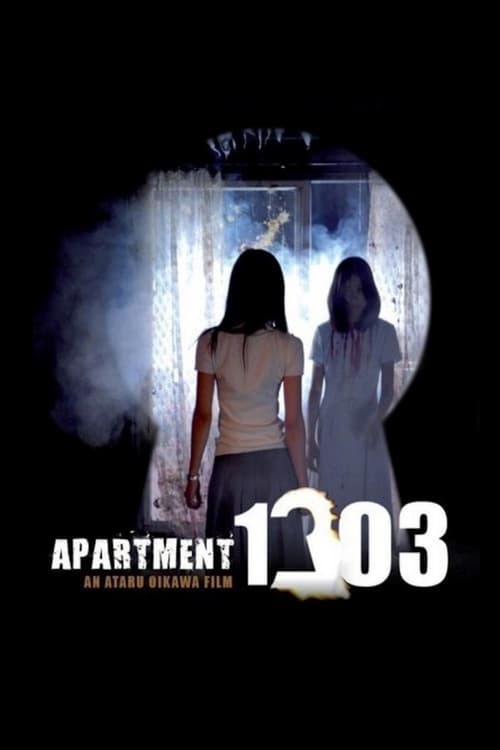
Apartment 1303 hides a terrible secret; anyone who has occupied it has committed suicide by throwing themselves from the balcony of the thirteenth floor. All young women, all without an apparent reason.
Apartment 1303 hides a terrible secret; anyone who has occupied it has committed suicide by throwing themselves from the balcony of the thirteenth floor. All young women, all without an apparent reason.
Mariko lost her sister in that apartment and after the funeral feels the unsettling presence that lingers there. The woman begins to investigate and uncovers the tragic events that occurred within those walls. The search for the truth will bring her into contact with terrifying visions and shocking truths.
Oriental horror is experiencing an extremely prolific moment in terms of creativity and distribution. There are many titles that crowd the home video circuit, produced with varying quality but always interesting and artistically surprising. The home video market represents for these realities an excellent stage considered for a niche audience. Part of the so-called "J-Horror" is "westernizing"
through too commercial operations that hybridize stories and characters, creating faded remakes that most of the time disappoint in part the casual viewer and totally the enthusiast. "Pulse", "The eye", are just a few examples of mediocre films, artistically and visually inferior to the originals.
"Apartment 1303", written by the author of "The Grudge", draws inspiration from the over-exploited vein of haunted houses. In this film, all the stereotypes of the genre are widely respected, a film that bases its effectiveness more on the atmosphere than on the excessive use of special effects.
The film is almost whispered, on the one hand this is a merit, but the claustrophobic setting reveals many weak points. The vengeful ghost, the fleeting appearances, the unsettling silences, a certain detached acting typical of Japanese products, here work halfway.
The introduction of an investigator who helps young Mariko in her investigations is an attempt to turn the film into a sort of thriller with a supernatural connotation, but the character remains in the background and at some moments, one almost forgets about him.
The part where Mariko investigates the history of the apartment and the sequence of strange suicides takes us away for a few minutes from the strange atmosphere that permeates the too bare rooms of the house, but it is not enough to shake off that sense of excessive stylistic self-satisfaction that the director displays and the only true emotions are felt in the emphatic ending that reminds too much of the excellent "Dark Water".
Comments
Comments (0)





Comments