






Il Verdetto
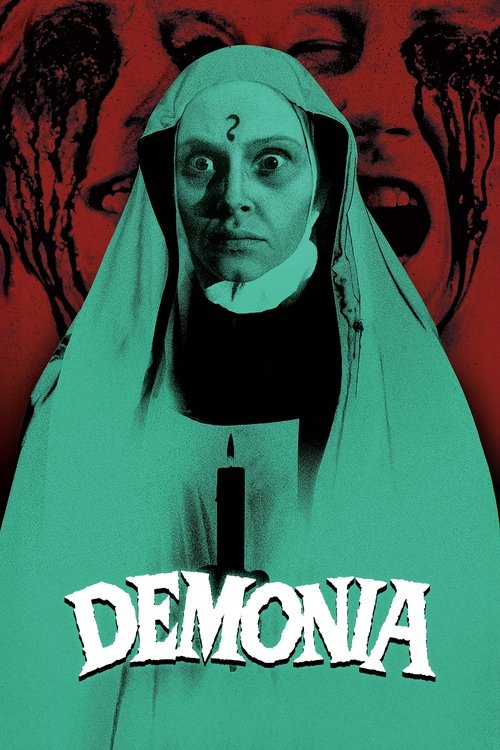
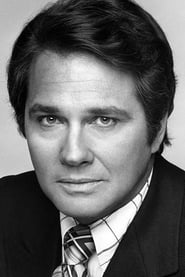
1486: nel paese siciliano di Santa Rosalia alcune suore, adoratrici del diavolo e dedite a pratiche blasfeme, vengono torturate e crocifisse dagli abitanti del luogo. Dopo 500 anni, una spedizione archeologica guidata dal professor Paul Evans (Brett Halsey) e dalla sua assistente Liza (Meg Register), arriva a Santa Rosalia per compiere degli scavi.
1486: nel paese siciliano di Santa Rosalia alcune suore, adoratrici del diavolo e dedite a pratiche blasfeme, vengono torturate e crocifisse dagli abitanti del luogo. Dopo 500 anni, una spedizione archeologica guidata dal professor Paul Evans (Brett Halsey) e dalla sua assistente Liza (Meg Register), arriva a Santa Rosalia per compiere degli scavi. Dopo il loro arrivo alcuni misteriosi omicidi turbano la pace della zona e l’ispettore Carter dell’Interpol (niente meno che Lucio Fulci!) viene incaricato di svolgere le indagini. Forse le suore demoniache sono riuscite a tornare dall’oltretomba per vendicarsi e spargere ancora terrore?
Invereconda bruttura che porta la firma di Lucio Fulci (un regista che ci aveva abituato a opere di ben altro spessore), “Demonia” aveva tutte le caratteristiche per essere un buon prodotto: una sceneggiatura intrigante, attori dignitosi come Brett Halsey e Meg Register, un budget adeguato e un’ambientazione originale e ricca di potenzialità. Purtroppo la realizzazione del film venne funestata da una serie di fattori che ne compromisero irreparabilmente il risultato finale. Senza contare che Fulci, seccato dalle continue difficoltà di lavorazione, abbandonò il film senza editarlo, lasciando che il montaggio definitivo venisse fatto (male) da altri. Tra i vari problemi che penalizzarono la pellicola si possono citare i dissapori col produttore (il quale secondo il regista non sganciò tutti i soldi promessi), alcuni mafiosi locali che obbligarono la produzione ad assumere certe manovalanze imposte da loro e, come ciliegina sulla torta, i pessimi rapporti con gli abitanti dei luoghi in cui si effettuarono le riprese. Accadde infatti che la popolazione locale, con parroco e vescovo in testa, non appena seppe che razza di pellicola si stava girando, iniziò a boicottarne i lavori (e in effetti non stupisce come il mondo ecclesiastico abbia trovato una puntina di blasfemia in un horror truculento che parla di suore torturate e crocifisse perché devote al maligno e con l’hobby delle orge…). In “Demonia” troviamo molte delle tematiche care a Fulci, il tutto però è cucito assieme piuttosto male e senza convinzione.
C’è una buona dose di momenti gore, come la sequenza dell’uomo diviso in due o la scena in cui una donna si accorge improvvisamente che il figlio è coperto di sangue, ma la loro realizzazione è pedestre. Questa pellicola è conosciuta più che altro per alcune perle di indiscutibile valore trash, come lo spettro di una suora che ammazza la gente col fucile subacqueo, un macellaio che viene assalito nel suo negozio da alcuni quarti di bue indemoniati o la sequenza in cui un donna viene sbranata dai suoi gatti, in un profluvio di teste finte e di poveri micetti scagliati rozzamente in aria.
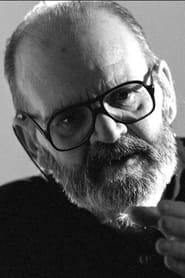
Senza contare che tutti gli attori sono doppiati, per cui ci troviamo di fronte ad un caratteristico paesello siciliano dove gli abitanti sembrano appena usciti da un corso teatrale di dizione. Questo piatto ricco viene offerto allo spettatore impreziosito da un montaggio fatto con gli occhi chiusi e una straordinaria fotografia, che a causa della sovraesposizione della pellicola ci regala indimenticabili sfocature, effetti flou e annebbiamenti rigorosamente involontari. In questo film Lucio Fulci recita quello che è considerato il suo cammeo più lungo (se si esclude “Un gatto nel cervello” di cui è protagonista), nei panni di un ispettore dell’Interpol: a dimostrazione che probabilmente, almeno all’inizio, questo progetto gli stava a cuore (anche se la domanda nasce spontanea: che c’azzecca la Polizia Internazionale con un paio di delitti avvenuti in uno sperduto paesino della Sicilia?). Avrete certamente capito che si sta parlando di un film profondamente sbagliato, la cui modesta fattura viene sciaguratamente sottolineata dalla mania auto-citazionista del regista. Infatti Fulci mette in mezzo a quella che è forse la sua opera peggiore, dei rimandi niente meno che a “L’Aldilà”: il suo film più riuscito e più amato dai fan. La protagonista di entrambi i film si chiama infatti Liza, i titoli di testa di “Demonia” e “L’Aldilà” sono avvolti dalle fiamme e la scena della tortura e crocifissione delle suore rimanda direttamente a quella del pittore Zweick. Accade così che chi coglie le citazioni può inavvertitamente mettersi a fare paragoni tra le due opere, e da questo confronto impari “Demonia” non può che uscirne con le ossa rotte, risultando ancora più brutto di quanto non sia già. Se volete avvicinarvi al cinema di Fulci, non iniziate da questo film.
Commenti
Commenti (0)

Commenti