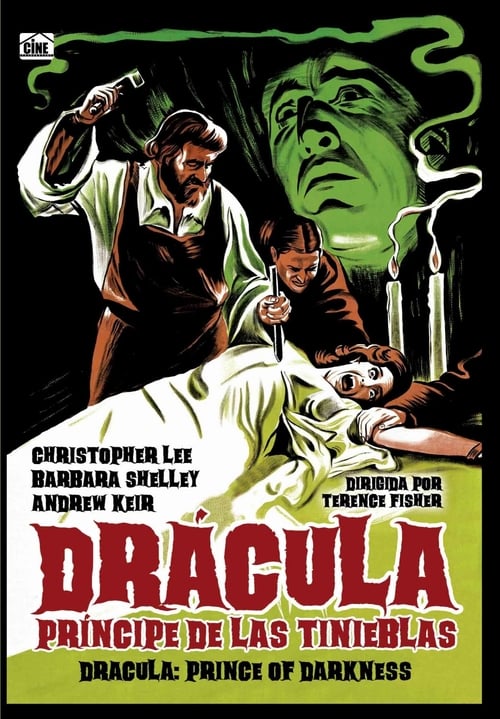
Lee returns as Dracula after an 8-year absence.
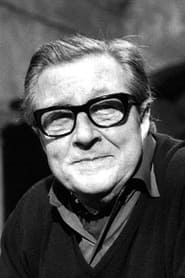
RELEASED IN 1966 and directed by Terence Fisher, “Dracula: Prince of Darkness” focuses on two English couples circa 1900 traveling the mysterious forests of Eastern Europe who are warned to stay away from a particular area that has an ominous castle. Fools that they are, they end up spending the night and the sinister Count is resurrected.
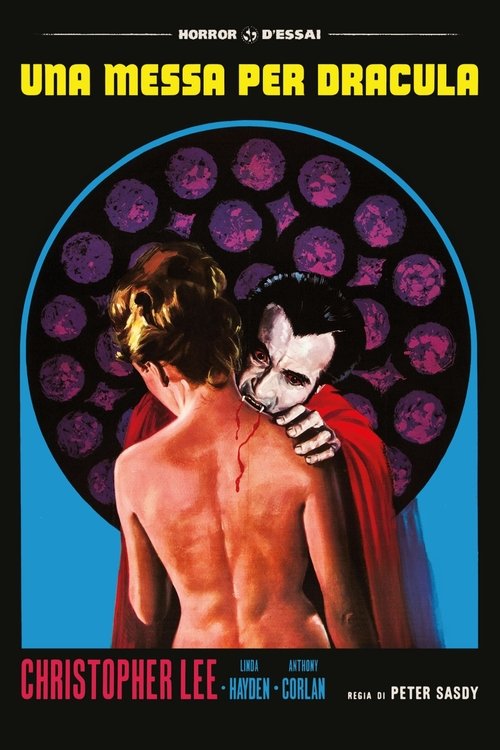
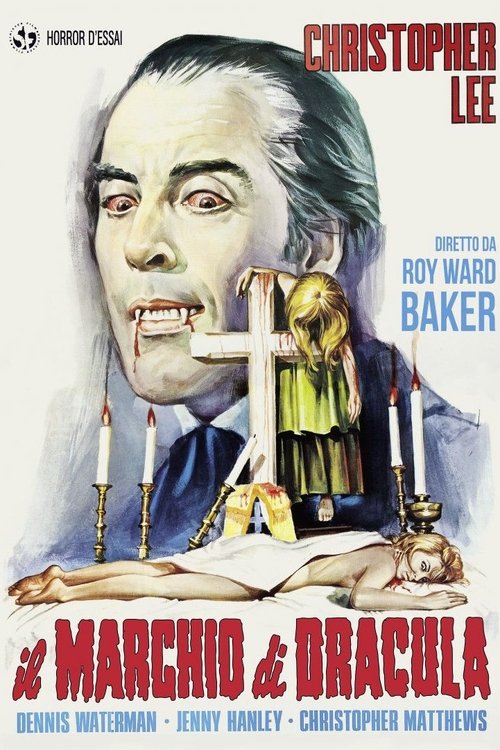
Hammer did nine Dracula films from 1958 to 1974:
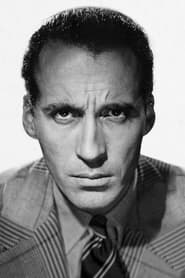
Horror of Dracula (1958); The Brides of Dracula (1960); Dracula: Prince of Darkness (1966); Dracula Has Risen from the Grave (1968); Taste the Blood of Dracula (1969); Scars of Dracula (1970); Dracula AD 1972 (1972); The Satanic Rites of Dracula (1973); and The Legend of the 7 Golden Vampires (1974). Christopher played the Count in every one of these except "The Brides of Dracula" and "The Legend of the 7 Golden Vampires." As such, "Dracula: Prince of Darkness" was Lee's return to the role after a long eight year absence.
Most Hammer fans praise the first film in the series from 1958, which was Lee's first gig as Dracula, and it is a solid entry with the typical Hammer highlights, like lush Gothic ambiance, bright colors, Lee & Cushing and bodacious women, not to mention Lee's diabolical interpretation of the Count and one of the most stunning horror scores by James Bernard. But the truncated story wasn't completely satisfactory and there were too many 50's limitations IMHO.
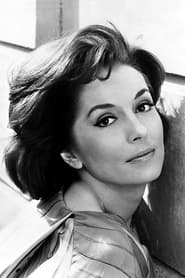
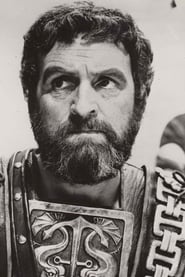
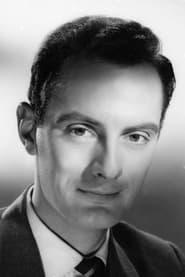
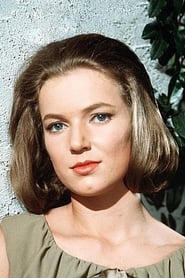
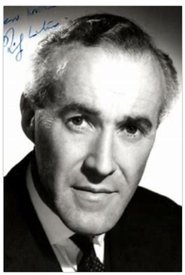
I prefer this sequel as it features all the Hammer hallmarks listed above, except Cushing. Some might complain about the slow first half, but I like the way the film takes its time and concentrates on the two couples, the spooky ambiance, and the build-up of suspense. Klove (Philip Latham) is a particularly creepy character with his courteous pretense. The way he resurrects the Count is a ghastly highlight. Interestingly, Lee doesn't have all that much screen time and not one line of dialogue, so he's basically a vampire bogeyman here. But the lush Gothic atmosphere is potent and the cast shines, especially Barbara Shelley as the doomed wife of a so-“cultured”-he's-stupid husband (Charles Tingwell). And Andrew Keir as Dracula's worthy antagonist, Father Sandor, a most formidable monk.
I also appreciated the elaboration on vampire lore by Sandor (Keir). One reviewer scoffed at the idea that the undead have to be willingly allowed into a person’s abode, but this fits the parallel of vampires to evil itself, which first affects a person’s mindset (ideology) and THEN their behavior or lifestyle. In short, evil cannot overtake a person unless s/he willingly allows it.
THE FILM RUNS 90 minutes and was shot in Buckinghamshire and Berkshire, England, (with, perhaps, some establishing shots from Romania, e.g. the mountains). WRITERS: Jimmy Sangster and Anthony Hinds. ADDITIONAL CAST: Francis Matthews & Suzan Farmer play the other couple.
GRADE: B





Comentarios