

The Verdict
Metzengerstein. The Countess of Metzengerstein, a greedy and spoiled woman, accidentally kills the cousin she was in love with.
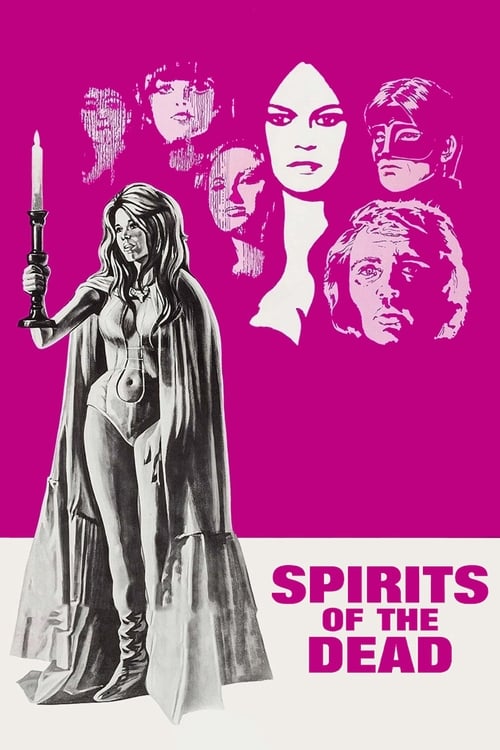
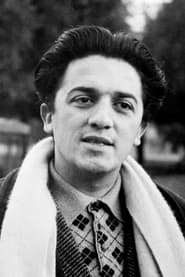
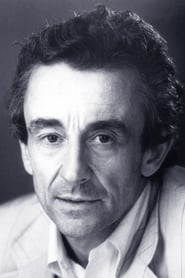
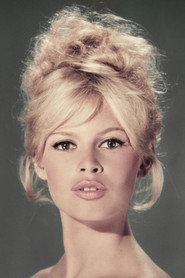
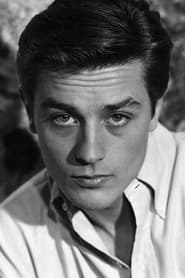
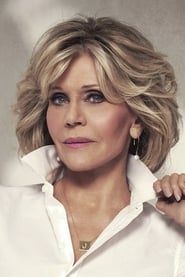
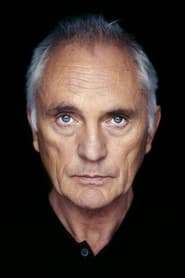
Metzengerstein. The Countess of Metzengerstein, a greedy and spoiled woman, accidentally kills the cousin she was in love with. The remorse for the action committed drives her to suicide, but suddenly a wild horse arrives at the castle that seems to have a particular understanding with only the countess. William Wilson. William Wilson distinguishes himself from a young age by his meanness and cruelty, but one day a child with the same name and the same physical appearance as William arrives at the college. Having become an officer in the German army, William continues to be pursued by the presence of his double who ruins all his projects. Toby Dammit. An English actor with alcohol problems goes to Rome to shoot a film. But from the airport he begins to have hallucinations, whose protagonist is a strange girl who plays with a ball. A film in episodes directed by three great European directors, inspired by three stories by Edgar Allan Poe. The three episodes are not linked by any common thread (unlike the majority of this type of films) and prove to be quite faithful to Poe's works, except for the Fellini episode, which, in addition to being set in 1967 Rome, also alters the plot, transforming the entire story into a metacinematographic discourse on the cultural industry of genres. This episode, based on "Non si scommette la testa con il diavolo", has great visual power, thanks above all to the suggestive photography of G. Rotunno, and manages to involve the viewer in the confusion and unease that populate the protagonist's mind, but unfortunately the narrative plot is too weak and the story seems almost a pretext for a simple exercise in style and for an easy Fellini criticism of popular cinema (Toby Dammit is offered a role in a religious-themed western, a clear mockery of the more commercial genres that Fellini had always avoided). The episode directed by Roger Vadim, "Metzengerstein", is based on the eponymous short story, but turns out to be the weakest of the three (after all, the short story from which it is based is one of the least inspired by the great American writer); it relies on the presence of Jane Fonda in the role of the countess and on attractive costumes that mix the medieval style with the fashion of the 1960s, but otherwise it is rather boring and inconclusive. The second episode, "William Wilson", directed by Louis Malle, is perhaps the most successful, both for narrative faithfulness to the eponymous story by Poe and for the diligence with which it has been carried out. The ambiguous story of the protagonist's real or simply inner torment (brilliantly played by Alain Delon) is rendered at its best and the reflection on the doppelganger becomes here at the same time disturbing and fascinating. In conclusion, "Three Steps in Delirium" is an operation only partially successful: from a project that united the stories of one of the greatest exponents of the literary horror landscape and three great directors of international fame, one would certainly have expected something more; instead, we are faced with three medium-length films ranging from the mediocre (Metzengerstein) to the good product (William Wilson), passing through the one from which the most was expected but which leaves a sense of incompleteness (Toby Dammit). It is evident that the entire operation was simply carried out on commission. A missed opportunity. Curiosity: in the episode directed by Fellini a blonde girl dressed in white who plays with a ball continuously appears, a figure clearly taken from the character of Melissa Graps, the ghost girl of the beautiful "Operazione paura" that Mario Bava had directed a year before. Fellini never admitted it, although his wife, Giulietta Masina, revealed the plagiarism years later.
Comments
Comments (0)

Comments