



El Veredicto
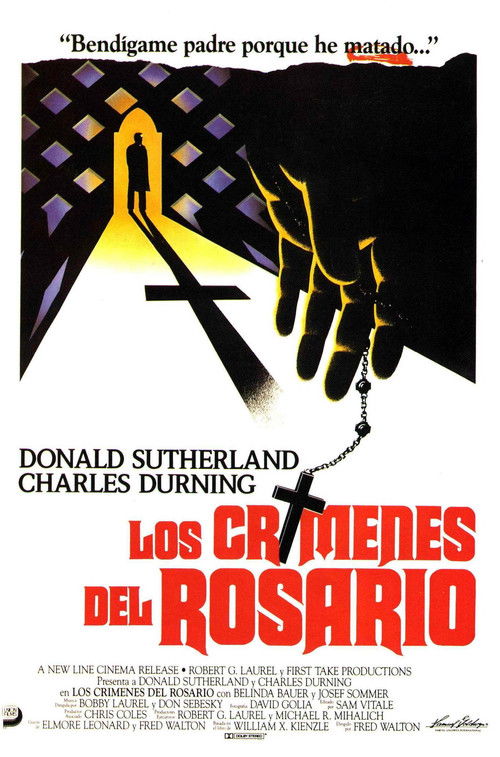
Un asesino en serie merodea por las calles de Detroit; sus blancos exclusivos son exponentes del ambiente eclesiástico. Mueren en orden: un anciano sacerdote enfermo, una joven monja que quería dejar la comunidad, un sacerdote en el confesionario…
Un asesino en serie merodea por las calles de Detroit; sus blancos exclusivos son exponentes del ambiente eclesiástico. Mueren en orden: un anciano sacerdote enfermo, una joven monja que quería dejar la comunidad, un sacerdote en el confesionario… todos encontrados con un rosario negro entre los dedos; hasta que el padre Koesler escucha la confesión de un hombre que le revela ser el asesino. Atormentado por el deber de guardar el secreto de confesión o revelar todo a la policía, el padre Koesler decide investigar por su cuenta, partiendo de un misterioso suicidio de una niña ocurrido algunos años antes y del cual el asesino había hecho mención en el confesionario.
Basado en la novela homónima de William Kienzle, Fred Walton pone en escena un thriller de rutina que no carece de puntos realmente interesantes para resolverse, luego, como un poco coherente y flojo gialletto televisivo. El problema fundamental de "Los crímenes del rosario" reside en la misma historia puesta en escena por Walton, a veces poco creíble, y en el guion (escrito por Elmore Leonard, autor, entre otras cosas, de la novela en la que se inspiró Tarantino para "Jackie Brown") que a veces muestra los límites de la historia misma narrada a través de una serie de obvios agujeros que se presentan principalmente en la parte final: se introducirán elementos que aparentemente son indispensables para la resolución del asunto, pero que luego serán completamente abandonados; veremos al protagonista llegar a conclusiones de manera totalmente artificial y poco creíble. Además, el propio asesino, aunque envuelto en el misterio sobre su identidad, será fácilmente intuible, debido al escaso número de personajes implicados en el asunto y la demasiado evidente pista que seguirá el protagonista; sin hablar luego del motivo detrás de la serie de asesinatos, completamente ilógico para la secuencia de eventos narrados.
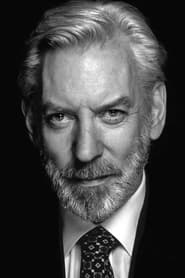
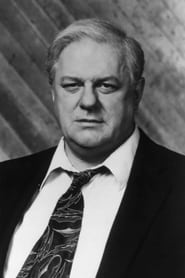
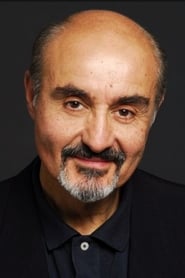
Por lo tanto, si se considera el aspecto narrativo de "Los crímenes del rosario" se quedará ampliamente decepcionado, no solo por los evidentes límites lógicos, sino también por un ritmo a veces muy lento, debido probablemente también al origen literario de este texto fílmico. Pero no todo está en la papelera en esta película; "Los crímenes del rosario", como se mencionó anteriormente, parte de algunos puntos de seguro interés y se beneficia de un entorno urbano efectivo y de gran impacto, capaz de encuadrar el mundo eclesiástico desde una perspectiva diferente e inusual. También el trabajo de profundización de los personajes resulta de calidad, luego valorado sin duda por el elenco comprometido en el proyecto, entre los que destaca, en el papel del protagonista, Donald Sutherland, enfrentándose al personaje de un sacerdote moderno, de amplias miras, perpetuamente indeciso si seguir su fe o su racionalidad humana. Los personajes de fondo son a veces funcionales, como en el caso del odioso padre Nabors (Charles Durning), a veces bien profundizados pero no particularmente funcionales para la economía de la historia, como en el caso de la periodista Jimenez (Anita Barone), otras veces esenciales para la historia pero no particularmente caracterizados, como sucede con el detective Harris (John Danelle).
La dirección de Fred Walton ("Cuando llama un desconocido"; "Jolly Killer") es sólida y profesional, a la que se le puede reconocer el seguro mérito de una buena dirección de los actores. El ritmo, en cambio, a menudo falla y se excluyen por completo escenas fuertes y de violencia, procediendo en la línea de la "película para todos".
En conclusión, "Los crímenes del rosario" es un giallo a veces cautivador, gracias a algunos puntos originales e interesantes, pero demasiado a menudo arruinado por agujeros en el guion y elecciones narrativas incoherentes, además de un ritmo demasiado lento. Vistos los nombres involucrados, se esperaba más.
Comentarios
Comentarios (0)

Comentarios