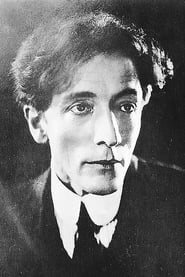
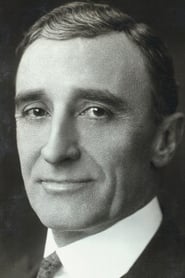
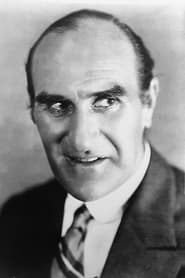
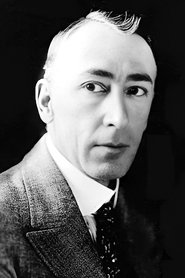
The Hunchback of Notre Dame backdrop
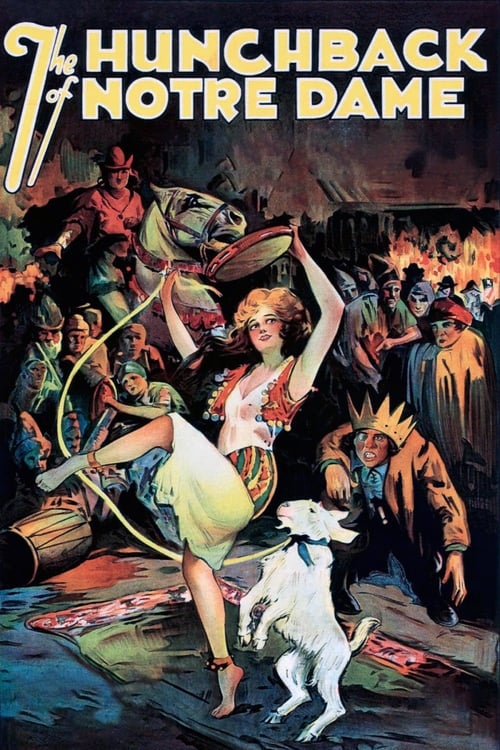
The Hunchback of Notre Dame poster

THE HUNCHBACK OF NOTRE DAME

1923 US HMDB
September 6, 1923

In 15th century France, a gypsy girl is framed for murder by the infatuated Chief Justice, and only the deformed bellringer of Notre Dame Cathedral can save her.

Cast

👍 👎 🔥 🧻 👑

Comments

Comments (0)

Crew

Production: Carl Laemmle (Producer)Irving Thalberg (Producer)
Screenplay: Chester L. Roberts (Writer)
Cinematography: Robert Newhard (Director of Photography)
Crew: Stephen S. Norton (Cinematography)Virgil Miller (Cinematography)Tony Kornman (Cinematography)Charles J. Stumar (Cinematography)

REVIEWS (1)

Marco Castellini
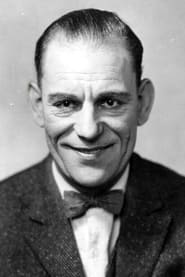
Lon Chaney, the man of a thousand faces, in one of his most successful performances, the deformed and unfortunate hunchback Quasimodo, who lives a life as a “ghost” hidden in the cathedral of Notre Dame. One of the most expensive productions of 1920s cinema, with monumental sets (the cathedral of Notre Dame entirely rebuilt in the studios) and cutting-edge means for the period, to the point that everything was “reused” for the 1939 version of “Notre Dame.” Certainly the most horrific (and for this reason the only one to appear reviewed on the site) and successful among the cinematic adaptations of the story of the hunchback Quasimodo.
👍 👎 🔥 🧻 👑

Comments

Comments (0)

COMMUNITY REVIEWS (1)

CinemaSerf

CinemaSerf

7 /10

I reckon that this has to be the saddest of all love stories ever written - in any language! Although top billing goes to the pathetically grotesque Lon Chaney as the bell-ringer "Quasimodo", I think the plaudits must go to Patsy Ruth Miller as the persecuted gypsy "Esmerelda" in this 1923 adaptation of Victor Hugo's story. The score is hauntingly effective as both battle prejudice, jealousy and enmity from high and low society; with plots for revolution against the rather despotic rule of Louis XI never far from the theme. Chaney's make up is not great, even by the standards of the day, and it would not look out of place in a "Tarzan" film, but that matters little to the wonderfully evocative efforts from director Wallace Worsley to enshrine this classical story of lust, power and sadness to film, with a narrative that emphasises more of the emotional aspects of the story than many of it's successors. Particularly effective is the use of light and staging (partly Parisian, partly Californian) too. 2¼ hours may look long, but this positively flies by - rarely, if ever, making you want it to hurry up. Great stuff.

Reviews provided by TMDB