









El Veredicto
Octubre de 2000. La doctora Abbey Tyler regresa del misterioso asesinato de su marido, asesinado mientras dormía a su lado en la cama.
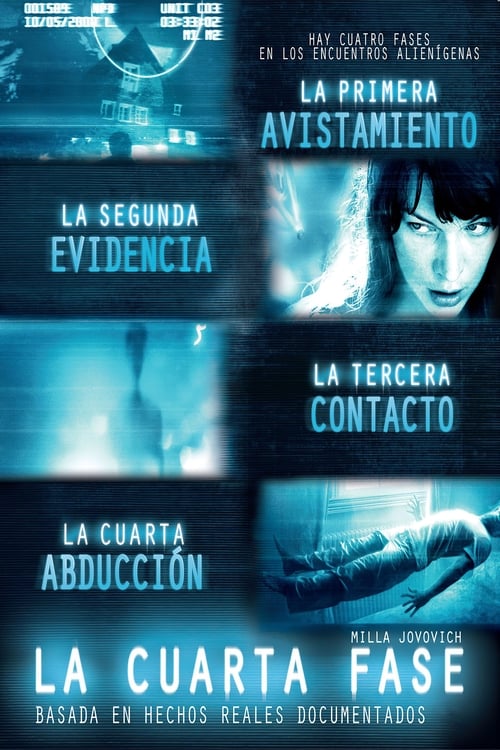
Octubre de 2000. La doctora Abbey Tyler regresa del misterioso asesinato de su marido, asesinado mientras dormía a su lado en la cama. Para aclarar lo sucedido con el hombre, Abbey se dirige a Nome, en Alaska, donde su marido estaba realizando sesiones de psicoanálisis con algunos pacientes que afirman haber sido víctimas de secuestros alienígenas. La mujer continúa las sesiones de su marido y descubre características comunes en todos los presuntos secuestrados, que dicen ver un inquietante búho fuera de sus ventanas cada noche. Cuando Abbey también ve el búho, la situación para la mujer comienza a deteriorarse y sus pacientes se comportan cada vez más extrañamente.
La suerte está echada: después de la tendencia del torture porn, los primeros diez años del tercer milenio serán recordados por los amantes del horror por el mockumentary. Una tendencia cada vez más extendida desde que en 1999 Myrick y Sanchez nos presentaron "The Blair Witch Project" y, tras unos años de estancamiento, hubo el verdadero boom con el fenómeno "[REC]"; desde entonces, la tendencia de construir películas de terror sobre sucesos presentados como verdaderos a través de la puesta en escena de documentos "verificables" y métodos de grabación de "real tv" está monopolizando el panorama cinematográfico de terror. Por lo tanto, después del estreno en nuestras salas de "[REC] 2" y justo antes del punto de no retorno "Paranormal Activity", llega a la gran pantalla también "El cuarto tipo", esta vez sobre la temática de "alienígenas".
"El cuarto tipo", sin embargo, no es un mockumentary en toda regla, o mejor dicho, no lo es durante toda su duración. De hecho, la película dirigida por el estadounidense de nombre impronunciable Olatunde Osunsanmi adopta la técnica del falso documental solo para la reconstrucción de algunas sesiones de psicoanálisis e entrevistas que deberían servir como material de archivo (aunque sepáis que todo fue filmado ex novo para la película, incluso los vídeos con los "verdaderos" protagonistas, que en realidad también son actores), estableciendo luego el resto de la obra como cualquier película de ficción. Por lo tanto, nada de tomas subjetivas ni de calidad amateur, sino simplemente un híbrido que se integra en el género de manera un poco transversal.
Hay que decir que el potencial de "El cuarto tipo" era realmente alto, la típica ocasión para dar vida a una joya de género, ya que el juego realidad-ficción y la originalidad de la técnica podrían haber jugado con el factor novedad y, además, la temática de los "secuestros alienígenas", si se trata bien, puede dar lugar a historias realmente inquietantes. Obviamente, si empiezo con esta premisa quiere decir que algo ha salido mal y el proverbial "mar" ha creado esa barrera que existe entre el "decir" y el "hacer". De hecho, no solo "El cuarto tipo" ha tirado por la borda todo el potencial técnico-expresivo-narrativo, sino que ha logrado presentarse incluso como una película profundamente fea.
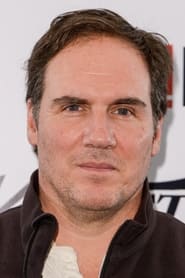
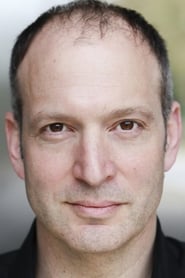
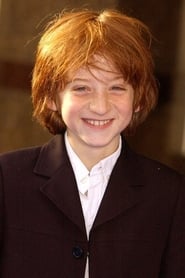
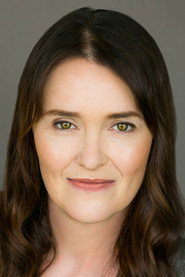
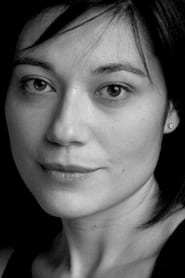
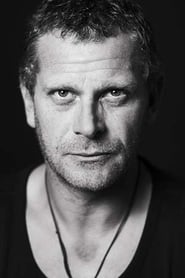
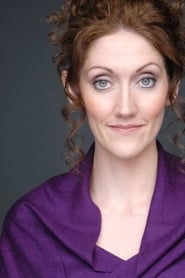
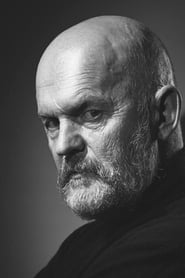
Osunsanmi, que además de dirigir la película también la escribe, tuvo la mala idea de querer hacer que una historia inventada parezca real recordándonos cada 5 minutos que estamos asistiendo a una reconstrucción, por lo tanto, a algo falso. Haciendo entrar en escena a Milla Jovovich, que se presenta al público como ella misma, poniendo los nombres de los actores en la pantalla junto a los personajes que interpretan y (abusando) de la pantalla dividida para ponernos cerca los rostros de los actores/personajes con los de los presuntos reales protagonistas del asunto (aunque también ellos actores/personajes, en definitiva) no se hace otra cosa que interferir continuamente en la suspensión de la incredulidad del espectador, haciéndolo así pasivo ante la experiencia cinematográfica —lo cual es lo peor que puede ocurrir ante una película— y no permitiéndole interesarse por los personajes y preocuparse por sus destinos. El resultado es una película poco interesante, demasiado falsa en su intento de ser realista a toda costa y casi presuntuosa en su intento de imponerse como un documento veraz, a lo que contribuyen también las apariciones del mismo director en el papel de entrevistador y presentador del asunto.
Otro punto que no juega a favor de "El cuarto tipo" es la total falta de ritmo y la absoluta falta de narrativa de la trama. Los 100 minutos de la película están constituidos casi exclusivamente por las sesiones de psicoanálisis a las que la doctora Tyler somete a los presuntos secuestrados. Hay muchas charlas, demasiadas para una película de este tipo, interrumpidas esporádicamente por repentinos ataques de pánico que afectan a los "analizados" y que deberían representar los momentos de miedo también para el espectador. En realidad, de los 4-5 momentos de miedo —todos caracterizados por un uso terrorista de la alternancia de planos sonoros para crear el efecto "salto de la silla"— solo uno funciona, aquel en el que uno de los pacientes levita sobre la cama, los demás son más bien fastidiosos números casi cómicos con gente que grita.
"El cuarto tipo" introduce dos ideas originales sobre la temática tratada: por un lado, el aspecto de los alienígenas, por otro, su naturaleza divina. Hacer aparecer a los visitantes como búhos —aunque en la película hay un error clamoroso, ya que los mostrados no son búhos sino lechuzas— es una idea sugerente y los animales considerados, verdaderos dueños de la noche, con su flema y al mismo tiempo con el aspecto autoritario, parecen elecciones perfectas para encarnar a los visitantes nocturnos, a mitad de camino entre la realidad y la pesadilla. La segunda idea, la de vincular a los alienígenas con las deidades sumerias, parece un poco forzada y fuera de lugar en una historia así; lo mismo puede decirse de las escenas con los secuestrados que se comportan como si estuvieran poseídos por el demonio, una elección original pero poco atractiva en relación con el tema tratado.
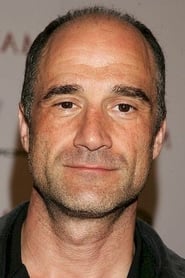
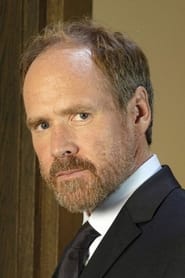
El director, que proviene del pésimo clon de "The Descent" que responde al nombre de "The Cavern", se divierte con recursos de montaje, a veces de manera exagerada, justo como esos niños que acaban de descubrir un nuevo juego y lo agitan de un lado a otro con el peligro de romperlo. El reparto, que incluye nombres como Milla Jovovich ("Resident Evil", "Ultraviolet"), Elias Koteas ("La última profecía"; "El Mensajero") y Will Patton ("The Punisher"; "Fuera en 60 segundos") está poco involucrado y poco involucrante, quizá también a causa de personajes planos y sin desarrollo.
En resumen, una mala película que tiene el agravante de la oportunidad desperdiciada, causada por la idea descabellada de dejar carta blanca a quien tiene ideas confusas, inexperiencia y una latente manía de protagonismo.
Comentarios
Comentarios (0)

Comentarios