
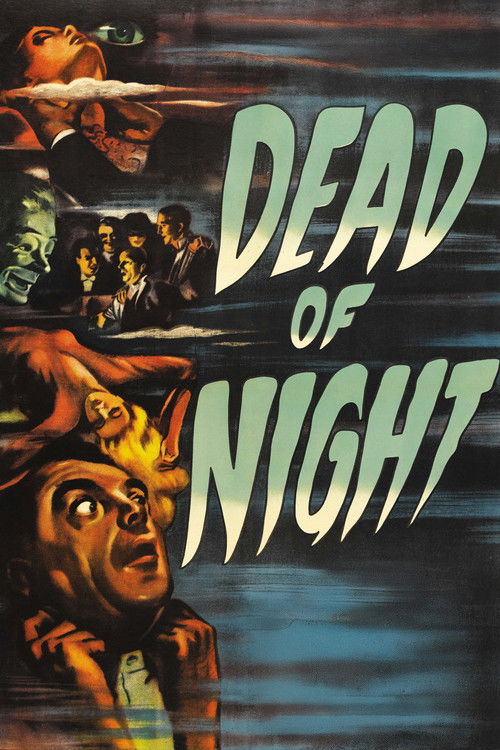

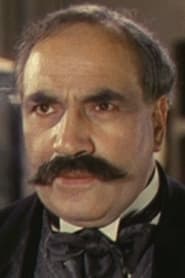
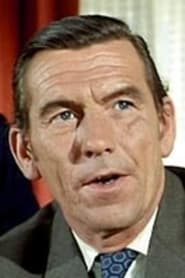

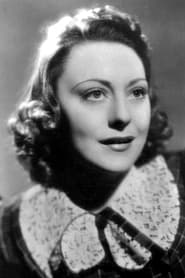

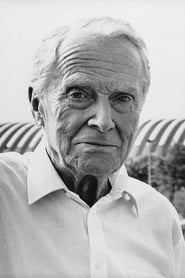
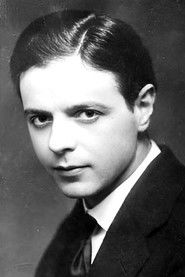

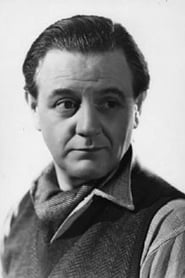
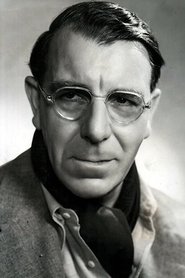
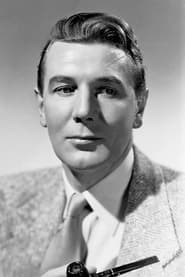
Walter Craig is an architect tasked with modernizing a villa in the English countryside. Upon arrival, he realizes he has already seen the villa in his dreams. The same feeling overwhelms him when he sees the people currently in the house. Every movement, every word has already been seen by Mr. Craig. Scared, he tells his dream to the villa owners, who in turn will entertain the architect with supernatural events that have involved them. Until Craig's dream turns into a nightmare.
It's a type of film, typical of horror cinema, that over the years has produced several noteworthy films. The genre in question is the anthology film. Examples like "Creepshow", "The Black Cat's Crimes" or "ABC's of Death" have become classics for horror movie lovers.
The habit of anthology film screenwriters is usually to take several ideas, maintain a common thread (not mandatory and not always present), such as works by the same author, or an element of the story that unites the tales, and compose a kind of mosaic made up of a series of shorts or medium-length films.
In the distant 1945, one of the first examples of an anthology film appeared. It's hard to say if it's really the pioneer of this genre, but it's certainly one of the first. The film in question is "Night Boat to Dover", also known by the title "Dead of Night".
It's a very particular and above all very successful operation. Seen today, it's impossible not to think of the cult TV series "The Twilight Zone" (which by the way made its appearance on television screens almost fifteen years later).
Short stories, each with different protagonists but which have in common mystery, the unexplained, that supernatural made of many questions and few answers.
"Night Boat to Dover" not only manages to tell five stories, different from each other in style, duration, and content in an impeccable and essential way, but it also fully achieves the objective by connecting the stories together in a coherent, credible, and mysterious way. Everything revolves around Mr. Craig and his dream in which all the characters he finds in the country house are present. Each of these characters has a very precise role in Craig's dream (and consequently in reality) and this role is revealed little by little as the story progresses. The episodes in question are nothing more than the stories of the guests of the country house, told to Mr. Craig to reassure him, to make him understand that he is not the only one who has had to deal with moments on the edge of reality.
A pilot, after an accident, is haunted by a premonition that will prove very important to save his life; a girl, while playing hide and seek with some children, finds one crying hidden in the attic; a mirror as a birthday gift turns into a window to another dimension; the story of two friends passionate about golf that ends in tragedy due to a love rivalry and the madness of a ventriloquist governed by his puppet.
Different stories, united by a chilling ending, the announced moment when the architect Craig's dream turns into a nightmare, where the characters of all the stories converge in the same place in a delirious sequence.
Analyzing episode by episode, the results are mixed. If the first two stories ("The Hearse Driver" and "The Christmas Party") do not stand out for originality, from the third episode onwards, there are moments of great cinema. In "The Enchanted Mirror" we are faced with a mystery-filled story where we move from murder stories to parallel realities, all because of an object that even in the future will often be considered an instrument of ambiguity and a gateway to other worlds. The fourth episode ("A Golf Story") is a mix of Hitchcock and Agatha Christie, a kind of dark comedy with a dramatic story rich in funny moments. Undoubtedly, the last episode, "The Ventriloquist's Dummy", is the best. The doll as an instrument of terror was born here and even today Hugo, the puppet, is one of the most chilling examples of a demonic doll.
The ending perfectly plays on cyclicity, mocking the viewer and the protagonists.
Unfortunately forgotten, it's a clear example of how masterpieces were once produced.
Comments
Comments (0)












Comments