







The Verdict
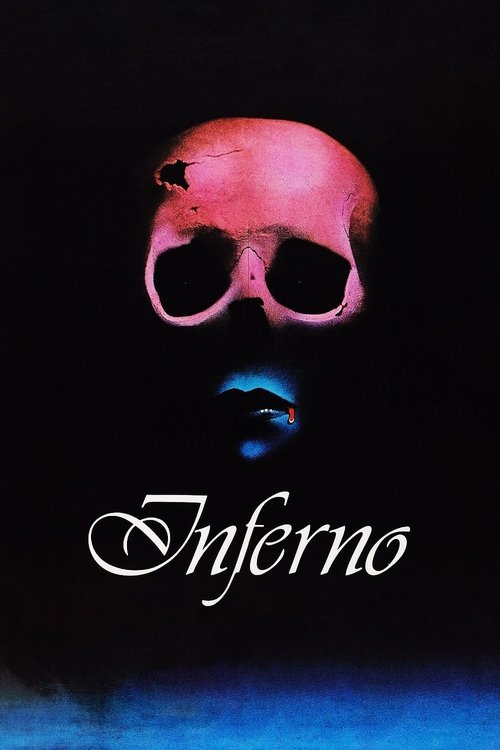
A young woman from New York discovers that the house where she lives is the headquarters of one of the three Mothers of Hell (the other two are located in Rome and Fribourg). The young woman dies in a horrible way but manages to warn her brother, who, after various vicissitudes, will succeed in putting an end to the empire of the three queens of Hell.
A young woman from New York discovers that the house where she lives is the headquarters of one of the three Mothers of Hell (the other two are located in Rome and Fribourg). The young woman dies in a horrible way but manages to warn her brother, who, after various vicissitudes, will succeed in putting an end to the empire of the three queens of Hell.
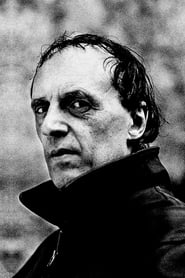
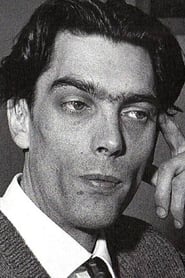
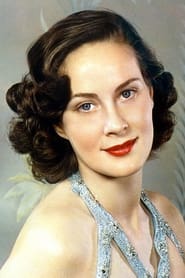
Another excellent work by Dario Argento, who for this film also collaborates with the legendary Mario Bava, with a film that we could define, for the themes it addresses, as fantasy-horror. The cast includes well-known names such as Eleonora Giorgi and Gabriele Lavia, who both disappear quickly from the scene, leaving the viewer somewhat bewildered and overturning the "habit" that wants the most famous actors to remain alive until the end. Argento this time decides not to entrust the music to the "usual" Goblin, opting instead for the great composer Keith Emerson, who creates an admirable classical soundtrack that, however, fails to be unsettling (as was the case with the music of the Goblin in "Suspiria" and "Deep Red"). Although this is not the director's favorite field (specialized in horror thrillers), he still manages to achieve a good result, it's a shame that the film visibly declines in the finale, not so much in the development of the plot, as in the visual representation of the "three sisters" (a sort of ridiculous carnival costume). Finally, it should be noted an aspect that often goes unnoticed, and that is that "Inferno" is nothing more than a sort of sequel to "Suspiria": in fact, the witch who tormented poor Jessica Harper in Argento's previous film was none other than one of the three Mothers, Mater Suspiriorum; hence in "Inferno" the dwelling of the "Mother of Sighs" is in Fribourg, the same city where the dance theater school of the events of "Suspiria" was located.
Comments
Comments (0)


















Comments