












Il Verdetto
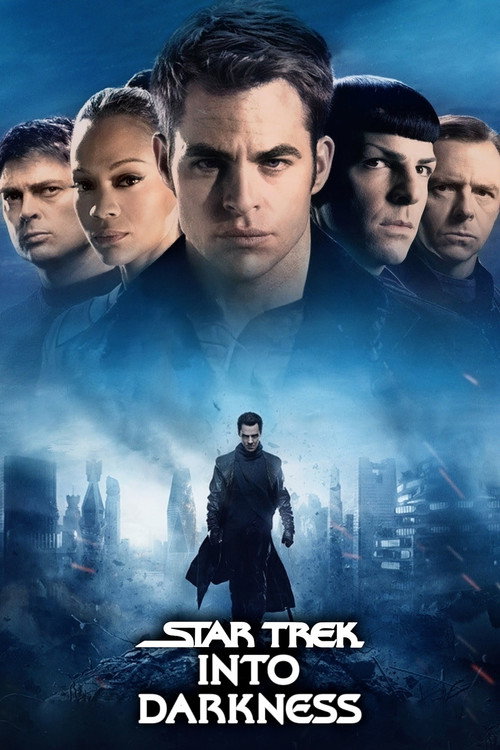
La terra è sconvolta da una sequenza di attacchi terroristici ad opera di un misterioso uomo legato a doppio filo alla flotta stellare. Le istituzioni vacillano e la guerra è sempre più vicina.
La terra è sconvolta da una sequenza di attacchi terroristici ad opera di un misterioso uomo legato a doppio filo alla flotta stellare. Le istituzioni vacillano e la guerra è sempre più vicina. Per dargli la caccia viene chiamato il capitano James T. Kirk e tutto il suo equipaggio.
Scuse accettate, andiamo avanti.
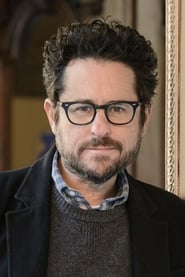
Il rischio di fare pasticci o di perdere fette di pubblico è molto alto quando si tenta di mettere mano all’universo di Star Trek, il primo film di J.J. Abrams è stato troppo avventato, la corsa al reinventare ha preso la mano del regista che ha dato vita a un film apocrifo, troppo lontano da quel sentire che pervade l’universo Trekker. Poi l’esplosione di Vulcano, pianeta natale di Spock, troppo gratuita e ingiustificata per passare in sordina. Il tempo corregge i cattivi inizi e forse il “genio” Abrams ha capito che un film non è bello soltanto perché ci sono tante sequenze spettacolari,
d'altronde “Star Trek” non è come il cugino della “galassia lontana lontana”. Star Trek è contenuto, narrazione e azione, sottrarre una di queste variabili farebbe saltare il concetto che è alla base della visione del suo creatore Gene Roddenberry. Quindi bisogna saper calibrare tutto, dosare le componenti con sapienza alchemica, sottrarre e aggiungere elementi in coerenza con quelli che li hanno preceduti. In questo secondo film c’è molto di quella formula originaria, J.J. Abrams ha fatto un buon lavoro, continuando la saga dell’universo alternativo di “Star Trek” e ritornando molto vicino allo spirito originale. Scene introspettive, effetti speciali funzionali alla storia e personaggi ben caratterizzati, lunghi monologhi e le tanto amate riunioni ad alto livello che fanno di “Star Trek” quello che è e non altro. Tutto aggiornato con sapienza e moderazione.
Zachary Quinto nei panni di Spock è molto più convincente di quanto lo fosse nel film precedente,
gigiona molto meno e interpreta quasi correttamente il ruolo che in passato è stato di Leonard Nimoy.
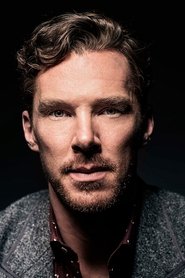
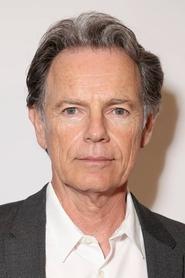
Il punto di forza di “Star Trek – Into Darkness” è la presenza di due cattivi molto convincenti che si riallacciano direttamente alla serie classica e alle numerose incarnazioni televisive di “Star Trek”. Khan è stato una scelta coraggiosa, ci vuole una buona dose di spavalderia per riprendere le gesta di un personaggio che è amatissimo dai fan e che ha dato vita al film più bello di tutta la serie originale, “Star Trek 2: L’ira di Khan”. La sortita riesce, anche perché si riscrive la storia all’interno della storia, mantenendo fisse le coordinate umane ed emotive pur variando le vicende. Khan si collega direttamente al secondo cattivo, un membro riconducibile alla Sezione 31, organizzazione deviata all’interno della flotta stellare, che risulta ancora più enigmatico dello storico nemico e interpretato da un Peter Weller in stato di grazia. La storia procede con ponderazione, si fa visita al mondo dei Klingon,
un pianeta oscuro e post apocalittico, dove intere aree sono disabitate e i cieli attraversati da sparvieri che sembrano usciti dall’universo di Terminator. L’impero Klingon, anche se solo accennato è presente in tutto il film, la guerra fredda detta la sua agenda e le scelte politico militari ruotano attorno a questo fatto centrale e imprescindibile per comprendere tutta la saga inventata da Gene Roddenberry.
Questa volta è andata bene, possiamo tirare un sospiro di sollievo, il film è riuscito.
Per chi voleva scrivere l’epitaffio di Star Trek, perché troppo vecchio, troppo sfruttato, troppo fuori dal tempo o semplicemente perché nulla dura per sempre quindi meglio farla finita, con questo film si potrà ricredere e mettersi l’anima in pace.
Lunga vita e prosperità a Star Trek.
Commenti
Commenti (0)









Commenti