



Il Verdetto
Marco, un trentacinquenne romano, si reca a Napoli per una gita di piacere. Dopo aver incontrato sua cugina Elena, Marco rimane vittima di uno scippo in cui gli viene sottratta una catenina con un crocifisso decorato con sette gemme che portava attorno al collo.
Marco, un trentacinquenne romano, si reca a Napoli per una gita di piacere. Dopo aver incontrato sua cugina Elena, Marco rimane vittima di uno scippo in cui gli viene sottratta una catenina con un crocifisso decorato con sette gemme che portava attorno al collo. L’uomo appare subito molto agitato e la sua unica preoccupazione è ora recuperare il crocifisso, poiché il prezioso monile è l’unico rimedio ad una maledizione che lo affligge fin dalla nascita: solamente con il crocefisso attorno al collo, Marco può evitare di trasformarsi in lupo mannaro nelle notti di luna piena. Per ritrovare l’oggetto, Marco si mette in contatto con la malavita locale fino ad arrivare ad un ricettatore di merce rubata: il suo prezioso crocifisso è finito a Roma.
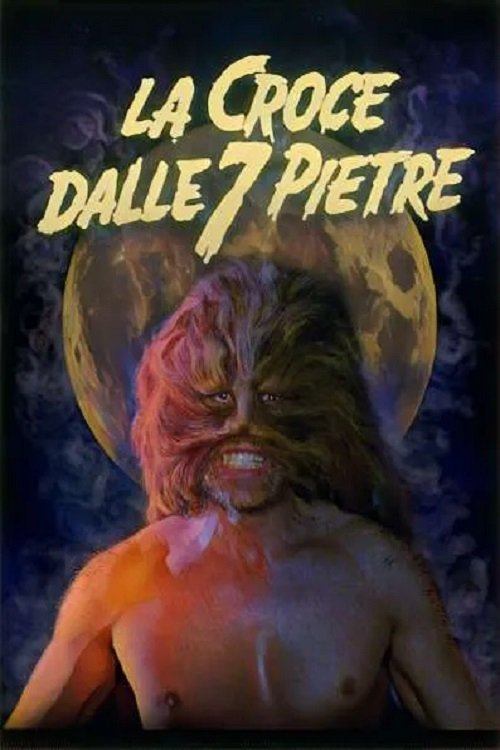
Un famoso detto partenopeo recita “vedi Napoli e poi muori”, affermazione più che adeguata per i personaggi che entrano in contatto con il famigerato “Lupo mannaro romano a Napoli” protagonista del simbolo del trash-cult orrorifico per eccellenza: “La Croce dalle sette pietre”. Conosciuto anche con il significativo titolo “La Camorra contro il lupo mannaro” ( sic! ) è probabilmente il film che da solo racchiude tutta l’essenza del trash, un horror che non spaventerebbe neanche un bimbo in fasce, un film farcito di numerosissime scene comiche involontarie, con degli effetti speciali così demenziali e poveri da strappare più di una risata; insomma, un film talmente brutto e maldestro da suscitare compassione.
“La Croce dalle sette pietre” parte già da un soggetto delirante che difficilmente, anche se raccontato in due parole, potrebbe essere preso sul serio; un licantropo che deve affrontare una banda di camorristi per recuperare un oggettino prezioso è davvero un’idea bislacca che si presterebbe più ad una commedia con Enzo Cannavale, piuttosto che ad un horror che si prefigge comunque l’obiettivo di spaventare. Gli effetti speciali sono di un’ingenuità disarmante: trasformazioni in licantropo realizzate con dissolvenza come si faceva negli anni ’40; un ventre esploso reso con un evidentissimo palloncino ripieno di passata di pomodoro e perfino una squallidissima sequenza di body melt…per non parlare di qualche esplosione sul finale e improvvisi ed intrusi frame che mostrano facce mostruose chiaramente rubati da qualche altro film.
Sul look del lupo mannaro poi bisognerebbe stendere un velo pietoso: una volta diventato licantropo Marco appare nudo come un verme con una maschera di pelliccia che gli copre la parte superiore del volto stile wrestler messicano, parruccone che simula una chioma fluente e castana e guanti che riproducono zampe artigliate a coprir le mani. Poi c’è un quesito che sicuramente chiunque si è posto guardando il film: per quale motivo Marco appena trasformato è completamente nudo e dopo essere tornato normale ha magicamente tutti i vestiti indosso, puliti e stirati? Beh, evidentemente ci sono cose che gli esseri umani non sono autorizzati a sapere!
La sceneggiatura in diversi punti sembra improvvisata, tanto che spesso il film sembra quasi incapace di andare avanti e si affida a comicissimi dialoghi ( per lo più ridicoli siparietti da farsa napoletana che si concludono puntualmente a parolacce ) e alla totale incapacità dell’attore protagonista, un indimenticabile Eddy Endolf ( in realtà lo stesso regista Marco Antonio Andolfi ) da oscar del trash. Qua e là vengono anche inserite sequenze di messe nere e orge sataniche per chiarire il passato del protagonista e l’origine della sua maledizione, flashback che raggiungono il culmine nella scena in cui il piccolo Marco ( in piedi nel suo lettino, che curiosa da dietro le sbarre come un carcerato ) fa la conoscenza del suo papà diavolo-licantropo, un tizio intrappolato in un costumone peloso che lo fa somigliare ad un ibrido tra una delle scimmie di “Il pianeta delle scimmie” e il villoso Chewbecca di “Star Wars”.
La copia del film analizzata è addirittura la director’s cut, ovvero la versione rimontata da Andolfi, regista di cotanto capolavoro. In questa sua versione il film si intitola “Talisman” ( ma a noi piace ricordarlo sempre e comunque “La Croce dalle sette pietre” ) e dura alcuni minuti in più poiché il regista ha inserito in apertura, in chiusura e in una lunga sequenza onirica a metà film, degli inutili, noiosi e piuttosto irritanti spezzoni in stile “national geographic” in cui vengono mostrate immagini di guerra, eruzioni vulcaniche, bambini del terzo mondo e diverse immagini ad effetto come per sottolineare il fatto che tutti i mali dell’umanità hanno una connessione con la maledizione del lupo mannaro; insomma, idiozie più che evitabili.
Se valutato sotto un’ottica obiettiva e un reale senso del valore estetico, “La Croce delle sette pietre” è quanto di più atroce il cinema possa offrire: sceneggiatura inesistente, dialoghi da barzelletta, attori improvvisati, regia da principiante, effetti speciali da supermarket e tanto ridicolo involontario. Se poi invece si valuta questo film sotto un’ottica prettamente trash, allora si ha a che fare con un capolavoro assoluto, capace di far passare allo spettatore 90 minuti di risate assicurate.
Commenti
Commenti (0)


Commenti