
El Veredicto
Después de la muerte del conde Drácula, Van Helsing es arrestado por asesinato. Mientras tanto, una cadena de misteriosas muertes sigue ensangrentando las calles de Londres: la autora es la condesa Marya Zaleska, hija del legendario conde vampiro.
Después de la muerte del conde Drácula, Van Helsing es arrestado por asesinato. Mientras tanto, una cadena de misteriosas muertes sigue ensangrentando las calles de Londres: la autora es la condesa Marya Zaleska, hija del legendario conde vampiro. Marya está, sin embargo, dividida sobre su condición y no sabe si dejarse llevar a su naturaleza diabólica, como le aconseja su mayordomo Sandor, o intentar que la cure el psiquiatra Jeffrey Grath.
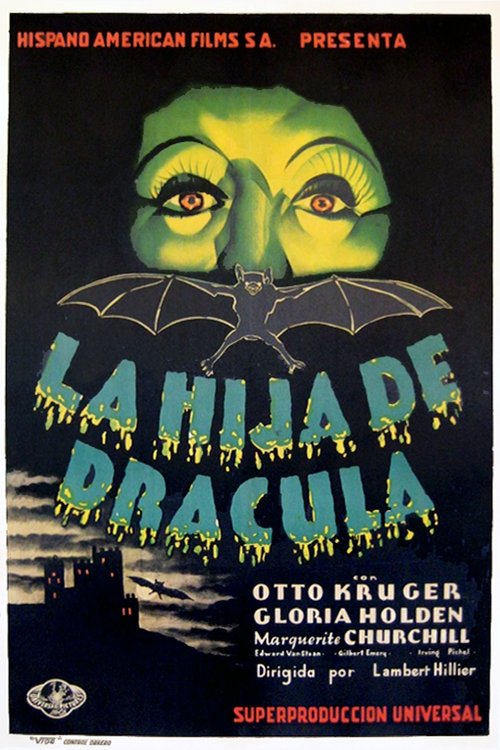
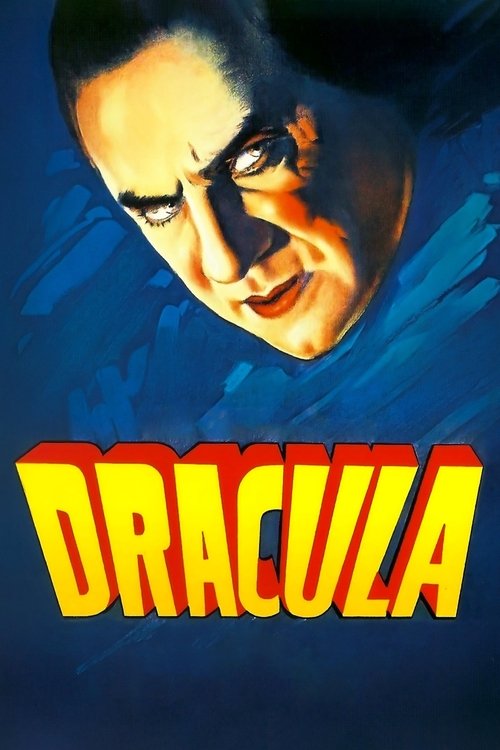
Tras el gran éxito obtenido por "Drácula" de Tod Browning, Universal intenta la carta de la secuela y encarga a Lambert Hillyer la dirección de "La hija de Drácula".
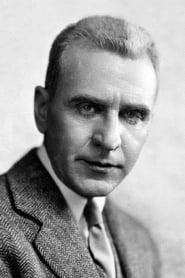
Hillyer ya había trabajado para Universal con la ciencia ficción "El rayo invisible" (interpretada por las estrellas del momento Boris Karloff y Bela Lugosi) y en el futuro será recordado por numerosos westerns de la edad de oro de Hollywood y por haber llevado por primera vez a la pantalla Batman, con un serial de 1943.
La película de Hillyer se presenta como un sólido horror que se desarrolla entre el misterio y lo gótico, continuando con buena imaginación la historia del conde Drácula, sin caer nunca en lo banal o en la fácil ingenuidad de algunos productos de la época. Gran parte del mérito es de la guionista veterana Garrett Fort ("Drácula", "Frankenstein") que tiene la buena idea de comenzar la historia justo donde terminaba
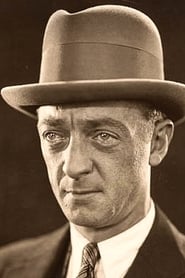
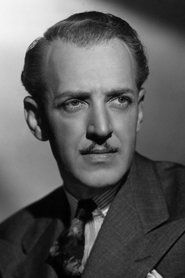
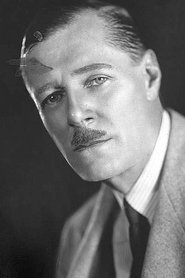
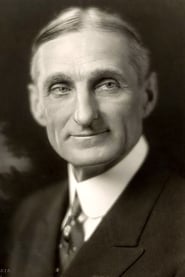
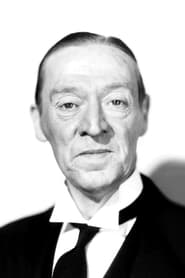
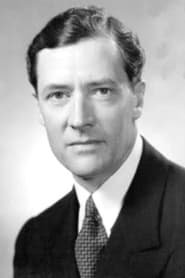
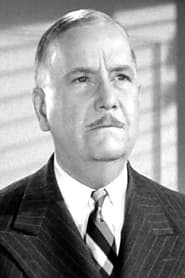
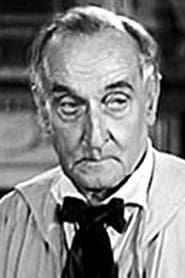
en la primera película, dando a las dos películas un buen sentido de continuidad. Entre los personajes antiguos solo queda el profesor Van Helsing, interpretado nuevamente por Edward Van Sloan, que aquí tiene un papel muy marginal, dejando la escena a Otto Kruger ("Duelo al sol"; "Mediodía de fuego") que interpreta al psiquiatra Grath, un hombre de ciencia abierto también al paranormal, al igual que su amigo Van Helsing. Grath tiene una relación de amor/desprecio con la caprichosa Janet (Margherite Churchill), la típica chica en peligro dibujada de manera diferente a las hermosas damas de salvar, ya que se le da un carácter fuerte y emancipado, seguramente inusual para los horrores de esa época. Seguramente inusual es también el tratamiento de algunos temas "adultos", tabú para los Estados Unidos de los años '30; así se diseminarán muchas pistas sobre la ambigua naturaleza sexual de la condesa Marya, mostrando también a la vampira en acción mientras se dispone a iniciar una relación sáfica con su víctima.
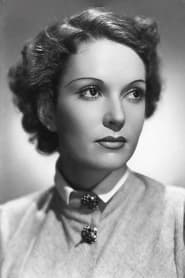
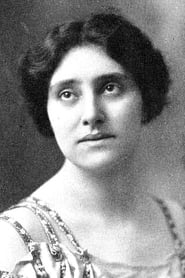
El personaje de la vampira Marya Zaleska está muy bien dibujado, proporcionando así el retrato de un ser atormentado e indeciso si seguir su naturaleza de chupasangre o eliminar todo rastro de su lado malvado (en una escena significativa, de hecho, la mujer quema el cadáver de su padre). El vampirismo se trata aquí como una enfermedad, anticipando películas del calibre de "Martin" y "The Addiction", tanto que solo un hombre de ciencia como Grath se considera capaz de curarla. La condesa Zaleska está
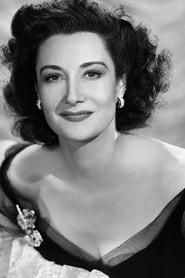
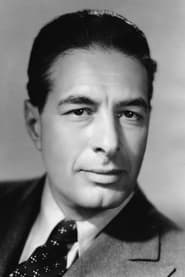
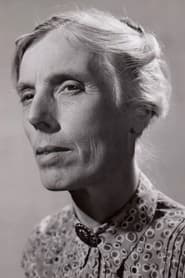
interpretada magníficamente por Gloria Holden que logra hacer realmente creíble el sufrimiento y el conflicto interno de su personaje, seguramente la actriz más en parte de toda la película, acompañada por el clásico asistente/mayordomo de aspecto desagradable, y aquí sutilmente manipulador así como el verdadero personaje negativo de la película, interpretado por el activísimo Irving Pichel.
"La hija de Drácula" representa, por lo tanto, un ejemplo de excelente secuela, incluso más madura y original que su predecesor, seguramente capaz de apasionar y dejar completamente satisfechos a todos los aficionados al horror vintage.
Comentarios
Comentarios (0)


Comentarios