
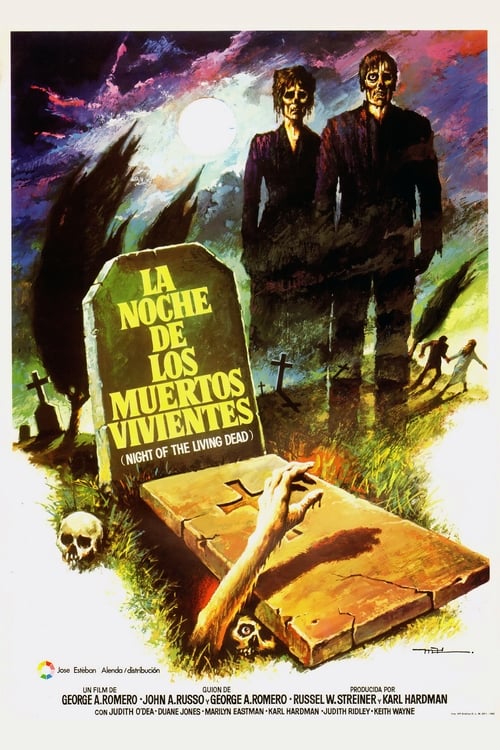
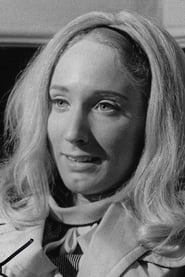


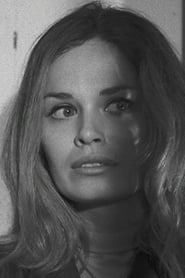
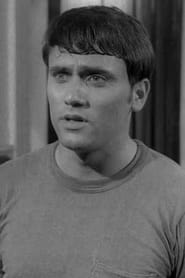


Barbara y su hermano Johnny se dirigen al cementerio para visitar la tumba de un familiar, pero son atacados por algunos muertos vivientes. Johnny pierde la vida en la refriega, mientras que Barbara logra llegar a una granja aparentemente deshabitada. Poco después, en la cabaña llama un joven llamado Ben, que propone atrincherarse para evitar los ataques de los zombis que, mientras tanto, están rodeando la granja. Los dos fugitivos descubrirán pronto que en el sótano de la vivienda hay otras cinco personas escondidas, pero en lugar de ayudarse mutuamente, se crearán tensiones entre los habitantes de la casa.
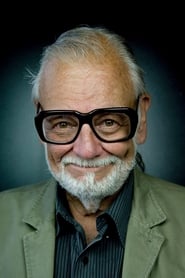
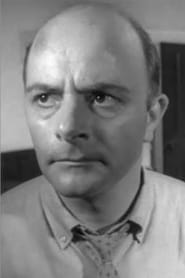
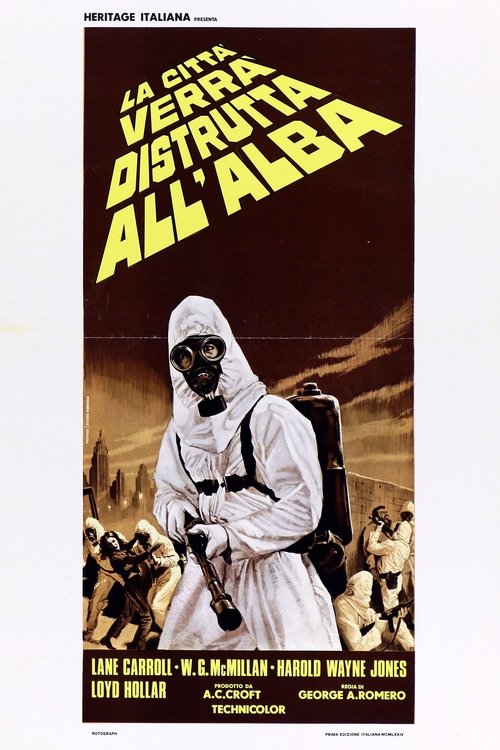
Obra fundamental del cine de terror, una película que trasciende el simple cine de género y se presenta como un notable ejemplo de Cine tout court. A pesar de su importancia, "La Noche de los Muertos Vivientes" nació por casualidad, gracias a la decisión del entonces joven director de documentales industriales George Romero y de su amigo John Russo, de producir una película de ciencia ficción con bajo presupuesto. Los primeros guiones escritos por Russo, casi de ciencia ficción al estilo de Ed Wood, fueron afortunadamente descartados, y el guión definitivo se basó en una idea de Romero inspirada en la novela "Soy Leyenda" de Richard Matheson; una obra literaria ya llevada al cine en 1963 por Ubaldo Ragona con "El Último Hombre de la Tierra". Encontrado un financista en el publicista George Hardman (intérprete del odioso señor Cooper y responsable de la música de la película), las filmaciones comenzaron en junio de 1967. Se filmó los fines de semana cada vez que se lograban reunir el dinero y el rollo de película necesarios; los actores, a excepción de Duane Jones y Judith O'Dea, eran todos no profesionales. Tras 7 meses y una inversión final de solo 117.000 dólares, la película se completó.
No fue fácil encontrar un distribuidor, debido a las características consideradas poco atractivas de la obra, como la elección del blanco y negro, la ausencia de una historia de amor, un final trágico y "incluso" un protagonista de color. El interés de la Walter Read Organization permitió que la película circulara en las salas de cine de barrio y en el circuito de los drive-in. Gracias al boca a boca, la película se convirtió rápidamente en un clásico, incluso fue incluida en una retrospectiva dedicada a los mejores debuts cinematográficos organizada por el Museo de Arte Moderno de Nueva York y finalmente logró garantizarse una taquilla mundial de 30 millones de dólares (una cifra de la que Romero y sus socios vieron muy poco, ya que la mayor parte la embolsó el señor Walter Read). Con "La Noche de los Muertos Vivientes" se cierra el viejo género del terror gótico, ejemplificado en las películas de la Hammer, y se abre la temporada del llamado new horror. Este salto de calidad no se debe buscar tanto en la truculencia de las imágenes mostradas, ya que en la película hay sangre pero no se muestra con particular ostentación y la elección de la fotografía en blanco y negro tiende inevitablemente a desempoderar las imágenes gore (desde este punto de vista, Romero hará cualitativa y cuantitativamente mucho más en las películas posteriores, especialmente en el final de "El Día de los Muertos", una verdadera orgía de despojos al aire). El cambio en la forma de entender el horror es principalmente una cuestión de contenido. Se pasa de los convencionales castillos encantados y criptas polvorientas, un mundo pintoresco y ajeno, un más allá en cierto modo consolador, a nuestro mundo. En la trágica odisea de los siete personajes de la película, en su mutua pelea entre ellos, vemos nosotros mismos y el mundo en el que vivimos. En cuanto a la trama, Romero extrae de "Soy Leyenda" el tema del asedio por parte de criaturas de pesadilla. Mientras que en la novela de Matheson los seres asediantes son vampiros descritos de manera más o menos convencional: salen de noche, tienen aversión a los espejos y el ajo y se eliminan atravesándoles el corazón; en la película de Romero los llamados "monstruos" son imaginados de manera tal que son muy similares a los seres humanos, una similitud que es su característica más inquietante. El zombi romeriano no es simplemente un "monstruo", es sobre todo un "símbolo", una icona particularmente poderosa, legible a varios niveles. Los muertos vivientes han sido interpretados de diversas maneras. Los exponentes de una nueva sociedad que devora la antigua (dependiendo de los puntos de vista, esto puede ser visto de manera positiva o negativa). Los desposeídos y los marginados, es decir, la mayoría de los seres humanos, que se rebelan contra el status quo. El símbolo del conformismo: son muchos y son estúpidos, pero son la mayoría y tarde o temprano todos se vuelven como ellos.
Romero en el documental "American Nightmare" proporcionó otra interpretación, según él, el zombi representa lo que más teme: la gente. Interpretaciones múltiples y contradictorias entre sí, no se dice que haya una que privilegiar y es también esto lo que hace grande la película (esta ambigüedad recuerda a la de otro gran ejemplo del cine fantástico "La Invasión de los Ladrones de Cuerpos" de Don Siegel, en la que el body snatcher podía ser visto tanto como el espantajo de la masificación comunista como el emblema del conformismo de la provincia americana de los años 50). "La Noche de los Muertos Vivientes" es una película filmada en 1968, un período histórico cargado de fermentos políticos y culturales de los que la película refleja conscientemente determinadas temáticas. La institución más atacada es la de la familia, entre vagas pulsiones incestuosas entre Johnny y Barbara y núcleos familiares simbólicamente "en descomposición" como el de los Cooper, cuya hija Kate mordida por un muerto viviente se transforma progresivamente en un zombi con intención de devorar a los padres. Ni siquiera los medios de comunicación salen bien parados: considerados preciosísimos por los protagonistas no hacen más que propagar noticias confusas y sustancialmente inútiles. Sobre todo el filme pesa el pesimismo antropológico de Romero, a diferencia de los clásicos filmes de asedio la situación precaria no logra unir a los personajes, que en lugar de hacer frente común se atacan entre ellos y hacen aún más desesperada su condición; como decir que la tan decantada racionalidad humana es en realidad inútil contra el egoísmo y las pulsiones innatas destructivas de los seres humanos. Más allá de todos los mensajes presentes, intencionalmente o no, en la película, el principal mérito de "La Noche de los Muertos Vivientes" es el de ser una película genuinamente aterradora.
Un terror que se insinúa poco a poco, hasta que el espectador no se da cuenta de que en el miedo a morir de los personajes humanos y en la muerte ya en acto de los zombis no hay más que el reflejo de sí mismo y de su destino. Una película extraordinaria, un ejemplo de lo que es capaz de ser el cine de terror en las manos de un gran director.
Comentarios
Comentarios (0)










Comentarios