
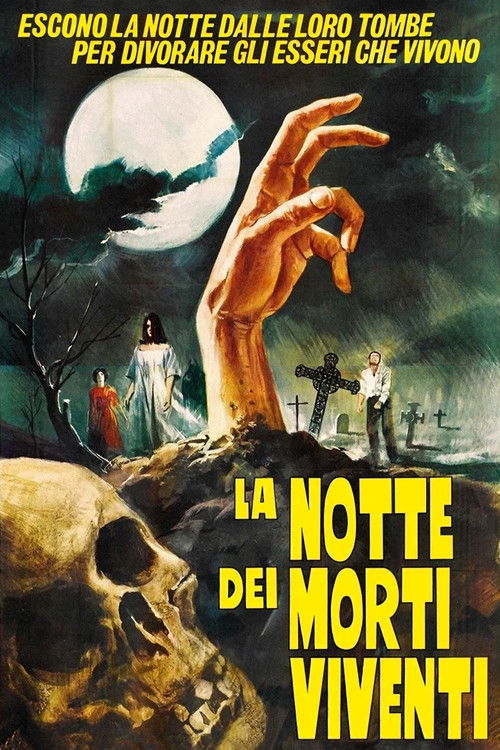
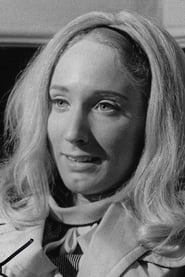


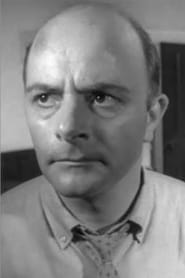
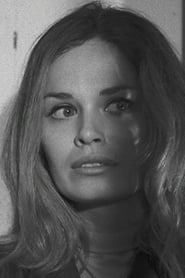
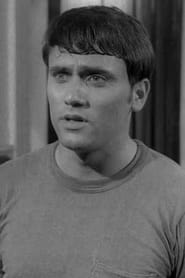

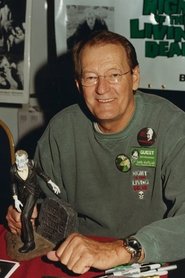

Barbara e suo fratello Johnny si recano al cimitero per far visita alla tomba di un parente, ma vengono aggrediti da alcuni morti viventi. Johnny perde la vita nella colluttazione, mentre Barbara riesce a raggiungere una fattoria apparentemente disabitata. Poco dopo al casolare bussa un giovane tizio di colore, Ben, che propone di barricarsi per evitare gli attacchi degli zombi che nel frattempo stanno circondando la fattoria. I due fuggiaschi scopriranno presto che nella cantina dell’abitazione ci sono altre cinque persone nascoste, ma anziché darsi una mano a vicenda, verranno a crearsi tensioni tra gli abitanti della casa..
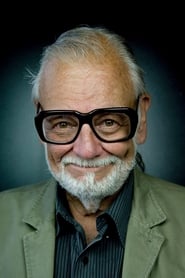
Opera fondamentale dell’horror cinematografico, un film che travalica il semplice cinema di genere e si pone come un notevole esempio di Cinema tout court. Nonostante la sua importanza “La Notte dei Morti Viventi” nasce per caso, grazie alla decisione del ventottenne Gorge Romero, giovane regista di documentari industriali e del sua amico John Russo, di produrre un film di fantascienza a basso budget. I primi soggetti scritti da Russo, roba fantascientifica quasi alla Ed Wood, furono fortunatamente scartati, e la sceneggiatura definitiva si baserà su un’idea di Romero mutuata dal romanzo “Io Sono Leggenda” di Richard Matheson; un’opera letteraria già trasposta per il grande schermo nel ’63 da Ubaldo Ragona con “L’Ultimo Uomo della Terra".Trovato un finanziatore nel pubblicitario George Hardman (interprete dell’odioso signor Cooper oltre che responsabile delle musiche del film), le riprese iniziano nel Giugno 1967. Si girò nei week-end ogni qual volta si riusciva a mettere insieme i soldi e la pellicola necessari; gli attori, esclusi Duane Jones e Judith O’Dea, erano tutti non professionisti. Dopo 7 mesi e un investimento finale di appena 117.000 dollari, il film venne portato a termine.
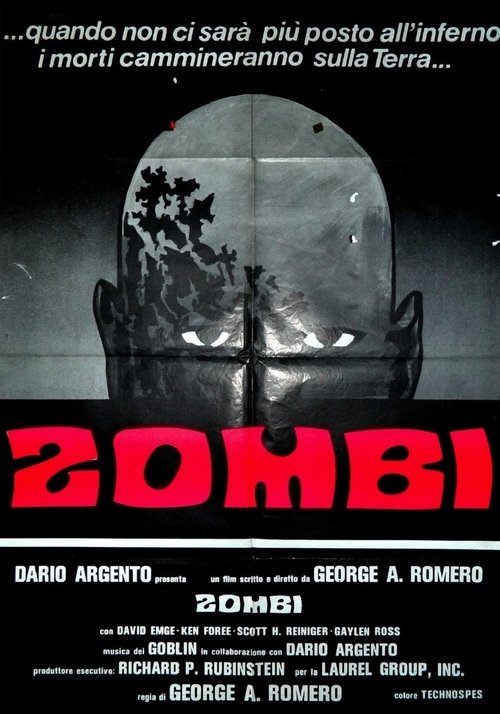
Non fu facile trovare un distributore, viste le caratteristiche ritenute poco appetibili dell’opera, come la scelta del bianco e nero, l’assenza di una storia d’amore, un finale tragico e “addirittura” un protagonista di colore. L’interessamento della Walter Read Organization permise al film di circolare nelle salette di periferia e nel circuito dei drive-in. Grazie al passa parola il film divenne rapidamente un cult, venne addirittura incluso in una rassegna dedicata ai migliori esordi cinematografici organizzata dal Museo di Arte Moderna di New York e alla fine riuscì a garantirsi un incasso mondiale di ben 30 milioni di dollari (una cifra di cui Romero e soci videro ben poco, il grosso lo intascò il signor Walter Read). Con “La Notte dei Morti Viventi” si chiude il vecchio filone dell’horror gotico, quello esemplificabile nei film della Hammer, e si apre la stagione del cosiddetto new horror. Questo salto di qualità non è da ricercare tanto nella truculenza delle immagini mostrate, nel film infatti il sangue c’è ma non viene mostrato con particolare ostentazione e la scelta della fotografia in bianco e nero tende inevitabilmente a depotenziare le immagini gore (da questo punto di vista Romero farà qualitativamente e quantitativamente molto di più coi film successivi, specie nel finale de “Il Giorno degli Zombi”, vera orgia di frattaglie all’aria). Il cambiamento nel modo di intendere l’orrore è soprattutto una questione di contenuti. Si passa infatti dai convenzionali castelli stregati e cripte polverose, un mondo pittoresco ed estraneo, un altrove tutto sommato consolatorio, al nostro mondo. Nella tragica odissea dei 7 personaggi del film, nel loro reciproco azzuffarsi tra di loro, noi vediamo noi stessi e il mondo in cui viviamo. Per quanto riguarda la trama, Romero estrapola da “Io Sono Leggenda” il tema dell’assedio da parte di creature da incubo. Mentre nel romanzo di Matheson gli esseri assedianti sono dei vampiri descritti in maniera grosso modo convenzionale: girano di notte, hanno avversione per specchi e aglio e si eliminano trapassandogli il cuore; nel film di Romero i cosiddetti “mostri” sono immaginati in maniera tale da essere molto simili agli esseri umani, una assimilabilità che è la loro caratteristica più inquietante. Lo zombi romeriano non è semplicemente un “mostro”, è soprattutto un “simbolo”, una icona particolarmente potente, leggibile a diversi livelli. I morti viventi sono stati interpretati in vari modi. Gli esponenti di una nuova società che divora la vecchia (a seconda dei punti di vista la cosa può essere vista in maniera positiva o meno). I diseredati e gli emarginati, ovvero la maggior parte degli esseri umani, che si ribellano allo status quo. Il simbolo del conformismo: sono tanti e sono stupidi, ma sono la maggioranza e prima o poi si diventa tutti come loro.
Romero nel documentario “American Nightmare” ne ha fornito anche un’altra, secondo lui lo zombi rappresenta la cosa che teme di più: la gente. Letture molteplici e in contraddizione tra loro, non è detto però ve ne sia una da privilegiare ed è anche questo che fa grande il film (questa ambiguità ricorda quella di un altro grande esempio del cinema fantastico “L’Invasione degli Ultracorpi”di Don Siegel, in cui il body snatcher poteva essere visto sia come lo spauracchio della massificazione comunista che come l’emblema del conformismo della provincia americana degli anni ’50). “La Notte dei Morti Viventi” è un film girato nel ’68, un periodo storico pregno di fermenti politici e culturali di cui il film riflette consapevolmente determinate tematiche. L’istituzione più bersagliata è quella della famiglia, tra vaghe pulsioni incestuose tra Johnny e Barbara e nuclei familiari simbolicamente “in decomposizione” come quello dei Cooper, la cui figlia Kate morsa da un morto viventi si trasforma progressivamente in uno zombi intenzionato a sbranare i genitori. Neppure i mezzi di comunicazione fanno una bella figura: ritenuti preziosissimi dai protagonisti non fanno che propagare notizie confuse e sostanzialmente inutili. Su tutto il film grava il pessimismo antropologico di Romero, a differenza dei classici film d’assedio la situazione precaria non riesce a unire i personaggi, che invece di fare fronte comune si attaccano tra di loro e rendono ancora più disperata la loro condizione; come a dire che la tanto decantata razionalità umana è in realtà inutile contro l’egoismo e le innate pulsioni distruttive degli esseri umani. Al di là di tutti i messaggi presenti , volutamente o meno, nel film, il pregio principale de “La Notte dei Morti Viventi” è quello di essere un film genuinamente terrorizzante.
Un terrore che si insinua man mano, fino a che lo spettatore non si rende conto che nella paura di morire dei personaggi umani e nella morte già in atto degli zombi altro non c’è che il riflesso di se stesso e del suo destino. Un film straordinario, un esempio di cosa è in grado di essere il cinema horror nelle mani di un grande regista.
Commenti
Commenti (0)







Commenti