






Las colinas tienen ojos backdrop
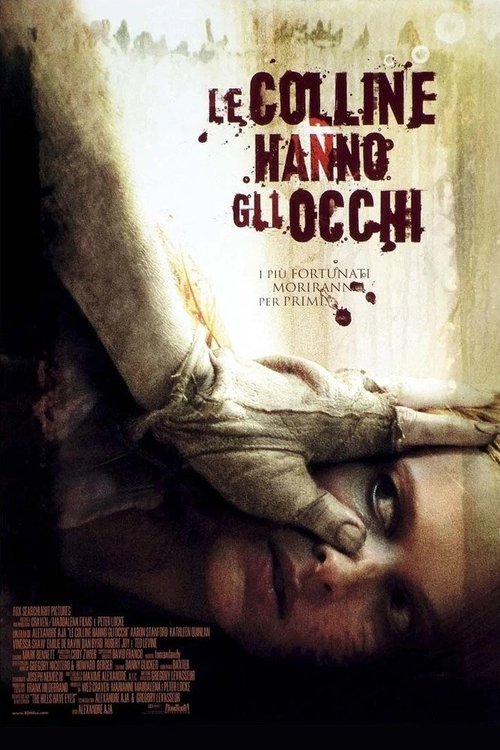
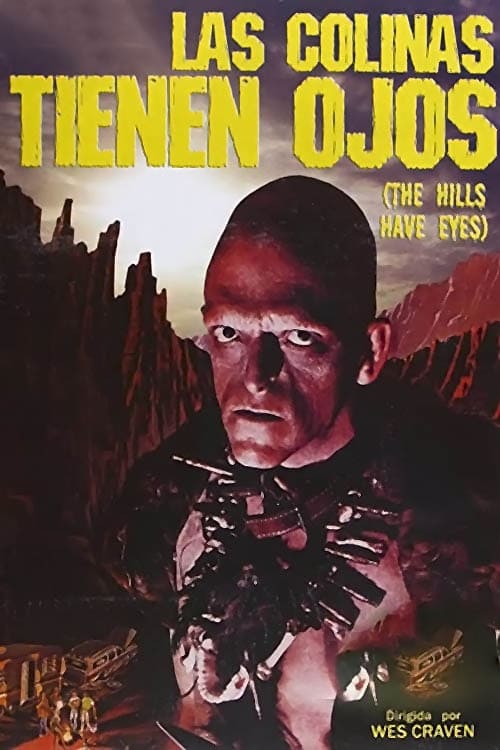
Las colinas tienen ojos poster

LAS COLINAS TIENEN OJOS

The Hills Have Eyes

1977 US HMDB
julio 22, 1977

Camino de California, una típica família de clase media norteamericana sufre una avería en medio del desierto. A partir de ese momento, el viaje se tornará un calvario para ellos, intentando sobrevivir a una siniestra familia de caníbales... (FILMAFFINITY)

Directores

Reparto

👍 👎 🔥 🧻 👑

Comentarios

Comentarios (0)

RESEÑAS (1)

Roberto Giacomelli
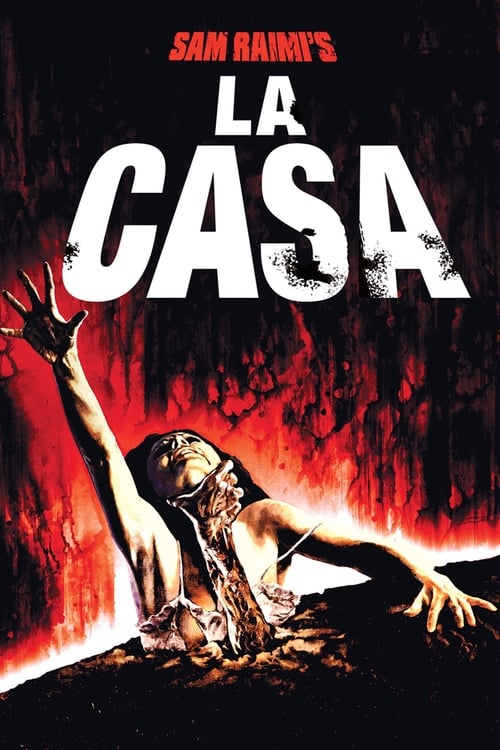
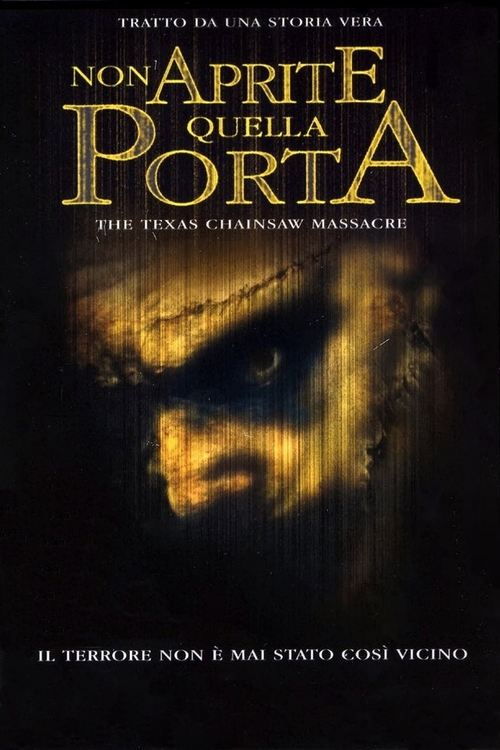
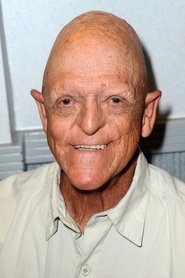
La familia Carter está de viaje, con su caravana, hacia California. La ruta más rápida parece ser la que atraviesa el desierto de Nevada, que muchos creen que es utilizado por el ejército para experimentos nucleares desconocidos. Una avería causada por un accidente obliga a la familia Carter a pasar la noche en medio del desierto, pero pronto se convertirán en presa de una despiadada familia de mutantes caníbales que viven entre las colinas. Celebre segundo film del maestro del new horror Wes Craven, "Las colinas tienen ojos" llega cinco años después de su "La última casa a la izquierda" y, por segunda vez, deja sin duda una huella en el paisaje polvoriento y sangriento del cine de terror de los años '70. Claramente influenciado por el clásico de Hooper "No abras esa puerta", la película de Craven lleva adelante, y quizás extrema, su sádica poesía de la venganza familiar: también en "Las colinas tienen ojos", como en "La última casa a la izquierda" y posteriormente en otras de sus obras, el centro de la trama es la familia americana, o más bien las familias. Tenemos la familia degenerada, desviada y desviante, compuesta por rechazados deformes y devoradores de hombres, y la familia respetable, perteneciente a la clase media, que solo tiene como modo de supervivencia el retroceder a la bestialidad y ponerse al mismo nivel que la primera familia, la de los monstruos. La sociedad americana, entonces, genera monstruos y los monstruos moldean otros monstruos; pero el discurso de Craven no se limita solo al territorio estadounidense, sino que es mucho más amplio: es la sociedad humana la que genera monstruos, que anidan en la oscuridad de una cueva entre las colinas del desierto, así como en el instinto innato de supervivencia del ser humano más manso, listos para salir y atacar y devorar la inocencia (no es casualidad que el objetivo principal de la familia caníbal sea comer al bebé recién nacido de la familia Carter y el primer miembro de la familia caníbal en morir sea el más pequeño y visiblemente retrasado). Más allá de la interpretación sociológica, "Las colinas tienen ojos" logra tener un gran impacto emocional en el espectador, generado por sugerentes ambientaciones naturales capturadas por una fotografía sucia y polvorienta, muy al estilo western de los años '60, y por una violencia, a menudo solo sugerida, primitiva y a veces perturbadora, hecha de hombres quemados vivos y cuchilladas infligidas con ferocidad animal. Inevitablemente, su distribución en las salas estuvo acompañada por un mar de polémicas (como ya había ocurrido con "La última casa a la izquierda" y "No abras esa puerta"), pero también por un gran éxito de público que impulsó a Craven, en 1985, a dirigir una secuela, muy lejos del encanto que transmite la primera película. El reparto de "Las colinas tienen ojos" está compuesto esencialmente por rostros no muy conocidos por el público, excepto Dee Wallace (aquí en el papel de Lynn, la hermana mayor) que será protagonista de numerosas películas de terror ("El aullido", "Cujo", "Critters", "Suspension in Time"), pero también en la muy exitosa "E.T." de Spielberg. Otro rostro recurrente en el cine de género, y aquí presente en el papel del caníbal Plutón, es el de Michael Berryman, actor estadounidense de inconfundible físico para películas de terror, que volverá a ser dirigido por Craven en "Blessing mortale", "Invitation to Hell" y "Las colinas tienen ojos 2", además de en "Inferno in diretta" de Deodato y "The devil’s reject" de Rob Zombie. En conclusión, "Las colinas tienen ojos" es uno de los pilares del new horror, así como una de las mejores películas de Craven. Absorbente y perturbadora. Obligatoria la visión para un apasionado del terror. Curiosidad. Craven cuenta que para la realización del guion se inspiró en un hecho realmente ocurrido en Escocia en el siglo diecisiete. Existe un curioso juego de referencias cinematográficas entre Wes Craven y Sam Raimi que tiene a "Las colinas tienen ojos" como iniciador: durante la película de Craven, se puede ver en una pared del interior de la caravana el póster roto de la película "Tiburón" de Spielberg, como queriendo afirmar, por parte del director, que una de sus intenciones era la de lograr hacer una película más aterradora que la del tiburón asesino. En una de las escenas del culto de Raimi "La casa" se puede ver en la pared del sótano el póster roto de "Las colinas tienen ojos", desafío que el director lanzaba a Craven por las mismas razones que llevaron a Craven a citar la película de Spielberg. Pero Craven aceptó el desafío de Raimi y le hizo el "favor" en "Pesadilla", insertando en una escena una televisión encendida que transmitía "La casa".
👍 👎 🔥 🧻 👑

Comentarios

Comentarios (0)

Dónde Ver

Alquilar

Apple TV Apple TV
Amazon Video Amazon Video

Comprar

Apple TV Apple TV
Amazon Video Amazon Video

RESEÑAS DE LA COMUNIDAD (5)

John Chard

John Chard

6 /10

You folks. Stay on the main road now you hear!

After having announced himself to the horror hordes with The Last House on the Left, Craven's next horror pick would be this, The Hills Have Eyes, another slab of grit and grime.

A nuclear family head across the desert in their giant trailer only to break down and find there's beasties in the hills hungry for their blood.

It has become very much a popular cult pic with Craven fans, which is understandable given the brisk pacing, moments of intensity and suspense, while the allegories and messages are smartly inserted. But the low budget does affect the product, it looks cheap and renders much of the violence and sexual aspects (implied or otherwise) as being not very frightening or stomach churning. While some of the acting is very poor, further adding a cartoonish feel to what should have been a nerve shredding experience.

Above average for sure, but not the masterpiece some would have you believe. 6/10

Gimly

Gimly

6 /10

Though the case of The Hills Have Eyes is a rare one wherein I feel that the remake is in its entirety a better film than the original, Wes Craven's 1977 exploitation horror is still a solid movie, just one that doesn't succeed in its totality. Gimme a Beast spin-off anyday though.

Final rating:★★★ - I liked it. Would personally recommend you give it a go.

JPV852

JPV852

7 /10

This is one I could've sworn I had seen before and while I think I remembered a few scenes, the rest was a blank. In any case, I thought it was okay for a independent horror film with characters that at least weren't obnoxious. It's nothing special but I suppose entertaining enough. 3.5/5

CinemaSerf

CinemaSerf

5 /10

Despite being warned by a cranky old garage owner to stay on the highway, know-it-all "Big Bob Carter" (Russ Grieve) decides to take his family on a dirt track so they can try to find an old silver mine. The road is barely designed for a donkey, much less a car towing a caravan and so into a ditch they go and their troubles begin. Initially, that is just the inconvenience but when one of their dogs heads off, chased by his son "Bobby" (Robert Houston - clad in the tiniest pair of shorts that still appeared perfectly adequate for modesty, though), we start to realise that there is danger all around them. Yep, they have strayed into the territory of a family of interbred hillbillies who are quite happy to terrorise the family. Should they stay in their van or try to escape? What about the baby they have with them? At least they still have one more dog! Can they survive? To be honest, a combination of hysterical screaming and some terrible acting (except from the dog) made this nigh-on unwatchable for me. The production - single camera with terrible editing and continuity - seemed to lurch from one badly framed shot to another and the fact that this family of urban drips developed some ruthless desert-ninja skills in a matter of moments - especially the hapless "Bobby" who at least put some jeans on - just contributed to a scare free story that left me bored. Nope, just not for me...

Wuchak

Wuchak

5 /10

An Ohio family vs a clan of cannibals in the Southwest desert

Wes Craven developed this after the deserved success of “The Texas Chainsaw Massacre” with further inspiration stemming from the 16th century ‘Sawney’ Bean legend of Galloway, Scotland. “Deliverance” was also no doubt an influence, not to mention a little “Straw Dogs” seeing as how the theme involves civilized people turning to utter savagery to survive, which was also the moral of “Witchfinder General,” aka “The Conqueror Worm.”

The milieu and general vibe is similar to “Gargoyles” from four years earlier, but this is easily the least of all these movies due to a lack of artistry, dull storytelling, and comic booky antagonists. It would’ve worked better IMHO if the cannibal family was depicted in a more mysterious manner. Instead, they’re depicted in broad daylight pretty much from the get-go.

If you can roll with the cheesiness, however, the proceedings pick up in the last act with an interesting turn-the-tables element.

Janus Blythe stands out in the feminine department as Ruby, who thankfully comes to the fore in the final half hour. More should’ve been done with her. Janus happened to be one of the few good things about Tobe Hooper’s “Eaten Alive” from the year before. Dee Wallace (Lynne) is a slightly lesser highlight while conventional blonde Susan Lanier (Brenda) is a’right.

A sequel came out in 1984 (which I have yet to view; and probably won’t after seeing this), followed by a remake in 2006, which isn’t exactly great but it’s superior to this, plus a mediocre sequel in 2007. The Asylum’s “Hillside Cannibals” came out shortly after the remake and it effectively kept the proceedings raw, grim and horrifying. S. Craig Zahler was inspired by these films (and the “Wrong Turn” franchise) for his superior "Bone Tomahawk,” which is distinguished by being a Western.

It runs 1h 30m and was shot in Victorville in the Mojave Desert, which is located 85 miles northeast of Los Angeles.

GRADE: C

Reseñas proporcionadas por TMDB