







The Verdict
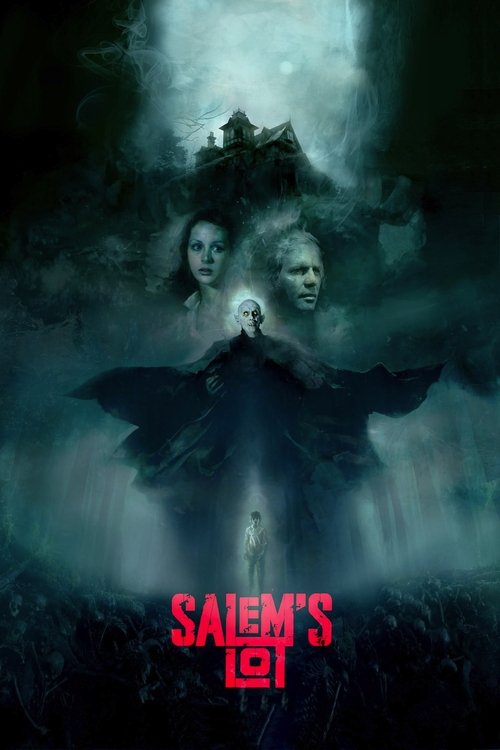
Adapting Salem's Lot, one of Stephen King's most unsettling novels, was no simple task. Tobe Hooper, fresh from the devastating impact of The Texas Chain Saw Massacre, rises to the challenge by taking a different approach—one that eschews pure shock in favor of a slow-burn narrative steeped in an atmosphere of creeping contamination.
Adapting Salem's Lot, one of Stephen King's most unsettling novels, was no simple task. Tobe Hooper, fresh from the devastating impact of The Texas Chain Saw Massacre, rises to the challenge by taking a different approach—one that eschews pure shock in favor of a slow-burn narrative steeped in an atmosphere of creeping contamination. Rather than simply depicting the hunt for a vampire, the director portrays the gradual decay of a community rotting from within.
The film's strength lies in its ability to transform the ordinary into something sinister. Quiet streets, small-town houses, and familiar faces become progressively hostile as evil spreads without haste yet with an almost epidemiological inevitability. It's a horror born from anticipation, from silence, and from the chilling sense that nothing can stop what's already begun.
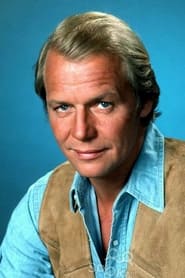
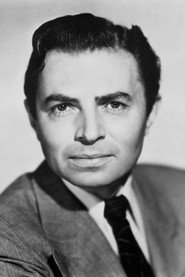
David Soul brings measured restraint to Ben Mears, avoiding any heroic grandstanding, but it's James Mason who commands every scene as the elegant and enigmatic Richard Straker. His performance infuses the character with both allure and dread—a figure who embodies evil's civilized face, far more subtle and dangerous than the creature he serves.
Hooper makes a decision that would reverberate through horror cinema to come: the vampire Kurt Barlow is no seductive aristocrat from tradition, but a grotesque, almost bestial creature clearly inspired by the Nosferatu of German Expressionism. It's a choice that abandons romanticism for pure nightmare, and it remains visually potent even today. The infamous sequence of the child hovering outside a window stands as one of television horror's most haunting images—deeply unsettling without relying on gore.
Certainly, the film bears the marks of its era and television production constraints. The pacing may feel drawn out to modern audiences, some special effects inevitably show their age, and the theatrical version sacrifices some of the character development found in the original miniseries. Yet this deliberate slowness is precisely what allows the film to cultivate a sense of fatalism that many contemporary adaptations have lost.
More than four decades after its release, Salem's Lot remains one of Stephen King's most successful adaptations—not necessarily for its absolute fidelity to the source material, but because it captures its essence: the fear that evil can slip quietly into everyday life, transforming friends, neighbors, and family into something irretrievably alien.
It's a horror built on atmosphere, tension, and suggestion—elements that Tobe Hooper orchestrates with surprising mastery, which explains why this miniseries continues to be cited by many American critics as a genuine classic of the genre.
Comments
Comments (0)
Comments