







The Verdict
Hans Beckert is a homicidal maniac who terrorizes an entire population. He kidnaps 7-8-year-old girls, pacifies them by giving them candies and balloons, and kills them while whistling a cheerful tune.
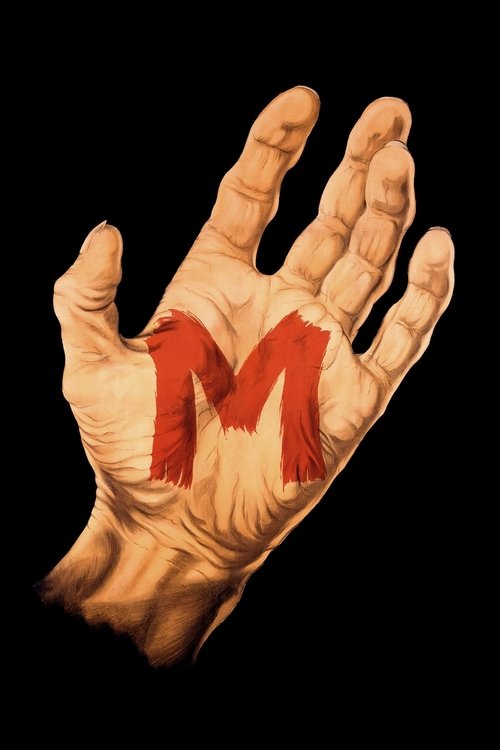
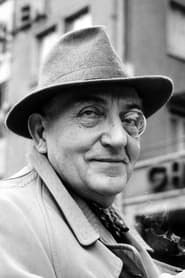
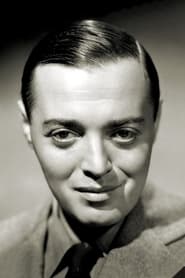
Hans Beckert is a homicidal maniac who terrorizes an entire population. He kidnaps 7-8-year-old girls, pacifies them by giving them candies and balloons, and kills them while whistling a cheerful tune. The city is in panic, posters are put up, and rich rewards are promised for his capture, but everyone is in the dark, especially the police, who waste time in useless conjectures without getting anywhere. At this point, the city's criminals enter the scene, furious that Beckert is ruining their reputation and usurping their territory. They search for him, recognize him, hunt him down, and when they manage to catch him, they subject him to a real trial. One of the greatest masterpieces in cinema history. The first sound film by Fritz Lang, written in collaboration with his wife Thea Von Harbour, which constitutes the most brilliant and concrete example of a serial killer appearing on the big screen (a theme that Lang had already addressed with Dr. Mabuse). A disturbing and mysterious film, played on the mothers who wait in vain for the return of their daughters, who were actually kidnapped and killed by the maniac (a perfect Peter Lorre), on the tune taken from Peer Gynt (whistled by Lang himself because Lorre couldn't do it) that announces the sinister presence of the monster, on the shadow of his face projected in backlight on the walls, and above all on the contrast between the practical uselessness of the police, engaged in endless meetings situated in offices permanently covered by cigar smoke but ineffective in performing their duty, and the pride of a population of criminals jealous of their role and their belonging to a great family from which Beckert is instead inexorably excluded. A film full of legendary images (the empty table in the first splendid sequence, which indirectly marks the death of little Elsie, and her balloon abandoned on the power lines. The parallel editing where the police and criminals plot to capture the monster, the shots of a squalid and freezing city in its desolation), and with a final part, the trial, that rightly entered history, in which a frightened and terrified Lorre offers the best performance of his career. Lang openly takes a stand against institutions (as in Metropolis), perfectly masters the staging, and we cannot but feel pity for a monster who kills driven by instinct and not by premeditation, and who perhaps is not such a monster after all.
Comments
Comments (0)









Comments