








The Verdict
The retired commissioner Ulisse Moretti finds himself involved in a new investigation into a series of deaths that replicate the modus operandi of some murders he investigated seventeen years earlier. The man then considered guilty had been found dead, executed with a gunshot, and the case was closed.
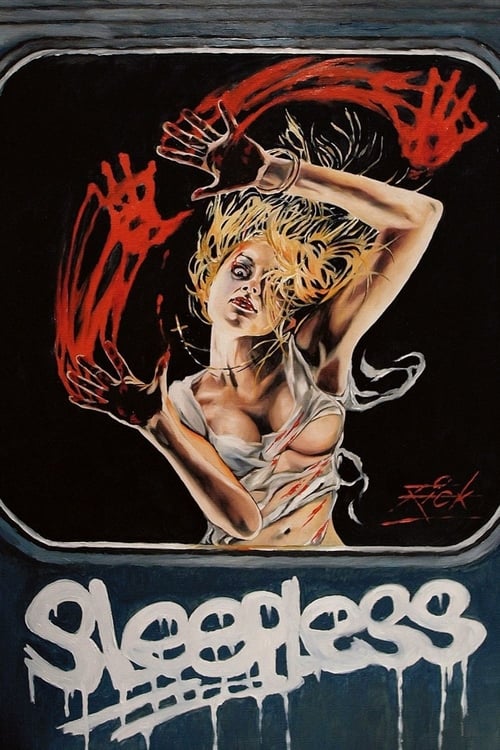
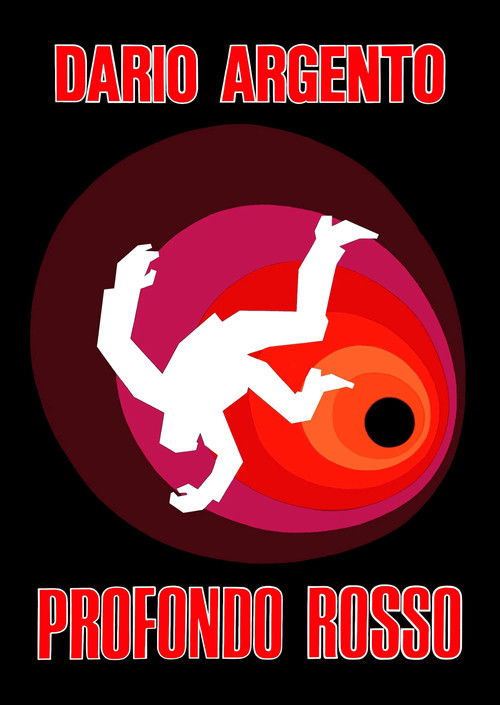
The retired commissioner Ulisse Moretti finds himself involved in a new investigation into a series of deaths that replicate the modus operandi of some murders he investigated seventeen years earlier. The man then considered guilty had been found dead, executed with a gunshot, and the case was closed. But now someone seems to have resumed killing with the same methods as before, so together with Giacomo, whose mother was one of the first victims of the killer, Commissioner Moretti spends his sleepless nights following the thread of memories that slowly surface, trying to solve the mystery and reveal the identity of the mad killer. The "master" par excellence of our horror cinema returns to direct a giallo-horror after the unfortunate parenthesis of "The Phantom of the Opera", but this time the result is not up to his great and deserved fame. Whenever Dario Argento directs a genre film, it is inevitable to make a parallel with his masterpiece "Deep Red", and more than ever in this case, given that there are many common elements in the two films: from the setting of the story in Turin, the same city where he filmed his masterpiece, to the children's rhyme (written by his daughter Asia) that the killer is inspired by for his crimes, and even the staging of the murders (the drowning of a victim in water and the face smashed against the walls of another, deaths that closely resemble two of the brutal murders of "Deep Red"). But many other self-quotations and references (from the music of the Goblin to one of the interpreters Gabriele Lavia) with which the director fills this "Non ho sonno" that, despite these devices, fails to recreate that perfect blend of tension, anguish, and fear that the director had managed to achieve in the now mythical "Deep Red". The reasons may be multiple, starting with the poor performances of some actors, except for the deserving Max Von Sydow, Gabriele Lavia, and Rossella Falk, the performances of the other actors, including the insecure protagonist Stefano Dionisi, are forgettable; the Goblin soundtrack, on the other hand, can be considered competent but is far from the levels reached in other films by the same Argento. Good, however, are the special effects by Sergio Stivaletti and the screenplay, to which the crime writer Carlo Lucarelli also contributed. In short, even leaving aside uncomfortable comparisons with "Deep Red", it cannot be denied that Argento seems to have lost some of his shine: "Non ho sonno" almost seems like an imitation product of his beautiful giallo-horror films that made him so loved by the public and critics. The tried-and-true double ending, an element that characterizes practically all thrillers signed by the director, begins to become repetitive and perhaps predictable (if you pay attention to the details, you will understand who the real killer is already after forty minutes of the film). Fans of the genre and the director will still find victims dripping with blood, some well-executed sequences (notably, the sequences on the train of the first murder and the long tracking shot of the murder in the theater), and the unmistakable directorial stamp of Dario Argento, managing to appreciate the film equally.
Comments
Comments (0)


Comments