










The Verdict
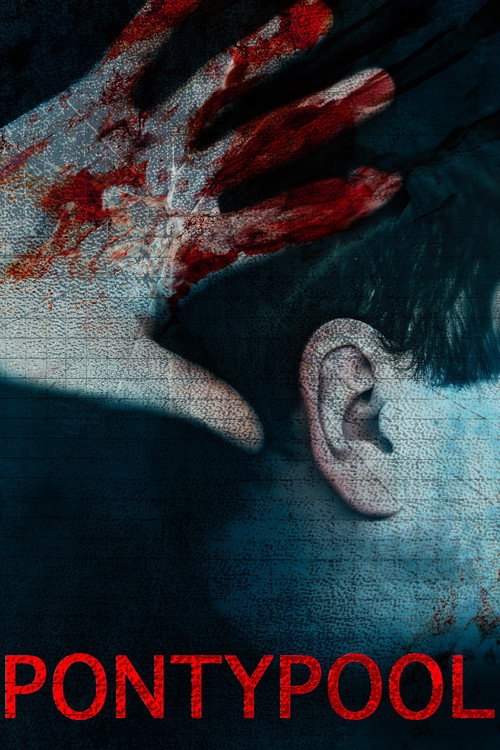
We are in Pontypool, a snowy Canadian town. Grant Mazzy is the provocative host of a local radio station, whose show is filled with sarcasm and vulgarity.
We are in Pontypool, a snowy Canadian town. Grant Mazzy is the provocative host of a local radio station, whose show is filled with sarcasm and vulgarity. During his broadcast, Grant recounts a curious incident that happened to him on his way to work: a woman in an obvious altered state who was babbling nonsense. During the show, more testimonies from people in a confused state will arrive, and both Grant and the radio technicians realize that something big and scary is happening outside. Some witnesses even report seeing people eating each other.
Often, in recent years, the three so-called Aristotelian units of time, space, and action have been taken, handled, and disrupted in cinema, especially in the genre we love so much. Films like the various "Paranormal Activity", entirely set in a house, or even more extreme ones like "Buried", whose story is narrated throughout the film from inside a coffin, have done more than start a trend: they have established the new rules of tension.
"Pontypool" is no less, an independent film made with a handful of dollars and a few actors that maintains the same rules as the aforementioned films, but shifts the action to a radio station.
But that is not the focus of the film. The ambition of the director and screenwriter is so high that they not only limit the action to such a small and uninspired location for a horror film but also try to make a zombie movie practically without zombies, using a singular (and never-before-seen) method of contagion: the word.
Yes, no more contagious bites, no more rabies virus, no more unexplained epidemics. The contagion is in our mouths and the words we use. If we set aside the exception of the only real horror scene in the film, in which an infected girl slams her bloodied head against the glass of the radio station booth under the frightened eyes of the survivors, the rest is made only of words, and that is where the brilliant idea stops working. On paper, it certainly has an effect, but in the adaptation, it has inevitably lost its charm.
Although many have cried miracle, "Pontypool" would have worked perfectly as a book or even just as a screenplay because in the adaptation into images, after an initial curiosity, the interest wanes scene by scene.
The last part is the cause of the collapse of the entire structure because, as the saying goes "show don't tell", showing is better than telling. The detailed explanation of the motivation behind the contagion lacks bite and is even ridiculous.
One understands the motivations for such a choice since it is a play for blindfolded spectators, a film told as if the transmission medium were the radio and not the cinema. If they had opted for an ending with a few more images and a few less words, and why not, with the addition of some zombies, perhaps we would now be talking about a cult.
A wasted opportunity because with such a good idea in hand, a strong argument, and one full of symbolism (the power of communication), much more could have been done.
Add half a pumpkin for the good idea.
Comments
Comments (0)



Comments