






Le Verdict
Le réalisateur de films d'horreur Ikuo Matsumura décide de tourner un film sur un massacre survenu trente-cinq ans plus tôt dans un hôtel désormais désaffecté, où un professeur devenu fou a tué onze personnes, membres du personnel et clients. Au début du tournage du film, la jeune actrice Nagisa Sugiura commence à avoir des hallucinations d'une enfant avec une poupée qui la poursuit.
Le réalisateur de films d'horreur Ikuo Matsumura décide de tourner un film sur un massacre survenu trente-cinq ans plus tôt dans un hôtel désormais désaffecté, où un professeur devenu fou a tué onze personnes, membres du personnel et clients. Au début du tournage du film, la jeune actrice Nagisa Sugiura commence à avoir des hallucinations d'une enfant avec une poupée qui la poursuit. Lors d'une visite de repérage dans le vrai hôtel, le réalisateur admet que son objectif réel n'est pas seulement de réaliser un film d'horreur, mais aussi d'apporter la paix aux âmes des victimes du massacre. Par ailleurs, certaines personnes apparemment sans lien avec le film commencent à avoir des visions effrayantes.
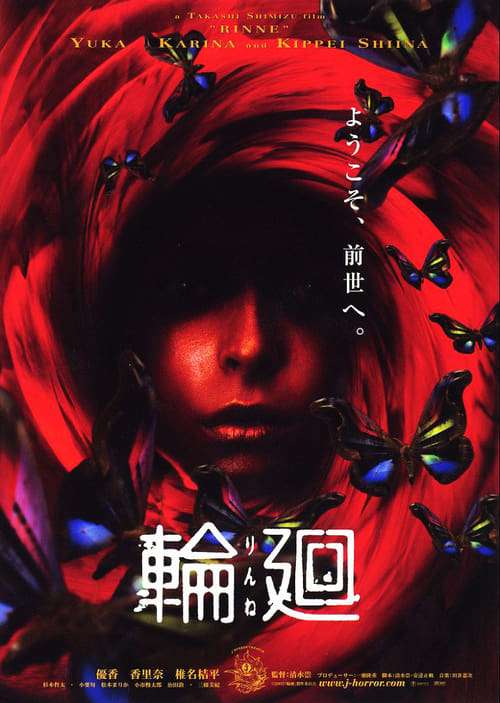
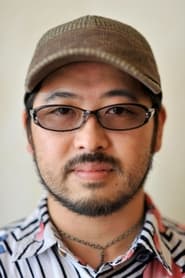
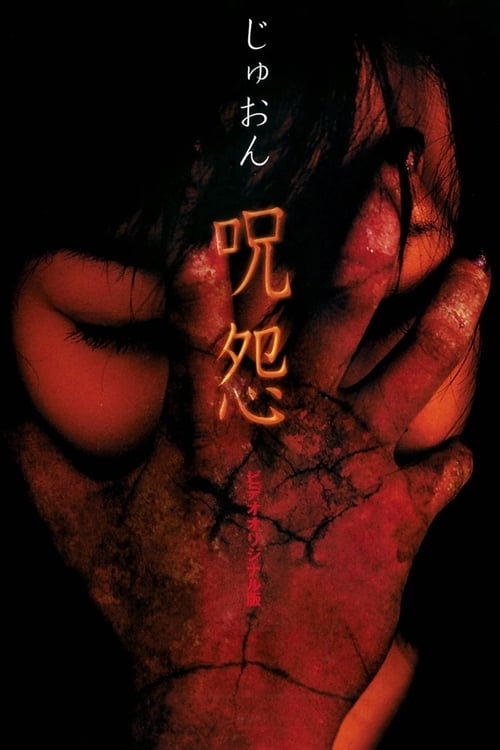
Quelques années après la série "Ju-On" (tant la version japonaise que la version américaine), le réalisateur Takashi Shimizu revient avec un film d'horreur qui plonge encore ses racines dans la colère des morts, la quête de la paix et le sentiment de vengeance. Avec son "Rinne" ("Réincarnation" pour la distribution internationale), il analyse le thème de la réincarnation comme moyen de revenir du passé.
Comme beaucoup de films post "Ringu" du genre J-Horror, il ne brille pas par son originalité. Bien ou mal, il ressemble à d'autres productions d'Extrême-Orient, mais aborde un thème comme la réincarnation de manière efficace. Initialement peu clair, le film se développe progressivement en nous présentant les nombreux personnages, un peu trop nombreux, tous affligés de étranges visions se déroulant à l'intérieur de l'hôtel au toit vermillon où, des années plus tôt, s'est déroulée la tuerie.
L'histoire est très simple. Il s'agit d'une ghost-story méta-cinématographique dans laquelle un film est tourné dans le film, basé sur des événements survenus des années plus tôt dans l'Overlook Hotel du Soleil Levant. Oui, car il s'agit d'un véritable hommage à l'éternel chef-d'œuvre de Kubrick, à commencer par l'hôtel lui-même, similaire par suggestion (et par la couleur rouge prédominante), puis passant par la possession par des personnes liées aux faits (ou réincarnation) jusqu'à arriver à une citation des jumelles qui invitent Danny à jouer avec elles "pour toujours", phrase prononcée en continu par la poupée effrayante.
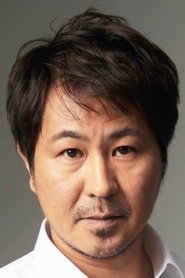
On comprend rapidement qu'il y a une affinité entre les personnages du film et les victimes du professeur devenu fou. Le réalisateur lui-même (du film dans le film), interprété par un nerveux Kippei Shiina, a compris qu'il se passe quelque chose de étrange, de terrifiant et croit que la réalisation du film peut, d'une certaine manière, apaiser les fantômes.
Par moments, le scénario est confusionnaire, surtout dans la partie centrale, mélangeant littéralement les personnages et il est difficile de suivre le complexe jeu d'associations. Certains passages ne sont pas bien compris en raison du grand nombre d'acteurs, tous similaires entre eux. Entre les victimes du passé, les victimes du présent, dans la vie et sur le plateau, nous avons une foule qui, malheureusement, ne favorise pas la compréhension complète du film. Cependant, à la fin, l'intention de l'histoire est claire et il parvient même à surprendre car le coup de scène final arrive de manière inattendue, mais peut-être, à cause de l'approximation habituelle du scénario typique des films orientaux, beaucoup de choses doivent être acceptées et c'est tout, peut-être par culture, peut-être par choix. Néanmoins, le déroulement est intrigant et même s'il ne sera pas remembered comme le film le plus fluide de l'histoire ou le meilleur film d'horreur japonais, il laissera quand même un sentiment de satisfaction globale, surtout en ce qui concerne certaines scènes bien choisies.
Moins de frayeurs par rapport à "Ju-on" et apparentés, également en raison des expédients pour terrifier qui sont désormais toujours les mêmes : apparitions soudaines dans l'ascenseur, présences qui marchent derrière, enfants cadavériques avec un regard menaçant. Dans ce cas, c'est une poupée qui règne en maître, qui joue un rôle de liaison du début à la fin et qui inquiète au bon moment, surtout dans la fin recherchée.
Même la mort ne nous séparera pas des erreurs commises, du sentiment de culpabilité et, comme la poupée le répète sans cesse, nous resterons ensemble pour toujours.
Retirer la moitié de la citrouille.
Commentaires
Commentaires (0)





Commentaires