









The Verdict
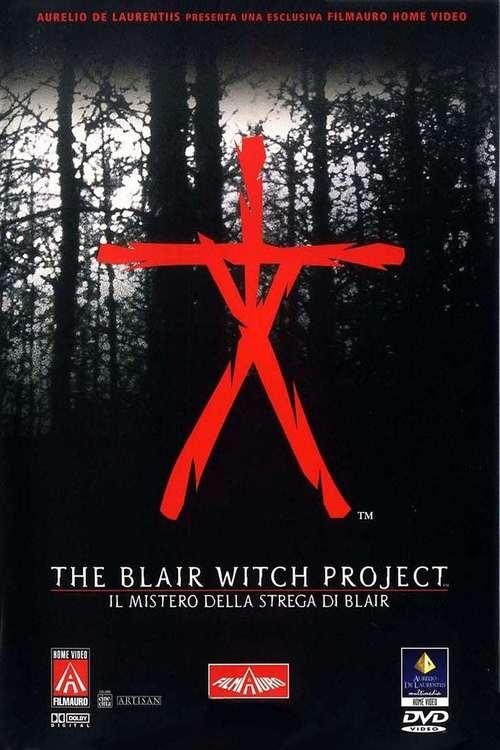
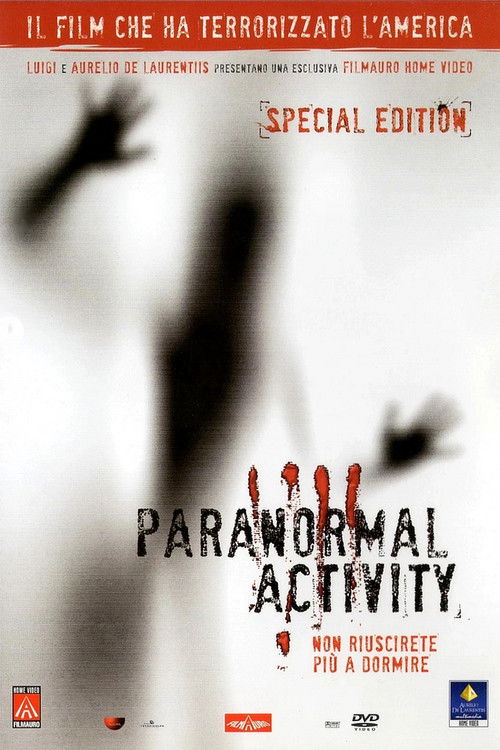
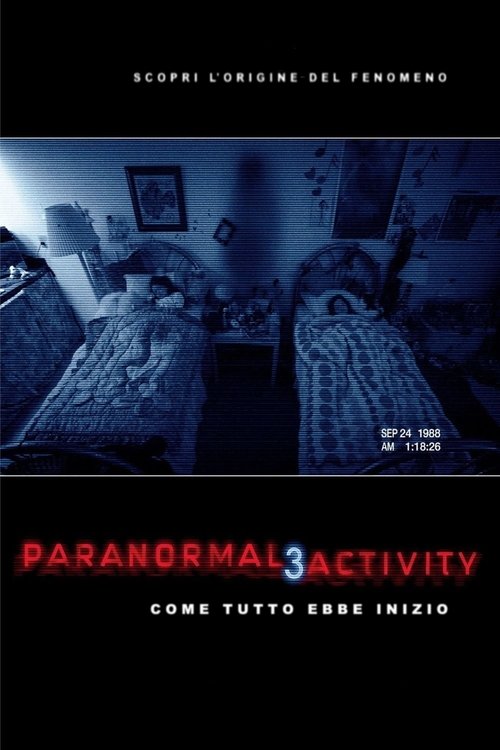
Found footage was, at the beginning of the third millennium, the greatest linguistic revolution in horror cinema. After The Blair Witch Project rewrote the rules of fear in 1999, it was Paranormal Activity that turned it into a mass phenomenon and Cloverfield that brought it to the scale of blockbusters.
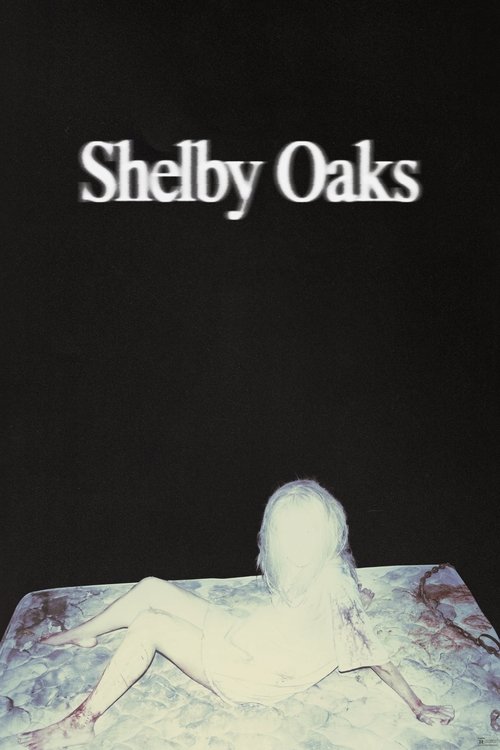
Found footage was, at the beginning of the third millennium, the greatest linguistic revolution in horror cinema. After The Blair Witch Project rewrote the rules of fear in 1999, it was Paranormal Activity that turned it into a mass phenomenon and Cloverfield that brought it to the scale of blockbusters. Since then, the genre has worn out, reinvented itself, been contaminated… until it became a set of tools integrable into more traditional horror cinema. Shelby Oaks – The Lair of Evil, Chris Stuckmann's feature film debut, starts exactly from these suggestions but merges them with the new major contemporary trend: true crime, fuel for much of the streaming platforms' offerings. A hybrid that seems to be the most natural direction for current horror, and yet Shelby Oaks surprises because this reference is just bait: after the first quarter of an hour of mockumentary, the film changes its skin, abandons the fake reportage aesthetic, and heads towards classic fictional horror, while retaining the imprint of "investigative mystery" that gives it its identity.
The plot revolves around Mia (Camille Sullivan), a woman obsessed with the disappearance of her sister Riley (Sarah Durn), one of the members of the "Paranormal Paranoids," a band of "paranormal hunters" who had built a small cult on the web. After many months since the disappearance of Riley and her colleagues, new traces suddenly emerge through a mysterious film shot in the ghost town of Shelby Oaks; thus Mia decides to reconstruct her sister's last movements, convinced that Riley's disappearance is linked to a mysterious entity that has been pursuing her since childhood.
The greatest strength of Shelby Oaks is precisely the blend between logical investigation and supernatural drift. Stuckmann – who wrote the film with his wife Samantha Elizabeth and funded it via crowdfunding on Kickstarter, before Mike Flanagan intervened as executive producer – demonstrates a remarkable sense of horror staging, constructing some truly memorable sequences. The games with darkness, the "I see-I don't see," the camera placed at strategic points to exploit the dead spaces of the frame lead to two or three moments of authentic terror. Not the easy fear, but that type of unease that arises when perception cracks and the viewer receives clues to understand what is happening.
The weakest part, however, is the writing. Stuckmann senses an interesting mythology but does not always delve into it: certain dynamics regarding the entity known as Tarion and the cult that feeds it remain vague, some characters come and go without really making an impact, and the ending arrives too abruptly. It's as if the film is afraid of explaining too much and, at the same time, says too much anyway with unnecessary concessions to visual sensationalism. The result is a quick closure generated by obvious cinephile influences (someone said Rosemary's Baby and Omen – The Omen?), which do not give the viewer time to really process the plot twists.
In conclusion, Shelby Oaks – The Lair of Evil is an imperfect but effective horror film, a child of cinema that returns to putting the unsettling at the center rather than the easy jumpscare. It lacks narrative cohesion and a truly satisfying ending, but when it decides to press on the fear pedal, Stuckmann demonstrates a notable talent in building the atmosphere and instilling fear.
Comments
Comments (0)










Comments