












Le Verdict
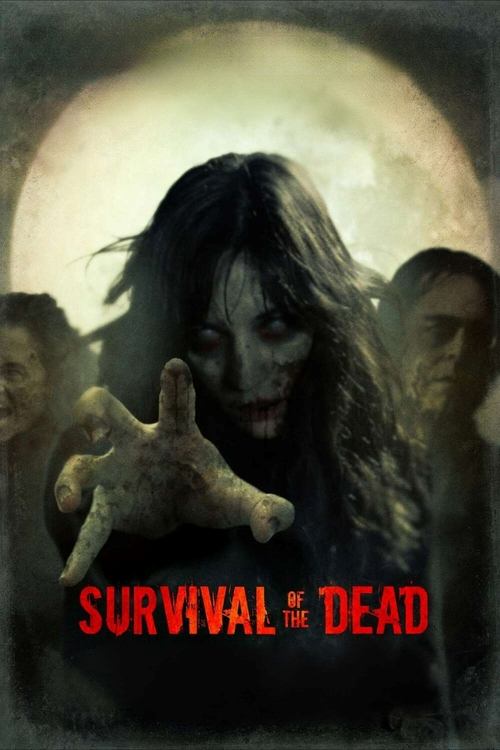
Les morts ressuscitent de leurs tombes et les deux familles qui habitent l'île de Slaughter, au large des côtes de la Pennsylvanie, alimentent leur rivalité historique, s'opposant sur le sort à réserver aux morts-vivants.
Les morts ressuscitent de leurs tombes et les deux familles qui habitent l'île de Slaughter, au large des côtes de la Pennsylvanie, alimentent leur rivalité historique, s'opposant sur le sort à réserver aux morts-vivants. Seamus Muldoon voudrait tenter de les rééduquer pour une coexistence avec les vivants, tandis que Patrick O'Flynn veut les éliminer parce qu'il croit que leur agressivité est supérieure à leur capacité d'apprentissage. Muldoon prend le dessus et Patrick est exilé de l'île.
Trois semaines plus tard, un groupe de soldats, rejoints par un jeune homme, trouvent sur Internet le message de Patrick O'Flynn invitant quiconque écoute la communication à s'embarquer vers Slaughter Island, un lieu sûr et non contaminé par les morts-vivants. Les soldats suivent le conseil et arrivent sur l'île accompagnés par O'Flynn lui-même, mais naturellement la situation n'est pas aussi idyllique qu'elle était décrite.
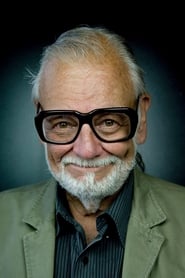
À 70 ans, George A. Romero continue imperturbablement à nous raconter sa vision de la société contemporaine à travers la lentille déformante de la métaphore horrifique. Le moyen est toujours le cinéma d'horreur, le sujet principal est encore une fois le mort-vivant lent et titubant qui a fait la fortune du réalisateur et a révolutionné le cinéma d'horreur. En réalité, Romero a confessé lors d'une récente interview (à l'occasion de la présentation de "Survival of the Dead" à Venise 2009) que, pour lui, tout ce qu'il y avait à dire sur les zombies a déjà été dit il y a longtemps (j'aime penser que c'était le magnifique et sous-estimé "La terre des morts-vivants" le véritable point d'arrivée de la vision romerienne sur les morts-vivants) et qu'il est maintenant littéralement contraint d'insérer ses monstres dans les films sinon personne n'est prêt à investir dans ses œuvres. C'est une révélation très triste qui explique encore une fois l'obstination du système, piégé dans la répétition, dans un retour éternel qui conduit inévitablement au sacrifice des "rischiose" idées nouvelles pour se reposer sur des rivages sûrs, même si le projet est dirigé par un vétéran qui pourrait à lui seul garantir la sécurité et la qualité. Ainsi, Romero s'est à nouveau retrouvé avec des histoires de morts-vivants, il a presque recommencé une idéale deuxième saga en proposant le début de la contagion en respectant la règle du budget limité et du renouvellement du contenu. "Diary of the Dead" en 2007 a marqué ce nouveau départ, avec la nouveauté du langage mockumentary, l'insertion d'une constante ironie et l'envie d'attaquer sans vergogne le monde des médias de masse. En 2009, c'est le moment du sequel direct, pour la première fois dans l'univers zombiesque romerien, avec "Survival of the Dead", qui perd le langage mockumentary au profit d'une structure plus classique, maintient l'ironie et promeut au rang de protagoniste l'un des personnages secondaires du film précédent.
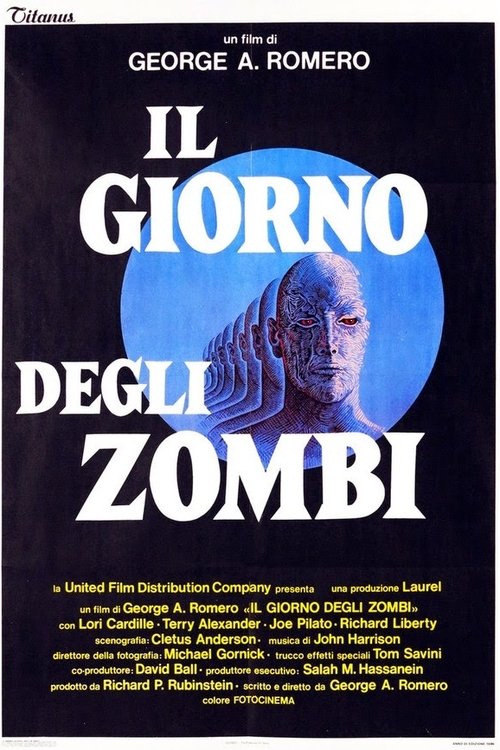
Malgré le lourd échec critique et public et la fatigue manifeste de l'auteur envers la figure du zombie, "Survival of the Dead" est quand même un film qui a sa raison d'être. D'abord, il ne perd pas de vue les deux directions qui devraient toujours être présentes dans chaque film pouvant être considéré comme réussi, à savoir le divertissement et la capacité à faire réfléchir. Romero parvient à construire un b-movie intelligent, un film extrêmement divertissant et rythmé dans lequel ce n'est pas la figure du zombie qui capte l'attention, mais celle de l'être humain, désormais vidé de tout éclat d'"humanité" et promu en menace encore plus grande que le cannibale revenu. "Survival of the Dead" n'a pratiquement pas de personnages positifs, il devient difficile de sympathiser avec quelqu'un et de s'identifier au héros du moment, puisqu'il n'y en a pas. Il suffit de penser que le protagoniste de l'histoire et le point de contact avec "Diary of the Dead" est le militaire brutal qui dirigeait le groupe de soldats qui dépouillaient les voyageurs, le symbole de l'antimilitarisme toujours déclaré de Romero. À lui se joignent une bande de "déserteurs" sympathiques mais incorrects, qui n'hésitent pas à exterminer un groupe d'humains et à voler un camionnette blindée. Ensuite, il y a les deux familles rivales et surtout les leaders qui les représentent, tous deux obtus et fermes sur leurs positions de manière à en arriver aux armes. Il y a Muldoon qui voit dans le mort-vivant l'être humain qu'il était de son vivant et qui voudrait tenter de faire ressortir un éclat de leur humanité en les éduquant à manger des légumes et de la viande animale plutôt que de la viande humaine. Le point de vue de Muldoon est noble et semble presque guidé par les idéaux qui ont porté le docteur Ted "Frankenstein" Fisher de "Le jour des morts-vivants" à sa relation spéciale avec Bub. De point de vue opposé, O'Flynn, qui ne croit pas à la rééducation du zombie et préfère faire exploser la tête de chaque mort qui revient à la vie, même s'il s'agit de la personne qui lui est la plus chère, au nom de la sauvegarde de la race humaine et, en particulier, de la communauté. Les deux leaders sont dépeints comme des arrivistes cyniques, plus intéressés par la démonstration de leurs raisons respectives que par la réelle sauvegarde de la communauté et, en ce sens, il n'est pas très difficile de voir une métaphore de la méfiance de l'auteur envers les factions politiques qui s'affrontent dans la réalité pour le "dominion" du territoire, capables de dépenser de belles paroles destinées aux masses mais visant en fin de compte seulement à la sauvegarde de l'individu. Romero prend parti pour O'Flynn en peignant Muldoon comme un républicain texan moins cohérent avec les programmes exposés, mais il condamne finalement les deux. Et la rivalité que les deux ont toujours montrée est destinée à ne pas s'interrompre même devant la mort, soulignant ainsi la stupidité et la nature belliqueuse immortelle de l'être humain, véritable damnation de l'espèce.
Ce qui a le plus fait froncer le sourcil au public est le manque de centralité de la menace zombiesque et l'ironie parfois intrusive dans le film. En effet, cette fois, Romero n'a pas réussi à gérer les composantes de son film de manière impeccable. Déplacer l'attention du zombie à l'homme est compréhensible et appréciable, surtout en accueillant le désir de changement de la part de l'auteur, mais chaque fois que les morts-vivants apparaissent dans "Survival of the Dead", il manque le pathos et ce sens de danger que la situation exigerait. À l'exception du grand final, les scènes avec les zombies se résolvent par un coup de feu impavide dans la tête, comme si de rien n'était, perdant ainsi cette majesté horrifique que les films du réalisateur ont (presque) toujours eue. D'autre part, il y a cette ironie stupide que l'on ne s'attendrait pas et qui, à certains moments, est envahissante et capable de briser la tension exiguë. Un élément qui aurait dû être géré beaucoup mieux.
D'autres défauts dont "Survival of the Dead" souffre malheureusement sont une gestion et une définition peu attentives des personnages secondaires et un département des effets spéciaux décidément médiocre. Si ce dernier concerne la graphisme informatique, primitif et sûrement dicté par le budget très bas du film (environ 4 millions de dollars), qui est néanmoins limité à très peu de scènes, le manque d'écriture adéquate pour certains personnages est plus préoccupant car étranger à l'ancien Romero et confirme ce qui se passait déjà dans "Diary of the Dead".
Les défauts sont donc là, c'est incontestable, la verve que Romero démontrait avec ses créatures il y a quelques années s'estompe visiblement, "Survival of the Dead" reste néanmoins un excellent exemple de divertissement non dépourvu d'idées et tandis que le monde entier continue de produire des films de zombies qui dataient de trente ans, l'inspirateur, bien qu'emprisonné dans sa création la plus fortunée, sait parler d'autre chose, sait renouveler les langages et les contenus, même s'ils sont masqués par de vieux zombies lents et poussiéreux.
La règle est toujours la même aujourd'hui : lorsqu'il s'agit de morts-vivants, mieux vaut le pire Romero que la plupart de ses imitateurs.
Commentaires
Commentaires (0)






Commentaires