
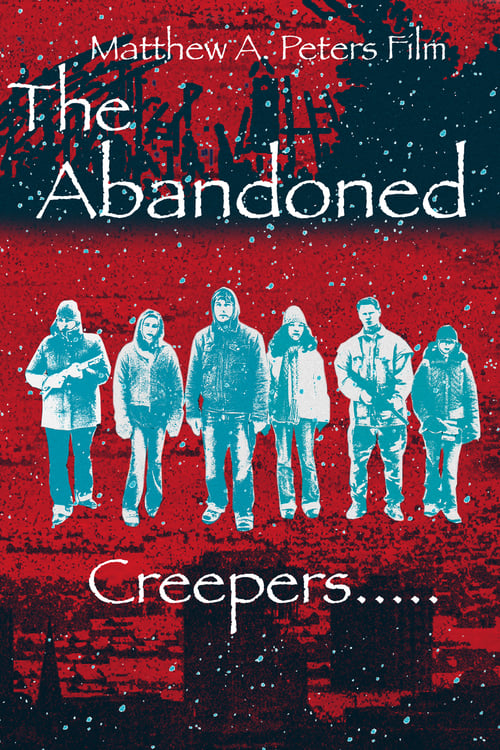
Il Verdetto
Marie è stata adottata quando era ancora una neonata; la madre è morta in circostanze misteriose abbandonando i due figli gemelli. Un giorno Marie, ormai adulta, riceve la telefonata di un notaio che le chiede di recarsi nel suo paese d'origine, la Russia, per firmare dei documenti relativi all'eredità della fattoria di famiglia.
Marie è stata adottata quando era ancora una neonata; la madre è morta in circostanze misteriose abbandonando i due figli gemelli. Un giorno Marie, ormai adulta, riceve la telefonata di un notaio che le chiede di recarsi nel suo paese d'origine, la Russia, per firmare dei documenti relativi all'eredità della fattoria di famiglia. Una volta sul posto, la donna decide di indagare sull'identità dei suoi genitori, di cui non ha mai avuto notizie. Dopo aver raggiunto la fatiscente abitazione, cominceranno a verificarsi strani eventi paranormali che la porteranno indietro nel tempo, facendole scoprire una terribile verità.
Dopo l'eccellente “Trilogia della Morte”, opera pluripremiata in diverse parti del mondo, Nacho Cerdà si cimenta con il suo primo e attesissimo lungometraggio. Accantonato l'elemento gore di “Aftermath” ed il pathos romantico di “Genesis”, il regista spagnolo sfrutta il tema soprannaturale per confezionare un prodotto nel complesso poco convincente. Per la realizzazione del film Cerdà si avvale della collaborazione di Karim Hussain (“Subconscious Cruelty") e Richard Stanley
("Hardware", "Dust Devil") in veste di sceneggiatori e Xavi Giménez ("Nameless", "Darkness", "Fragile", "L'Uomo Senza Sonno") come curatore della fotografia. Ancora una volta Cerdà dà prova delle sue ottime doti tecnico-artistiche: come sempre elegante e raffinata la regia, curata e pulita al punto giusto; incantevole la fotografia, che esalta colori freddi e cupi a supporto delle affascinanti location esterne e tonalità grigie che predominano nelle polverose camere della casa. L'ambientazione è quella tipica delle ghost story: un'abitazione diroccata immersa in un bosco quasi fiabesco e sinistro; nessuna strada ma solo un ponte interrotto e un fiume che circonda la vegetazione. In effetti, il film sembra puntare tutto sulla creazione dell'atmosfera perdendo completamente di vista il
plot. La costruzione narrativa appare fin da subito confusa e si evolve in modo incerto e poco lineare: non si capisce insomma dove si voglia andare a parare. Nonostante sia stata scritta a più mani, la sceneggiatura è infatti lacunosa e per nulla incisiva. Dal momento in cui la protagonista entrerà nella casa tutti i cliché del genere verranno a galla senza troppe sorprese: apparizioni spettrali, scricchiolii, ombre e inseguimenti misteriosi. Il tutto supportato sempre da una perfetta messa in scena che, per quanto apprezzabile possa essere, non rende la pellicola memorabile né tanto meno originale. Ben girate ed inquietanti le sequenze che mostrano i doppelganger (i “doppi”) di Marie e del fratello gemello, così come il finale “beffa”.
A parte qualche momento particolarmente suggestivo, per il resto assistiamo ad una storia piuttosto banale e malamente intrecciata che si adagia su ritmi lenti e poco coinvolgenti.
“The Abandoned” è un'opera riuscita a metà, esteticamente perfetta ma anonima nel contenuto. Cerdà cede alla tentazione di esibire i suoi manierismi di stile perdendosi in inutili fronzoli e dimenticando che la buona riuscita di un film non dipende solo da belle immagini e inquadrature perfette. Guardarlo senza troppe aspettative probabilmente ve lo farà apprezzare di più, ma siamo comunque lontani anni luce dai capolavori del passato.
Aggiungete mezza zucca.
Commenti
Commenti (0)

Commenti