








El hombre elefante backdrop
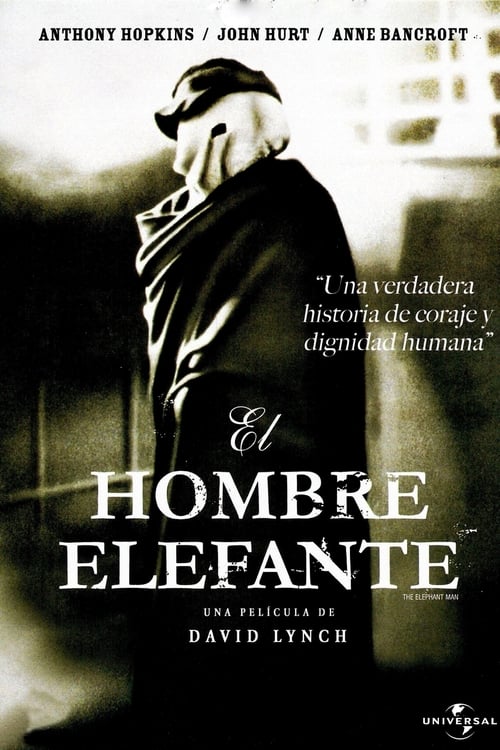
El hombre elefante poster

EL HOMBRE ELEFANTE

The Elephant Man

1980 • US HMDB
octubre 9, 1980

A finales del siglo XIX, el doctor Frederick Treves descubre en un circo a un hombre llamado John Merrick. Se trata de un ciudadano británico con la cabeza monstruosamente deformada, que vive en una situación de constante humillación y sufrimiento al ser exhibido diariamente como una atracción de feria.

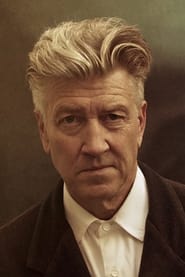
Directores

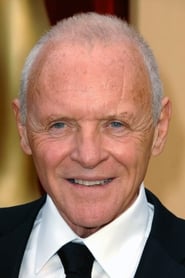
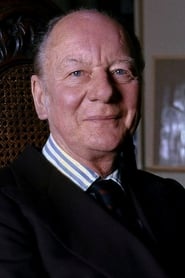
Reparto

Comentarios

Equipo

Produccion: Jonathan Sanger (Producer)Stuart Cornfeld (Executive Producer)Mel Brooks (Producer)
Guion: David Lynch (Screenplay)Eric Bergren (Screenplay)Christopher De Vore (Screenplay)
Musica: John Morris (Original Music Composer)
Fotografia: Freddie Francis (Director of Photography)

RESEÑAS (1)

Marco Castellini

•
John Merrick, un hombre nacido horriblemente deformado, es explotado por un hombre sin escrúpulos como fenómeno de feria. El doctor Frederick Treves asiste por casualidad a uno de sus "espectáculos", se compadece y decide liberarlo, rescatándolo de su explotador. John es entonces instalado en un alojamiento del hospital donde trabaja el mismo médico, pero luego es secuestrado y devuelto a su explotador. Logra liberarse nuevamente, pero cuando regresa al hospital ya no hay nada que hacer por él, su ya precaria situación física ha empeorado aún más y lo lleva a la muerte. Un emocionante clásico basado en una crónica real y fotografiado en un espléndido blanco y negro por Freddie Francis. Más que una película de terror, se trata de un drama, con un excelente elenco (en el que destaca un excelente Anthony Hopkins) bajo la dirección del excéntrico Lynch que esta vez no se permite ninguna "excentricidad". Una película conmovedora, a veces desgarradora, que envía un mensaje claro: el verdadero horror no es el exterior, representado por los horribles rasgos del hombre elefante, sino el mucho más terrible que se esconde en el alma de las personas. El pobre John pasa de la condición de esclavo de un miserable y despiadado explotador, a conejillo de indias para estudiosos, hasta convertirse en capricho de nobles y monarcas, sin ningún respeto o casi por su naturaleza humana. La película obtuvo ocho nominaciones a los Oscar pero no ganó ninguno, aunque ciertamente un premio lo habría merecido la excelente interpretación de John Hurt en el papel del desafortunado John Merrick alias Elephant Man, teniendo en cuenta la "dificultad" de actuar bajo pesadas capas de maquillaje.

Comentarios

Dónde Ver

Streaming

MUBI MUBI
MUBI Amazon Channel MUBI Amazon Channel
Raro Video Amazon Channel Raro Video Amazon Channel

Alquilar

Apple TV Apple TV
Amazon Video Amazon Video
Google Play Movies Google Play Movies
Timvision Timvision

Comprar

Apple TV Apple TV
Amazon Video Amazon Video
Google Play Movies Google Play Movies
Timvision Timvision

RESEÑAS DE LA COMUNIDAD (2)

Wuchak

Wuchak

7 /10

The ultimate outcast

In 1884 London, a doctor (Anthony Hopkins) meets Joseph Merrick, aka The Elephant Man (wrongly called John Merrick in the film) who was being exploited as a freak show attraction. Treves (Hopkins) tries to help Merrick (John Hurt) for the last six years of the latter’s life wherein he becomes cultured, but he inevitably remains an object of curiosity, to high society as well as low society. Anne Bancroft plays a winsome entertainer who is warm toward Merrick.

Directed by David Lynch and shot in B&W, “The Elephant Man” (1980) is a melancholic biographical movie, and understandably so, but Merrick’s story is worth checking out despite the fact that it inspires pity. It calls into question the concept of beauty: Natural beauty is something one is born with and did nothing to acquire, but so is physical unattractiveness. Then there’s inner beauty. The charismatic actress (Bancroft) displays both. Of course there’s also inner ugliness, like the carnival huckster.

A myth developed about Merrick’s disfigurement that his mother was raped by an elephant, probably started by sideshow hawkers. The opening conveys this in an artistic manner, but it’s not to be taken literally, which is why it’s surreal. Meanwhile the factory scenes with the pipes and corresponding dangers exhibit the reality for workers in Victorian times.

The score by John Morris is noteworthy with one piece being ripped-off for the moving parts of “Platoon” (1986), e.g. Elias’ melodramatic death scene.

The film runs 2 hours, 4 minutes, and was shot entirely in London and nearby Shepperton Studios, just west of the city.

GRADE: B

CinemaSerf

CinemaSerf

8 /10

Saw this, recently up-converted to 4K at the London Film Festival and, apart from the clear improvements to the quality and detail of the image, I was reminded of just how good it is. Anthony Hopkins and Anne Bancroft play their roles with engaging sincerity - very ably supported by Sir John Gielgud and Dame Wendy Hiller. Prosthetics aside, John Hurt captures both the despair and optimism of Merrick with empathetic style; and Freddie Jones is just downright evil as "Bytes". His son Toby was at the screening and I couldn't help but wonder when he watched this portrayal by his father whether the pride in the performance must have been tempered by a disgust in the character, itself!! This film doesn't seem to do the rounds very often, nowadays, but it holds up very well after almost 40 years and is really a gem.

Reseñas proporcionadas por TMDB