A Defiant Handcrafted Miracle in an Age of Plastic Cinema
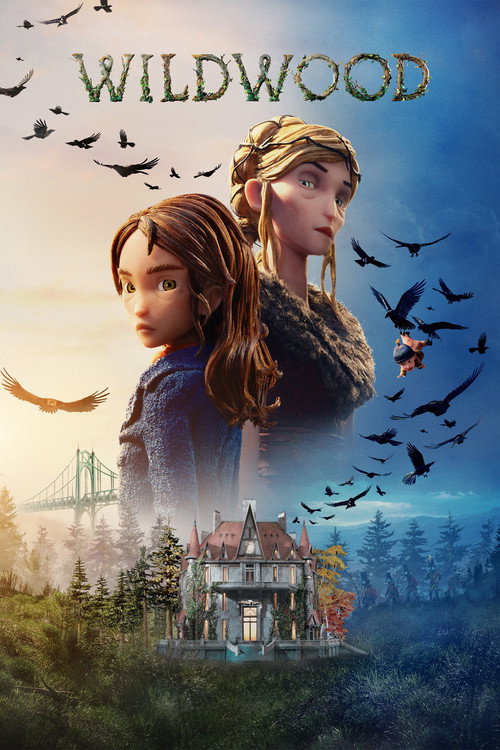
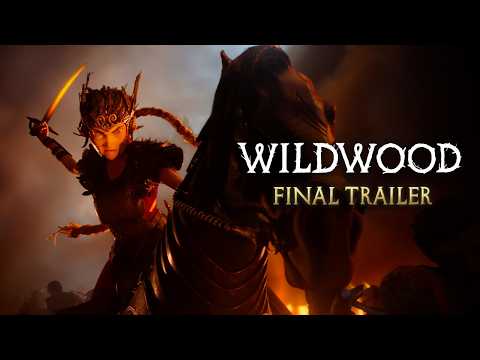
There is a moment early in Wildwood when the Pacific Northwest sun filters through a canopy of moss draped Douglas firs, catching the frayed thread of Prue McKeel’s knit sweater and the subtle, microscopic wobble of miniature resin leaves. You can practically smell the rain-soaked soil. In an era where cinema is increasingly assembled inside sterile server racks, seeing actual physical matter sculpted, painted, dressed, and nudged twenty-four times a second by human hands feels less like watching an animated film and more like witnessing an act of sheer spiritual rebellion. For years, mainstream big-budget filmmaking has drifted toward the frictionless. Modern Disney productions often look undeniably expensive yet buffed to such algorithmic, glossy perfection that nothing has grit or texture. Marvel blockbusters routinely drown their actors in gray, weightless green-screen voids where fists land without kinetic impact and landscapes dissolve into muddy CG slurry. And looming over all of it is the grim specter of generative AI—a technology obsessed with eliminating the "inconvenience" of human labor to crank out slick, soulless pastiches.
Wildwood takes that entire technological philosophy, looks it directly in the eye, and spits in its face.
Every frame of this film is an ode to the labor of the thumbprint. You feel the physical mass of the puppets, the tactile friction of bespoke textiles, and the intricate clockwork joints hidden beneath the fur of talking coyotes and mechanical birds. When a chase sequence tears through the Impassable Wilderness, branches whip with genuine resistance. When a murder of crows swoops down upon a playground, the terror isn’t rendered via procedural crowd-simulation particles; it is choreographed with blood, sweat, and micro-tweezers. Laika has always pushed stop-motion, but here, director Travis Knight achieves something bordering on madness.
Knight, who previously directed Kubo and the Two Strings, directs Wildwood not like someone constrained by the physical limits of miniature stages, but like David Lean tackling high fantasy. Clocking in at well over two hours across more than a hundred built physical sets, this is the longest and most staggeringly ambitious stop-motion film ever mounted. Cinematographer Caleb Deschanel lights these miniature stages with the moody naturalism of an arthouse period drama, while Dario Marianelli’s sweeping, melancholy score imbues the forest with centuries of forgotten lore.
The visual design is directly indebted to Carson Ellis’s original storybook illustrations for Colin Meloy's novel, yet it expands outward into something epic. The vocal performances give the physical puppets real emotional gravity, Peyton Elizabeth Lee anchors Prue with just the right mix of teenage exhaustion and fierce resolve, while Carey Mulligan gives the Dowager Governess an operatic, tragic menace that elevates the conflict beyond simple fairy-tale villainy.
The lone half-star deduction comes strictly from the narrative tightrope walk. Meloy’s novel is a sprawling, digressive beast, and in cramming its dense political factions, magical hierarchies, and climactic battlefield skirmishes into a single feature, the second half occasionally suffocates under the sheer weight of its own world-building. A couple of poignant character beats get cut short to make room for yet another factional standoff or mythology dump.
Yet even when the plot races, the imagery halts you in your tracks. Wildwood is a monumental reminder of why we fell in love with movies in the first place. It stands as definitive proof that the flaws, textures, patience, and deliberate devotion of human artists will always outshine whatever smooth, automated illusion a machine tries to sell us. A genuine triumph of craft over convenience.












 Enter
Comments