



El Veredicto
1983. Owen, un niño de doce años, vive con su madre en un edificio de Los Alamos, en Nuevo México.
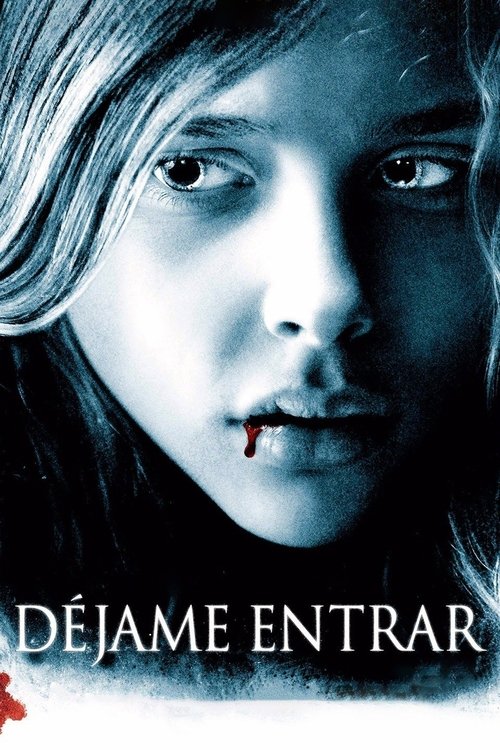
1983. Owen, un niño de doce años, vive con su madre en un edificio de Los Alamos, en Nuevo México. La vida del niño transcurre en soledad, entre largos momentos en el patio de su casa y las terribles burlas de tres matones que lo molestan todos los días en la escuela. Una noche, en el apartamento contiguo al de Owen, se muda Abby, una extraña niña que va descalza por la nieve y solo aparece cuando se pone el sol. Inicialmente desconfiada, Abby comienza a acercarse a Owen y entre los dos nace una amistad. Pero Abby es un vampiro y tiene una necesidad continua de sangre.
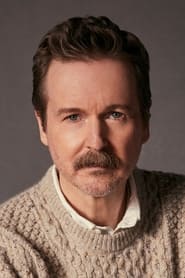
La Hammer Film Productions, histórica y gloriosa casa de producción anglosajona, ha sido resucitada, ha cambiado de dueño pero parece haber comenzado con intenciones similares a las del pasado. Si en "The Resident" quisieron como coprotagonista a Christopher Lee, rostro histórico de Dracula y tantos otros films hammerianos, con "Blood Story" han operado bajo un doble aspecto: recuperación del icono del vampiro y remake de una película preexistente. Pero esta vez no hablamos de películas realizadas hace un par de décadas o más, como fue el caso de Dracula, Frankenstein o la Momia, sino de una obra recién producida, la hermosa e innovadora "Déjame entrar" que el noruego Tomas Alfredson realizó en 2008 a partir de la exitosa novela de John Ajvide Linqvist. Además, a diferencia de lo que sucedió con las mencionadas iconos, esta vez la Hammer no decidió reformular completamente la historia original, sino que permitió al director y guionista Matt Reeves construir un remake-fotocopia, que no es tanto una versión más del libro de Linqvist, sino un remake del film de Alfredson, dadas las mismas pequeñas infidelidades a la obra original que se repiten aquí.
Por lo tanto, como ocurrió con los remakes rápidos como "Quarantine", se reflexiona más sobre la utilidad de operaciones como estas hasta tratar de comprender su razón de ser, que se encuentra solo y exclusivamente si se mira todo desde la óptica estadounidense. En los Estados Unidos no se doblan las películas extranjeras y, por lo tanto, las que llegan tienen el idioma original con subtítulos, y es obvio que los productos en estas condiciones tienen una distribución/visibilidad limitada y, seguramente, no son para todos. "Déjame entrar" de Alfredson tuvo el mismo destino y "desperdiciar" una historia tan hermosa de esta manera habría sido una pena, por lo que se inició la operación remake y este procedimiento vale para cada película reciente no estadounidense remakeada por los estadounidenses. Obviamente nosotros, los europeos, los italianos, que tenemos la posibilidad de disfrutar de ambas versiones indistintamente, debido a la tradición cinematográfica basada en el doblaje, nos indignamos ante estas operaciones y no es raro que comencemos con denuncias de racismo y/o poder globalizante de la industria cultural estadounidense sin saber realmente cómo funciona el mercado. Con esto no quiero justificar en absoluto operaciones de este tipo, pero también hay que pensar en el hecho de que "Déjame entrar" es una película hermosa y "Blood Story" solo pierde la comparación porque ya hemos visto el original y se nos estimula la sensación de total déjà vu, de lo contrario la calidad de la película de Reeves sigue siendo muy alta.
El director de "Cloverfield" reescribe la historia de la pequeña vampira ambientándola en el Nuevo México de la era Reagan y suavizando las ambigüedades morbosas/sexuales que se escondían en la otra película y, sobre todo, en la novela. Esta es la diferencia principal: Abby es una vampira femenina, no hay ningún elemento que pueda atestiguar su anterior sexualidad, así como ese halo de homosexualidad incipiente que parecía envolver al personaje de Oskar no se repite en Owen, definiendo así de manera más nítida los roles sexuales de los dos niños. También el aspecto pedófilo que allí vinculaba a la vampirita con su tutor aquí es ligeramente reducido por el hallazgo por parte de Owen de una "prueba" que aclara la relación indefinida que hay entre el anciano y la niña. A su vez, sin embargo, Reeves acentúa el aspecto más estrictamente de terror, dando a la vampira un aspecto más monstruoso cuando tiene hambre, haciéndola moverse de manera innatural y más animal cuando está cazando y derramando más sangre en los asesinatos que resultan así más violentos.
Reeves se muestra excelente detrás de la cámara, prefiriendo planos fijos, ángulos extraños y "incómodos", reflejos y esparciendo una fascinante atmósfera de estática resignación que se adapta bien al tema de la soledad, predominante en el relato. En muchos aspectos, el estilo de Reeves, completamente opuesto al de la anterior "Cloverfield", recuerda al primer Shyamalan, el de "El sexto sentido" y "Sin límites", para entendernos, dando a la película una clara connotación vintage. Buen trabajo de Greig Fraser en la fotografía, que tiende a resaltar los colores cálidos a pesar de que la película está ambientada durante un invierno nevado y muy buena también la banda sonora de Michael Giacchino, que prefiere los sonidos de atmósfera, a menudo también poco musicales.
Es interesante notar cómo Reeves ha caracterizado bien a todos los personajes, centrándose más en el universo infantil. En esencia, cada personaje presente en la historia se muestra desde el punto de vista de Owen, por lo que la madre ausente nunca se muestra de frente, el padre es solo una voz al teléfono, el profesor de educación física es básicamente un inútil aunque voluntarioso, la vecina un objeto de deseo inalcanzable y el policía una impotente víctima de sacrificio. Obviamente todo esto también ocurría en la película de Alfredson, pero Reeves ha logrado readaptar y quizás exagerar todo.
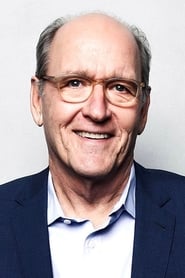
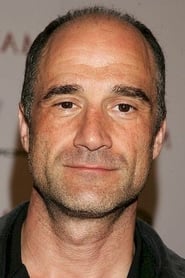
Nada que decir sobre el trabajo de los actores: perfectos los dos niños protagonistas Kodi Smit-McPhee, ya visto junto a Viggo Mortensen en "La carretera" y Chloe Moretz, inolvidable Hit Girl en "Kick-Ass". A su lado, es deber mencionar a los siempre buenos Richard Jenkins ("El invitado inesperado") en el papel del tutor de Abby y Elias Koteas ("El mensajero") en el del policía que se encarga del caso de las misteriosas muertes.
"Blood Story" es tan hermosa como innecesaria. Stephen King la ha definido como la mejor película de terror de los últimos veinte años, una afirmación quizás un poco exagerada pero comprensible…solo que Stephen King probablemente es uno de los muchos estadounidenses que no han visto "Déjame entrar".
Mira el Backstage de BLOOD STORY
Comentarios
Comentarios (0)




Comentarios