









Blood Story backdrop
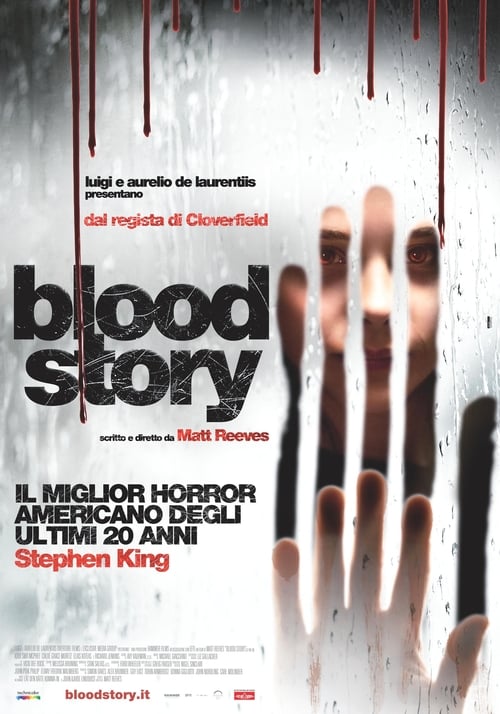
Blood Story poster

BLOOD STORY

Let Me In

2010 SE HMDB
ottobre 1, 2010

Chloe Moretz è Abby, una misteriosa dodicenne che trasloca nell'appartamento a fianco di Owen, fragile ragazzino facile preda del bullismo. Nella sua devastante solitudine, Owen finisce per legarsi alla nuova vicina, dapprima senza intuire quel che di misterioso e pericoloso si nasconde in lei. Ma quando una serie di efferati omidici colpisce la cittadina del New Mexico, Owen deve confrontarsi con una scoperta agghiacciante e dolorosa: la sua innocente amichetta è in realtà un crudele vampiro chiuso in eterno nel corpo di una bimba.

Cast

👍 👎 🔥 🧻 👑

Commenti

Commenti (0)

Troupe

Produzione: John Nordling (Producer)Fredrik Malmberg (Executive Producer)John Ptak (Executive Producer)Guy East (Producer)Simon Oakes (Producer)Donna Gigliotti (Producer)Nigel Sinclair (Executive Producer)Tobin Armbrust (Producer)Philip Elway (Executive Producer)Alexander Yves Brunner (Producer)Carl Molinder (Producer)
Sceneggiatura: Matt Reeves (Screenplay)
Musica: Michael Giacchino (Original Music Composer)
Fotografia: Greig Fraser (Director of Photography)

RECENSIONI (1)

Roberto Giacomelli
1983. Il dodicenne Owen vive con la madre in una palazzina a Los Alamos, in New Mexico. La vita del ragazzino si svolge in solitudine, tra lunghi momenti nel cortile di casa e le terribili angherie di tre bulletti che lo infastidiscono ogni giorno a scuola. Una notte, nell’appartamento accanto a quello di Owen si trasferisce Abby, una strana ragazzina che se ne va in giro a piedi scalzi sulla neve e si fa vedere solo quando tramonta il sole. Inizialmente diffidente, Abby comincia ad avvicinarsi ad Owen e tra i due nasce un’amicizia. Ma Abby è un vampiro e ha un continuo bisogno di sangue. La Hammer Film Productions, storica e gloriosa casa di produzione anglosassone, è resuscitata, ha cambiato proprietà ma sembra essere partita con intenti similari a quelli del passato. Se in “The Resident” hanno voluto come co-protaginista Christopher Lee, volto storico di Dracula e tanti altri film hammeriani, con “Blood Story” hanno operato sotto un duplice aspetto: recupero dell’icona del vampiro e rifacimento di un film preesistente. Ma stavolta non parliamo di film realizzati un ventennio prima o più, come fu per Dracula, Frankenstein o la Mummia, ma di un opera fresca di produzione, il bellissimo e innovativo “Lasciami entrare” che il norvegese Tomas Alfredson ricavò nel 2008 dal fortunato romanzo di John Ajvide Linqvist. Inoltre, a differenza di come era accaduto per le suddette icone, stavolta la Hammer non ha deciso di riformulare completamente la storia originale ma ha permesso al regista e sceneggiatore Matt Reeves di costruire un remake-fotocopia, che non è tanto una ulteriore versione del romanzo di Linqvist quanto un vero e proprio remake del film di Alfredson, viste le stesse piccole infedeltà all’originale di carta riproposte anche qui. Dunque, come era accaduto per remake lampo come “Quarantena”, si riflette più che altro sull’utilità di operazioni come queste fino a cercare di comprenderne il perché, che va puntualmente trovato solo ed esclusivamente se si guarda il tutto sotto l’ottica statunitense. Negli States non si usa doppiare i film stranieri e dunque quelli che giungono hanno la lingua madre con i sottotitoli, e va da se che prodotti in queste condizioni hanno distribuzione/visibilità limitata e sicuramente non sono per tutti. “Lasciami entrare” di Alfredson ha avuto la medesima sorte e “sprecare” una storia così bella in questo modo sarebbe stato un peccato, così è partita l’operazione remake e questa procedura vale per ogni film recente non americano rifatto dagli americani. Ovviamente noi europei, anzi italiani, che abbiamo la possibilità di usufruire di tutte e due le versioni indistintamente, vista la tradizione cinematografica affidata al doppiaggio, ci indigniamo di fronte a queste operazioni e non è raro che partiamo con denunce di razzismo e/o potere globalizzante dell’industria culturale americana senza sapere in realtà come funziona il mercato. Con questo non voglio giustificare in toto operazioni del genere, ma bisogna anche pensare al fatto che “Lasciami entrare” è un film bellissimo e “Blood Story” ne perde il confronto solo perché abbiamo già visto il precedente e ci viene stimolata la sensazione di totale déjà-vu, altrimenti la qualità del film di Reeves è comunque molto alta. Il regista di “Cloverfield” riscrive la storia della piccola vampira ambientandola nel New Mexico reaganiano e smussando le ambiguità morboso/sessuali che si celavano nell’altro film e soprattutto nel romanzo. È questa la differenza principale: Abby è una vampira femmina, non c’è più nessun elemento che possa testimoniare la sua precedente sessualità, così come quell’alone di acerba omosessualità che sembrava avvolgere il personaggio di Oskar non è riproposto in Owen, definendo così in modo più netto i ruoli sessuali dei due bambini. Anche l’aspetto pedofilo che lì legava la vampiretta al suo tutore è qui leggermente ridimensionato dal ritrovamento da parte di Owen di una “prova” che chiarisce l’indefinito rapporto che c’è tra l’anziano e la ragazzina. A sua volta, però, Reeves accentua il lato più prettamente orrorifico, dando alla vampira un aspetto più mostruoso quando è affamata, facendola muovere in modo innaturale e più animalesco quando è a caccia e spargendo più sangue nelle uccisioni che risultano così più violente. Reeves si mostra ottimo dietro la macchina da presa, prediligendo piani fissi, angolazioni strane e “scomode”, riflessi e spargendo un’affascinante atmosfera di statica rassegnazione che ben si lega alla tematica della solitudine, predominante nel racconto. In molti aspetti lo stile di Reeves, completamente opposto a quello del precedente “Cloverfield”, ricorda il primo Shyamalan, quello di “Il sesto senso” e “Unbreakable”, tanto per intenderci, dando al film una chiara connotazione vintage. Buon lavoro di Greig Fraser sulla fotografia, che tende ad esaltare i colori caldi malgrado il film sia ambientato durante un inverno nevoso e molto buona anche la colonna sonora di Michael Giacchino, che predilige i suoni d’atmosfera, spesso anche poco musicali. È interessante notare come Reeves abbia ben caratterizzato tutti i personaggi concentrandosi maggiormente sull’universo infantile. In pratica ogni personaggio presente nella storia è inquadrato sotto il punto di vista di Owen, dunque la madre assente non è mai inquadrata in viso, il padre è solo una voce al telefono, l’insegnante di educazione fisica è sostanzialmente un buono a nulla seppur volenteroso, la vicina di casa un’irraggiungibile oggetto del desiderio e il poliziotto un impotente vittima da sacrificare. Ovviamente tutto ciò accadeva anche nel film di Alfredson, Reeves però è riuscito a riadattare e forse estremizzare il tutto. Niente da dire sull’operato degli attori: perfetti i due bambini protagonisti Kodi Smit-McPhee, già visto al fianco di Viggo Mortesen in “The Road” e Chloe Moretz, indimenticabile Hit Girl in “Kick-Ass”. Al loro fianco è doveroso citare i sempre bravi Richard Jenkins (“L’ospite inatteso”) nel ruolo del tutore di Abby e Elias Koteas (“Il messaggero”) in quello del poliziotto che si occupa del caso dei misteriosi decessi. “Blood Story” è tanto bello quanto inutile. Stephen King l’ha definito il miglior film horror degli ultimi venti anni, affermazione forse un po’ esagerata ma comprensibile…solo che Stephen King probabilmente è uno dei tanti americani che non hanno visto “Lasciami entrare”. Visiona il Backstage di BLOOD STORY
👍 👎 🔥 🧻 👑

Commenti

Commenti (0)

Dove Guardare

Noleggio

Apple TV Apple TV
Rakuten TV Rakuten TV
Google Play Movies Google Play Movies
Chili Chili

Acquista

Apple TV Apple TV
Rakuten TV Rakuten TV
Google Play Movies Google Play Movies
Chili Chili

RECENSIONI DALLA COMMUNITY (2)

Rob

See the original, not this one.

s6kx

s6kx

6 /10

1. In the official promotional trailer for the film, Abby appears in some scenes violently shuddering or convulsing through a computer-generated visual effect before attacking one of her victims, and also when she entered Owen's apartment without being invited in. However, this computer-generated visual effect of this trembling or convulsion has been removed from the film's scenes and cannot be found within the movie. Therefore, one star out of ten will be deducted.

2. Actor Richard Jenkins, who plays the character believed to be Abby's father or guardian, pours a corrosive substance on his face to conceal his identity from the police for an unclear reason. If he wanted to die rather than be imprisoned, he could have simply shot himself. If he wanted to both conceal his identity and die so that the police couldn't identify him after death, he could have detonated a hand grenade on himself instead of pouring a corrosive substance on his face, as it would erase his features without notable suffering. I don't believe he wanted to hide his identity and live disfigured for the rest of his life, as imprisonment without disfigurement compared to the torture of disfigurement by a corrosive substance would be a better option. Therefore, he had two better alternatives than suffering disfigurement by a corrosive substance until death: the first option being imprisonment without disfigurement if he was willing to have his identity revealed, or the second option of detonating a hand grenade on himself if he was unwilling to have his identity revealed. Nevertheless, he chose the worst, illogical, unrealistic option which the film failed to justify. Why to such an extent did he not want his identity discovered? If that would endanger Abby, then why didn't the film clarify that? Even if we assume the film did clarify that, the hand grenade option would still be better for concealing identity and dying together. Don't tell me he didn't want to die when he used the corrosive substance or that he didn't know it would torture him to death. He undoubtedly knew. So why die in agony when he could die without notable suffering? Nothing can explain this except that he wanted to punish himself for his sins of killing many innocent people. But since the film didn't clarify this, I cannot rely on this justification nor can it be considered valid. He should have said something before pouring the corrosive substance, such as "Let this be atonement for my sins," for this justification to be valid and for me to accept it. Since that didn't happen, another star out of ten will be deducted.

3. When Owen sneaked out to Abby's house, he had left his home while his mother was sleeping on the couch in the living room. No scenes were filmed showing his arrival at Abby's house, her welcoming him, what they did that night, and how he ended up lying and sleeping on the floor of Abby's house despite the existence of better places to sleep. For example, he could have slept on the couch in Abby's living room, but he didn't. Why not? The reason was never clarified!

4. After the police officer played by actor Elias Koteas entered the bathroom where Abby was sleeping in the bathtub, Abby killed him, and in a later scene, we find that the police officer's body was hidden in a hole in the wall of an apartment frequented by a boy who used to live in the building, named Tommy. This boy appears to be Owen's friend, otherwise Owen wouldn't have known about his secret hideout where he goes to drink and smoke with his high school companions. Or perhaps Owen simply discovered this information by chance because he often loiters outside and voyeuristically watches people through his binoculars in his room. So one way or another, Owen was able to know about this place. But the problem doesn't lie here; it lies in the fact that the police officer's body was hidden in this place in an absurdly ridiculous manner. It wasn't shown who did this, but it was likely done by Abby or with Abby's participation. It's inconceivable that Abby, who is accustomed to killing, would hide the body without covering the hole with anything, whether through cement, plaster, a piece of wood, or an amount of pillow stuffing and fabric. Leaving the body exposed in this way was illogical for a character accustomed to killing because there was simply no benefit to hiding the body in this manner. They went through the trouble of hiding it without any purpose; the smell would emanate from it in a short period and spread throughout the neighborhood, and neighbors would soon smell it and bring the police. I know that Abby and Owen escaped at the end of the film, but their escape won't last as long as the body will be discovered within a few days of their escape. The body will be linked to their escape along with the recent rumors circulated by investigators, and it will be easy to find a connection between them even if it doesn't seem logical for children of their age. Their escape will create a question mark that forces investigators to discover what lies behind it. Therefore, it was mentally unacceptable for Abby, who is accustomed to killing, to bury the police officer's body in this way, which would expose her escape operation with Owen to discovery and then destroy their future together.

Recensioni fornite da TMDB