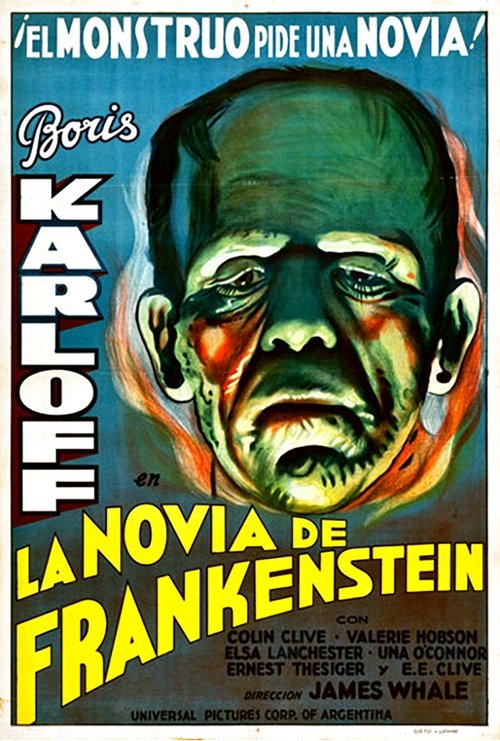
Dr. Frankenstein and his former mentor try to create a mate for the monster
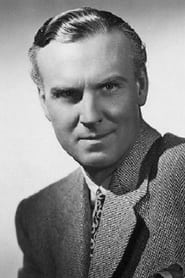
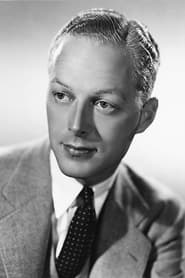
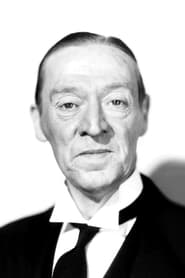
The monster (Karloff) survives the windmill burning of the previous film and wanders the countryside of Bavaria while Doctor Pretorius (Ernest Thesiger) approaches Baron Frankenstein (Colin Clive) with the idea of collaborating to create a mate for the monster, which presumably will domesticate him.
This Universal classic from 1935 was one of the first sequels to a mainstream film and arguably started the concept of a movie franchise or, at least, a cinematic trilogy: The 1931 movie, this sequel, and the follow-up “Son of Frankenstein” (1939) all feature Boris Karloff as the monster along with other overlapping actors and characters. It has a story arc and comes to a clear ending in the third flick.
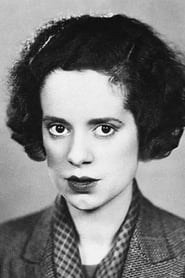
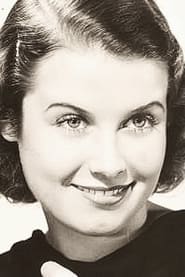
Valerie Hobson is a highlight on the female front as Elizabeth Frankenstein (replacing Mae Clarke from the first film). Meanwhile Elsa Lanchester plays the dual role of Mary Shelley and the titular character at the end.
The prologue presents a glaring issue since Mary conveys this sequel to Lord Byron and Percy Bysshe Shelley not long after the success of “Frankenstein,” which was published in 1818. Since the film obviously contains fashions & technology of the early 1930s mixed with elements of the 1800s (which the director described as an “alternate universe”), Mary would have to be predicting what it would be like in the distant future, at least 1899 (which is the tomb’s date on a recently deceased woman in the story).
This is one of those rare occasions where the sequel is better. It’s marked by increased camp (but not overkill), the monster’s memorable friendship with a blind man in the forest, and the fact that he learns to speak in a monosyllabic fashion (which Karloff objected to). It’s an iconic addition to the Frankenstein story, a Gothic horror tragedy highlighted by unforgettable renditions of the monster and his “bride.”
The B&W movie runs 1 hour, 15 minutes, and was shot entirely in the studio at Universal Studios in Greater Los Angeles.
GRADE: B+












Comentarios