



Dorian Gray backdrop
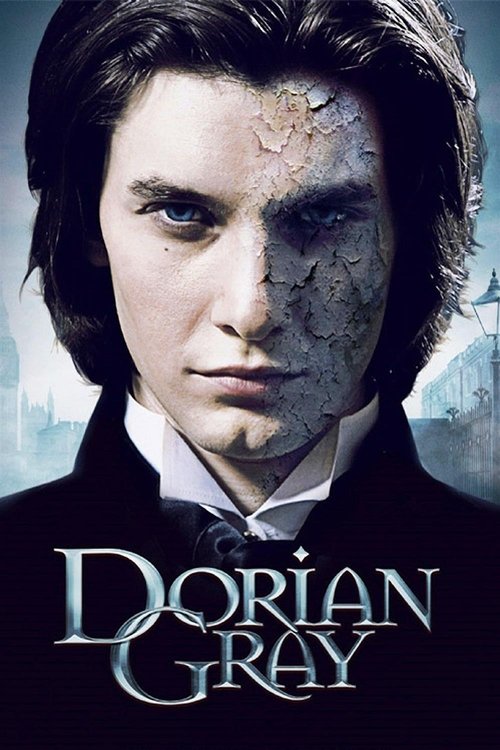
Dorian Gray poster

DORIAN GRAY

2009 GB HMDB
settembre 9, 2009

Dorian Gray è un giovane uomo che viene ritratto in un dipinto. Parallelamente all'intensificarsi della condotta di vita dissoluta del giovane, il ritratto muta invecchiando e mostrando i segni dei suoi eccessi, mentre l'uomo resta giovane e bello. Quando il vero amore entra nella vita di Dorian, l'uomo si rende conto di dover tenere nascosti i suoi segreti.

Cast

👍 👎 🔥 🧻 👑

Commenti

Commenti (0)

Troupe

Produzione: James Spring (Executive Producer)Paul Brett (Executive Producer)Tim Smith (Executive Producer)Simon Fawcett (Executive Producer)James Hollond (Executive Producer)Xavier Marchand (Executive Producer)Barnaby Thompson (Producer)
Sceneggiatura: Toby Finlay (Screenplay)
Musica: Charlie Mole (Original Music Composer)
Fotografia: Roger Pratt (Director of Photography)

RECENSIONI (1)

Roberto Giacomelli
Il ventenne Dorian Gray giunge a Londra dopo aver ereditato la magione di suo zio appena defunto. Ben presto l’ingenuo Dorian si affida agli insegnamenti di Lord Henry Wotton, che lo inizia ai piaceri della vita e lo spinge ad adottare la filosofia del ‘cogli l’attimo’. Dorian viene invitato a fare da modello per un ritratto dal pittore Basil Hallward; affascinato dalla sua stessa immagine dipinta, Dorian desidera di poter rimanere così giovane e bello per l’eternità e, come per magia, il suo desiderio si avvera. E’ il quadro ad accumulare le rughe dell’età e la putrefazione dell’anima di Dorian, mentre il suo corpo rimane sempre quello di un ventenne. Tra lungometraggi per il cinema, per l’home video ed episodi di serie tv, il personaggio di Dorian Gray ha avuto almeno una ventina di volti, da Hurd Hatfield in “Il ritratto di Dorian Gray” (1945) a Stuart Townsend in “La leggenda degli uomini straordinari” (2003), passando da Helmut Berger di “Il dio chiamato Dorian” (1970). Negli ultimissimi anni, poi, una incredibile mole di adattamenti dell’opera di Oscar Wilde stranamente sta invadendo il mercato, sentore questo di un rinnovato interesse per il personaggio partorito dalla mente del noto scrittore irlandese che poteva benissimo essere letta come presagio dell’arrivo imminente di un lungometraggio produttivamente più impegnato. E infatti, direttamente dalla Gran Bretagna e sotto la regia dello specialista wildiano Oliver Parker (“Un marito ideale”; “L’importanza di chiamarsi Ernest”), arriva sul grande schermo “Dorian Gray”. Stavolta il volto del giovinetto dall’animo corrotto appartiene al ventottenne Ben Barnes, noto al pubblico per aver interpretato il Principe Caspian nel secondo capitolo (e presto anche terzo) di “Le cronache di Narnia”. Barnes non è un attore di grande esperienza e non ha assolutamente la padronanza scenica, è impacciato e acerbo e questo si nota in ogni sua entrata in scena. Però Barnes funziona, ha le fisique du role per interpretare Gray e, malgrado gli esiti, si nota anche che l’impegno da parte sua c’è tutto. Non un Dorian perfetto ma comunque un Dorian apprezzabile, forse uno dei pochi fino ad ora ad apparire credibile nella condizione di candore e ingenuità che precede l’iniziazione e la corruzione effettuata da Lord Wotton, dal momento che gran parte degli attori che fino ad ora hanno vestito i panni di Dorian Gray avevano un aspetto da filibustieri ancor prima di scoprire il potere del dipinto. In generale l’opera di Parker può considerarsi riuscita e apprezzabile sia per lo spettatore generico che per il conoscitore dell’opera letteraria d’ispirazione. Malgrado alcune libertà da parte dello sceneggiatore Toby Finlay, infatti, il film è piuttosto fedele al romanzo e riesce a ricrearne anche alcune atmosfere che puntano sul decadimento morale del protagonista e, di riflesso, della società inglese di fine ‘800. Quello che Parker non riesce a donare alla sua opera è invece una personalità specifica e un vero e proprio ritmo filmico: quel che paga nel rispetto alla fonte, infatti, non gli crea alcun vantaggio sul piano puramente cinematografico. “Il ritratto di Dorian Gray” è un romanzo particolare, molto descrittivo e fortemente metaforico, difficilmente adattabile in forma cinematografica rimanendo fedeli allo scritto e infatti il film, che fedele vuole essere, risulta a tratti noioso, fatica a catturare lo spettatore e appare come opera fredda e distante. C’è da dire, però, che forse questa sensazione di distacco e freddezza è in parte voluta, poiché la stessa fotografia di Roger Pratt tende ad esaltare toni cupi e a volte anche glaciali, donando al film una colorazione a tratti dark a tratti solare che lo rende visivamente ricercato. La vicenda di “Dorian Gray”, si sa, è piuttosto audace e dovrebbe puntare molto sull’erotismo per esplicare la crescita del protagonista nel suo percorso di immoralità, da sbarbato e ingenuo giovanotto a violatore di ragazzine e seduttore di donne mature e uomini. Parker giustamente non si sottrae da quest’ottica ma la messa in scena dell’erotismo in questa pellicola è tra le più impacciate che si siano viste di recente in un lungometraggio. Ogni amplesso, ogni ammucchiata, ogni minimo cenno alla dimensione del sesso si risolve timidamente con un paio di inquadrature che urlano con preoccupazione ‘vorrei ma non posso’. Strana e discutibile scelta, dal momento che ci troviamo di fronte a un prodotto chiaramente per adulti e che avrebbe sicuramente giovato di un pizzico di morbosità ed esplicitazione in più di quanto mostrato. Dalla sua, questo “Dorian Gray” ha il fatto di calcare decisamente la mano sotto l’aspetto più horror della vicenda. Abbondano, dunque, i particolari macabri legati alla trasformazione del dipinto e ai sogni/rimorsi che tormentano Dorian, inoltre sono presenti anche inaspettati scatti di violenza che sfociano tranquillamente in particolari splatter. Ma quello che maggiormente avvicina “Dorian Gray” all’universo horror è il climax finale, un ben congegnato confronto/scontro tra Dorian e la sua ‘anima’ che colpisce soprattutto per la resa visiva della scena. Completano lo scenario tutta una serie di bravi attori inglesi che affollano la scena e di cui vale la pena citare Colin Firth (“Mamma Mia!”; “La ragazza con l’orecchino di perla”) nei panni di Lord Wotton e Ben Chaplin (“Lost Souls – La profezia”; “Birthday Girl”) in quelli di Basil. Voto arrotondato per eccesso.
👍 👎 🔥 🧻 👑

Commenti

Commenti (0)

Dove Guardare

Streaming

Amazon Prime Video Amazon Prime Video
Amazon Prime Video with Ads Amazon Prime Video with Ads

Noleggio

Amazon Video Amazon Video

Acquista

Amazon Video Amazon Video

RECENSIONI DALLA COMMUNITY (4)

John Chard

John Chard

5 /10

How Ominous!

Another adaptation of the Oscar Wilde story. Film is about Dorian Gray (Ben Barnes), a man taken by the hedonism bug shown to him by Lord Wotton (Colin Firth). Upon having his portrait painted, Dorian comes to never age, but at what cost?

Clearly not faithful to the literary source, Oliver Parker's film is an interesting misfire. As a sexy chiller it kinda works, having more in common with Hammer Films of the 70s than with Wilde's prose. Yet it often feels like style over substance, blood or nudity for blood and nudity's sake. While strong performances by Firth and late in the play by Rebecca Hall hold the attention, Barnes is bland and apart from being pretty, is unconvincing. Also irritating is Charlie Mole's musical score, it's good, it's just not in the right movie!

The makers try to make a Gothic horror film from a Gothic horror novel, but never quite get to grips with the undercurrents of the story. Shame. 5/10

Gimly

Gimly

4 /10

Handballs it in on just about every important (and engaging) aspect of the actual Portrait of Dorian Gray story.

Final rating:★★ - Had some things that appeal to me, but a poor finished product.

tmdb28039023

1 /10

It's a shame that such a theoretically perfect Dorian Gray as Stuart Townsend was wasted on The League of Extraordinary Gentlemen. Sure, at 31, Townsend was arguably too old for the role in 2003, and even more so in 2009, the year this Dorian Gray was released; he was also too expressive, and based on both this film and The Picture of Dorian Gray (1945), it seems that the ideal Dorian Gray is a blank page — an unpainted canvas, so to speak, and while this makes a degree of sense, it does leave us wondering what exactly everyone sees in the titular character.

This is especially true of Ben Barnes, who’s so irresistible that he strips a young debutante of her virtue and, when her mother tries protests, he sleeps with her too, winning a bet in the process; this is a development that even Oscar Wilde would find vulgar (but, worse than vulgar, screenwriter Toby Finlay is trite, making Dorian say, when asked by Lord Henry (Colin Firth) what his secret is, the line "If I told you, I'd have to kill you." ”; I shudder to think that someone watching this film might believe that Wilde is responsible for this cliché, even if in 1890 it was not yet a one), and that we find it incredible because Dorian is nowhere near as fascinating as director Oliver Parker would like us to believe (but he is rich, though, so there’s that).

Now, Dorian is a Faustian character, and as such, he has little choice but to be a thankless role — yes, in theory he has a lot of fun (fun that the 1945 film, unlike this one, wisely left offscreen; Dorian’s vices are unspeakable, and trying to flesh them out is useless and counterproductive), but in practice he discovers, like Marcello Mastroianni, that the Dolce Vita is actually very bitter. The movie even manages to screw up the really juicy role of Lord Henry; Firth is a good actor, but wrong (especially when compared to George Sanders in the 1945 version) for this role for the same reasons that made him a poor choice for Valmont.

CinemaSerf

CinemaSerf

6 /10

I know "Dorian Gray" was supposed to be beautiful, but I doubt if Oscar Wilde would have wanted something this insipidly pretty or seedy! It's Ben Barnes who tries to step up to the plate in the title role and he falls pretty flat. "Gray" is a young man who mixes with all and aims high after inheriting a modest house in London. Quickly he falls prey to the more debauched elements of society, led by "Lord Wotton" (Colin Firth) and begins to leave behind his moderating friends like painter "Hallward" (Ben Chaplin). It's a portrait done by that man that seems to be acting as a sponge for the increasingly selfish and odious "Gray". No matter how odious his behaviour, he seems to have the gift of eternal youth and immortality. He treats everyone around him with disdain and earns the enmity of just about everyone. Things take a bit of an unexpected turn, though, when he falls for "Emily" (the unremarkable Rebecca Hall) - the daughter of his duplicitous mentor. "Wotton" is quite happy to observe his charge use and abuse, but not in his own back yard - and that's when things start to come to an head for the over-confident libertine. Is there still time for some form of redemption? Well maybe for "Dorian" but not really for this plodding drama that relies too much on our own imagination rather than present us with a strong visualisation of the epitome of evil that I was expecting. Barnes is simply too nice, Chapin too - and though Firth fares a little better it is still lacking the subtly, mischief and punch of the original book. To be fair, this is quite a difficult story to dramatise. There isn't really enough to sustain almost two hours and maybe it would have been better shortened with a more focused direction from Oliver Parker. It does look good, is worth a watch but is really rather disappointing.

Recensioni fornite da TMDB