Salta al contenuto
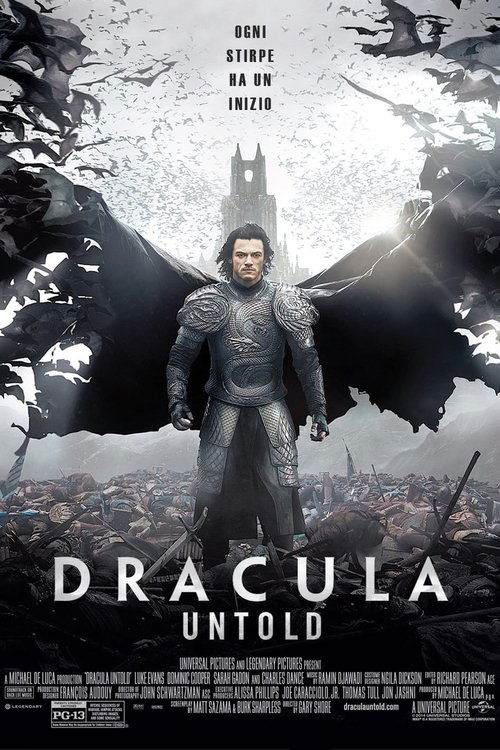
Dracula - L’amore perduto poster

DRACULA - L’AMORE PERDUTO

Dracula

2025 • FR HMDB
luglio 30, 2025

Transilvania, XV secolo. Il principe Vladimir, dopo la perdita improvvisa della sua amata, rinnega Dio, ereditando così una maledizione eterna: diventare un vampiro. Condannato a vagare nei secoli, sfida il destino e la morte stessa, guidato da un’unica speranza: ritrovare l’amore perduto.

Registi

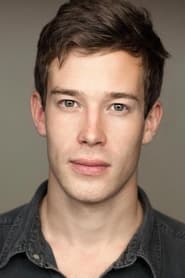
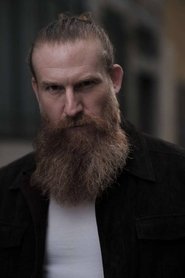
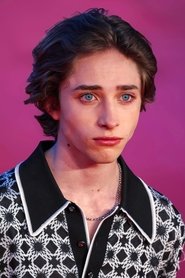
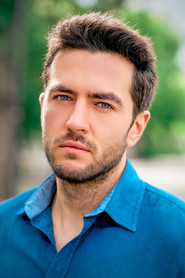
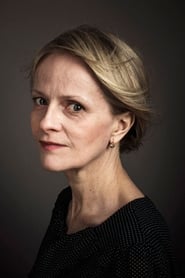
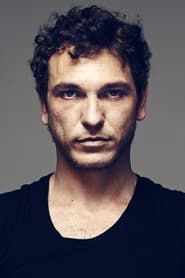
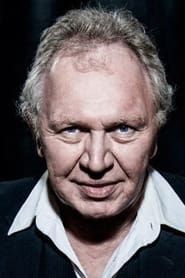
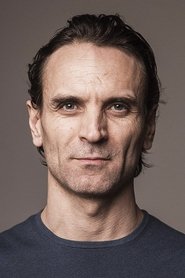
Cast

👍 1 👎 🔥 🧻 👑 (1)

Serve un account gratuito: scegli e ti diciamo come

Commenti

Commenti (0)

Accedi oppure registrati per commentare

Troupe

Produzione: Virginie Besson-Silla (Producer)
Sceneggiatura: Luc Besson (Screenplay)
Musica: Danny Elfman (Original Music Composer)
Fotografia: Colin Wandersman (Director of Photography)

RECENSIONI (1)

Marco Castellini •
Il Verdetto

Il Dracula di Luc Besson è un film che ambisce a riportare il mito del vampiro alle sue radici, ma lo fa con un’impronta stilistica che alterna intuizioni interessanti a scelte meno convincenti. L’atmosfera è costruita con cura: luci fredde, scenografie sontuose e un’estetica che richiama il gotico europeo senza mai abbandonare quella patina moderna tipica del regista.

Il Dracula di Luc Besson è un film che ambisce a riportare il mito del vampiro alle sue radici, ma lo fa con un’impronta stilistica che alterna intuizioni interessanti a scelte meno convincenti. L’atmosfera è costruita con cura: luci fredde, scenografie sontuose e un’estetica che richiama il gotico europeo senza mai abbandonare quella patina moderna tipica del regista. Visivamente, il film funziona. Dove l’opera perde un po’ di forza è nel ritmo. La narrazione procede a strappi: alcune sequenze sono intense, quasi ipnotiche, mentre altre sembrano troppo affrettate o, al contrario, dilatate senza reale payoff. Anche la caratterizzazione dei personaggi oscilla—Dracula è affascinante ma non sempre incisivo, e i comprimari risultano talvolta più decorativi che necessari. La mano di Besson si vede, nel bene e nel male: stile e ambizione non mancano, ma manca forse una coesione capace di rendere questa nuova rilettura davvero memorabile. Il risultato è un film che si lascia guardare, con momenti riusciti, ma che difficilmente lascerà un segno profondo. In sintesi: un Dracula elegante, visivamente curato, ma un po’ irregolare. Un esperimento interessante, seppur non del tutto centrato.
👍 👎 🔥 🧻 👑

Commenti

Commenti (0)

Accedi oppure registrati per commentare

Video Recensioni

Dove Guardare

Dati forniti da JustWatch

Domande su Dracula - L’amore perduto

Dove vedere Dracula - L’amore perduto in streaming?

Dracula - L’amore perduto è disponibile su Apple TV, Amazon Video, Google Play Movies, Paramount+ Amazon Channel, Fandango At Home, Paramount Plus Premium, Paramount Plus Essential.

  • Apple TV
  • Amazon Video
  • Google Play Movies
  • Paramount+ Amazon Channel
  • Fandango At Home
  • Paramount Plus Premium
  • Paramount Plus Essential
Vai a dove vederlo

Quanto dura Dracula - L’amore perduto?

Dracula - L’amore perduto dura 129 minuti.

Quando è uscito Dracula - L’amore perduto?

Dracula - L’amore perduto è uscito nel 2025.

Chi ha diretto Dracula - L’amore perduto?

Dracula - L’amore perduto è diretto da Luc Besson.

Che voto ha Dracula - L’amore perduto?

La redazione di HorrorCult dà a Dracula - L’amore perduto 2,5 teschi su 5, su una sola recensione.

Leggi le recensioni

RECENSIONI DALLA COMMUNITY (3)

MovieGuys

7 /10

I rather like the fact that Luc Besson has gone off and done his own thing, with "Dracula".

This film freshly blends fantasy, romance, action and a dash of horror. There are lots of creative, dramatic aspects to this story. Its Dracula writ-large. Where it falls down somewhat is its rather abrupt final scenes. There's no real build up, things just happen, leaving it feeling somewhat perfunctory.

In summary, this is a creative, elaborately cinematic take, on the Dracula myth, with lots of lavish, over the top trappings. Certainly worth a look.

Dean

Dean

9 /10

Unlike other recent adaptations that feel the need to lecture the audience, this film is a refreshing, unapologetic return to pure Gothic romanticism and high-stakes melodrama. By focusing entirely on the 400-year grief of Vlad and his search for Elisabeta, the film feels like a genuine piece of art rather than a product of a corporate checklist. The decision to transplant much of the action to a visually stunning, turn-of-the-century Paris adds a layer of aesthetic grandeur that differentiates it from every other version we've seen. Caleb Landry Jones delivers a career-defining performance, capturing a version of the Count that is equal parts terrifying predator and broken, soulful widower; his intensity makes you believe in the "oceans of time" he has crossed. Christoph Waltz is equally brilliant as the unnamed priest, bringing a grounded, cynical weight to the hunt that balances the more fantastical elements of the story. The production design is a masterclass in atmosphere—from the intricate, period-accurate costuming to the moody, chiaroscuro lighting—creating a world that feels lived-in and appropriately dark. It is a rare example of a director being allowed to follow his specific vision to its logical, tragic conclusion without interference. For anyone tired of "modernized" takes on classics, this is the definitive, faithful-in-spirit adaptation that proves Dracula is still the king of the monsters when handled with actual respect for the source's emotional core.

Wuchak

Wuchak

8 /10

Luc Besson basically tries to top Coppola’s 1992 film

The man behind 2014’s entertaining “Lucy” offers his cinematic version of Bram Stoker’s 1897 Gothic horror novel, obviously influenced by Coppola’s rendition from 33 years earlier. Thankfully, there are enough differences to make it worth catching. For instance, Besson adds creative curves, like undead Vlad’s developing a perfume that lures women to him and his subsequent visit to a nunnery, not to mention Dracula’s helpers, who were obviously inspired by the 1965 Jonny Quest episode “The House of Seven Gargoyles.”

Another difference is that he consolidates several people into one. I’m talking about Maria, played by Matilda De Angelis, who’s essentially a merging of Renfield, Sadie Frost’s character, and Drac’s three brides.

So, which is better? They’re both worth viewing and comparing since each has their strengths. Coppola’s film, despite its attributes, gets bogged down in the second half by trying to follow the book whereas this one keeps things dramatically compelling by imaginatively focusing on the love story and Van Helsing’s attempts to track down the creature. Speaking of Van Helsing, Christoph Waltz is great as the Van Helsing-like priest.

I should add how this one elaborates on two things that Coppola’s film ignored. It explains why Vlad adamantly believes Elisabeta is going to be reincarnated and, secondly, it elucidates the divine curse and resultant immortality that Dracula suffers.

Both movies are tragic-romantic love stories set within a lush Victorian Gothic world. There’s some horror, and the corresponding creepy elements, naturally, but these flicks aren’t very scary. For that, check out Robert Eggers’ “Nosferatu” from 2024.

It runs 2h 9m and was shot Mar-Jul 2024 in Kainuu, Finland, including Kuhmo, which is a 6½-hour drive north of Helsinki, as well as the Paris Region, including Dark Matters studios in Tigery, which is a 42m-drive southeast of the city (and is permanently closed as of late 2024).

GRADE: A-/B+

Recensioni fornite da TMDB

Salva i film che vuoi vedere

Con un account gratuito tieni la tua lista e la ritrovi su ogni dispositivo.

Crea il tuo account

Gratis: bastano un'email e una password.