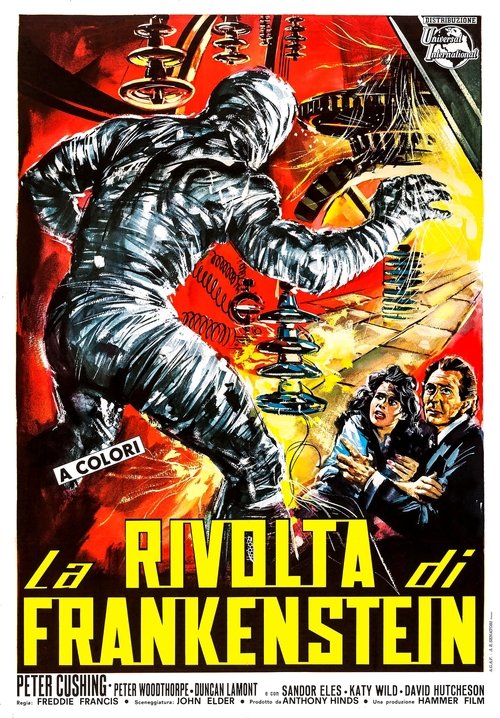
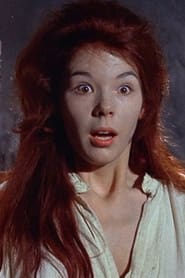
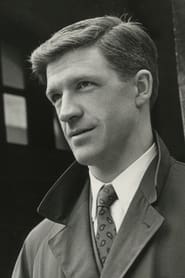
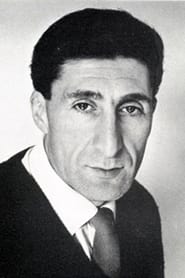
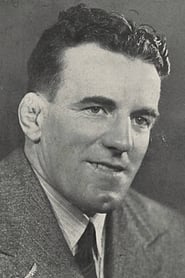
La Rivolta di Frankenstein backdrop
La Rivolta di Frankenstein poster

LA RIVOLTA DI FRANKENSTEIN

The Evil of Frankenstein

1964 GB HMDB
maggio 8, 1964

Il barone Frankenstein, cacciato dal suo castello dalla popolazione indignata dai suoi esperimenti, torna a Karlstaad. Costretto a passare per una via di alta montagna, scopre accidentalmente il corpo della sua creatura, perfettamente conservato nei ghiacci e decide di riportarla in vita.

Cast

👍 👎 🔥 🧻 👑

Commenti

Commenti (0)

Troupe

Sceneggiatura: Anthony Hinds (Screenplay)
Musica: Don Banks (Original Music Composer)
Fotografia: John Wilcox (Director of Photography)

RECENSIONI (1)

Roberto Giacomelli
Il barone Frankenstein, dopo essere stato smascherato per i suoi esperimenti illegali, fugge dall’Inghilterra con il suo assistente Hans e si rifugia sotto falso nome a Karlstadt, nello stesso castello in cui aveva alloggiato anni prima. Qui ritrova fortuitamente la sua precedente creatura, congelata in un ghiacciaio, e decide di riportarla in vita. Il mostro resuscita ma le sue facoltà mentali sono alterate, così Frankenstein chiede aiuto all’ipnotizzatore Zoltan che però decide di usare la sua influenza sul mostro per commettere reati e vendicarsi di chi l’aveva deriso. Terzo film della saga hammeriana di Frankenstein e primo che porta la firma di Freddie Francis dopo il dittico firmato da Terence Fisher (che poi dirigerà tre dei quattro film seguenti), ma anche uno tra i meno riusciti. Dopo il gran successo di pubblico dei due Frankenstein prodotti dalla inglese Hammer, la Universal Pictures decide di prendere parte attiva alla produzione del terzo capitolo. Ricordiamo che la Universal fu artefice dalla prima grande saga cinematografica incentrata sui personaggi creati da Mary Shelley con il capolavoro “Frankenstein” diretto da James Whale nel 1931 e i suoi sequel. La Universal deteneva i diritti sull’aspetto del mostro di Frankenstein come la tradizione ormai lo identificava, ovvero con il volto di Boris Karloff e la sua imponente tenuta cadaverica e questo fu uno dei motivi per cui il primo Frankenstein della Hammer, “La maschera di Frankenstein”, differiva in modo tanto netto da quello che era l’immaginario collettivo sul look del mostro. Dal momento che questo nuovo film coinvolgeva proprio la Universal, si ebbe la pensata di far somigliare il mostro a quello interpretato da Karloff con risultati però molto deludenti. Infatti se vogliamo trovare un aspetto negativo di proporzioni macroscopiche in “La rivolta di Frankenstein” questo è proprio il look del mostro che appare solo la brutta copia senza fantasia di quello karloffiano, per di più truccato in modo preoccupantemente approssimativo. E la questione si aggrava se si tiene conto che il mostro di questo film dovrebbe essere lo stesso del film precedente! Mettendo da parte questo aspetto, “La rivolta di Frankenstein” risulta comunque narrativamente debole perché carente di idee originali; la sceneggiatura di Anthony Hinds (che tornerà sul luogo del delitto con l’ottimo “La maledizione dei Frankenstein” e il riuscito “Frankenstein e il mostro dell’inferno”) cerca di rivangare i soliti luoghi comuni sulla vicenda del noto scienziato introducendo l’unica variante dell’ipnosi. Una variante gradevole, così come risulta ben caratterizzato l’ipnotista rancoroso interpretato da Peter Woodthrope, solo che a conti fatti il mostro sotto ipnosi finisce per comportarsi allo stesso modo che se non lo fosse stato. Anzi, in questo film il mostro è fin troppo mansueto e non viene neanche percepito come minaccia dallo spettatore, così, per scatenare la sua furia, nel finale viene usato un espediente quasi parodistico che va a sottolineare la mancanza d’ispirazione generale che sta dietro a questo film. Ovviamente le atmosfere sono quelle tipiche della Hammer, sempre affascinanti e suggestive, anche se in confronto ai due film che l’hanno preceduto viene a mancare la violenza visiva, inoltre la professionalità di Peter Cushing, che interpreta ancora una volta il barone Frankenstein, fa la differenza e dona al film quell’alone di qualità in più. Gradevole come gran parte dei prodotti Hammer, ma decisamente trascurabile.
👍 👎 🔥 🧻 👑

Commenti

Commenti (0)

RECENSIONI DALLA COMMUNITY (2)

John Chard

John Chard

7 /10

The Evil of Zoltan!

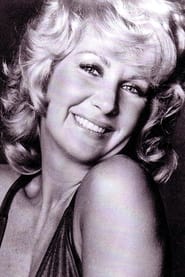
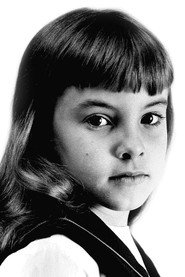
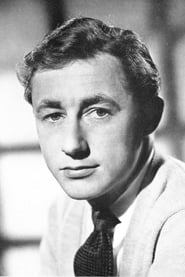
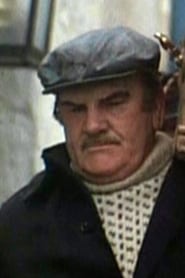
The Evil of Frankenstein is directed by Freddie Francis and written by John Elder. It stars Peter Cushing, Sandor Eles, Peter Woodthorpe and Katy Wild. Music is by Don Banks and cinematography by John Wilcox.

Returning back to Karlstad after a ten year absence, Baron Frankenstein (Cushing) hopes that the town has forgotten his monstrous impact on the town previously. With assistant Hans (Eles) in tow, it's not long before the Baron stumbles upon his monster creation frozen in a glacier of ice...

Anything they don't understand, anything that doesn't conform to their stupid little pattern...they destroy.

With Hammer Films finally getting friendly with Universal Pictures, The Evil of Frankenstein forgets the two previous Hammer Frankenstein movies and goes for what is in all essence a rehash of Karloff's stomping days. That's not necessarily a bad thing if one can judge the film as a standalone movie? But creativity is sparse and it's left to the cast and technical department to create an above average Frankenstein movie.

Yep, it sure does look nice, with impressive costuming and well dressed sets, it's a Hammer movie for sure. Bank's score is also classic Hammer strains. Cushing gives his usual dose of quality, though he is a touch restrained here in terms of committed emotion, and you have to smile at his James Bond moment during one getaway scene while a buxom babe looks on with kinky lustation in her eyes. Elsewhere it's a safe turn of cast performances, with future Dad of Delboy Trotter, Woodthorpe, camping it up as the scheming and revenge fuelled hypnotist Zoltan, Wild isn't asked to do much, and neither is Eles, who seems to be in it for some continental flavour. Francis is no Terence Fisher, but he has a good visual flair and he can construct a very good action sequence, such as the excellent finale here.

There's problems for sure; familiarity of Frankenstein movies in general hurts, the make up for the creature is very poor, one back screen projection sequence is very cheap even by low grade Hammer standards, while some of the Baron's reactions to situations don't bear up to logical scrutiny. It's not hard to understand why it's a very divisive movie amongst the Hammer Horror faithful. Yet its merits hold up well and it never once sags or becomes tiring. Cushing, Wilcox and that finale ensure it's a decent night in by the fire. 6.5/10

Wuchak

Wuchak

7 /10

Hammer borrows from Universal to reboot the series

Hammer did seven Frankenstein films from 1957-1973: “The Curse of Frankenstein” (1957), “The Revenge of Frankenstein” (1958), “The Evil of Frankenstein” (1964), “Frankenstein Created Woman” (1967), “Frankenstein Must Be Destroyed” (1969), “The Horror of Frankenstein” (1970) and “Frankenstein and the Monster from Hell” (1973). Peter Cushing plays Baron Frankenstein in every one of these except "The Horror of Frankenstein" because it was a remake of the original story and they needed a much younger actor for the role

With "The Evil of Frankenstein" it had been six years since the previous installment and it reboots the series after a distribution deal made with Universal. Before this, Hammer went out of its way to make their version different from Universal (for legal reasons); here, the monster has the iconic Universal look and Dr. Frankenstein’s lab is similar to the classic one, albeit everything’s in color.

While Terence Fisher directed five of the installments, Freddie Francis does the honors here (his only directing job for Frankenstein) and I found it superior to the previous “The Revenge of Frankenstein.” Yet it’s not great like the next two entries, “Frankenstein Created Woman” and, especially, “Frankenstein Must Be Destroyed.”

The basic Frankenstein story is intact: a mad scientist from Western Europe in the late 1700s/early 1800s is obsessed with creating life from an assortment of body parts and so sets up shop in a secret lair and is successful, but the confused, grotesque creature ends up going on a killing spree. Thankfully, this one adds the entertaining village carnival element as well as the interesting involvement of a selfish hypnotist from the fair (Peter Woodthorpe). Sandor Elès plays the Baron’s assistant while Katy Wild and Caron Gardner are on hand on the feminine front.

Although people gripe about the lack of continuity with the two previous installments from 6-7 years earlier, it can be resolved with a little imagination and filling in blanks: The Baron secretly built an alternative lab at his chateau outside Karlstaad which, if you think about it, he would’ve HAD to do during the events of “Curse.” He simply omitted these clandestine undertakings from his explanation to the cleric. The flashback in this movie, told by Frankenstein to new helper Hans (Sandor Elès), is the doctor’s fixed-up version of events in Karlstaad wherein he leaves out most of the details and lies about being exiled rather than condemned to execution. Since Hans isn't Hans Kleve from “Revenge,” he knows only what Victor wants him to know about what went down.

The movie runs 1 hour, 24 minutes and was shot at Bray Studios, just west of London.

GRADE: B

Recensioni fornite da TMDB