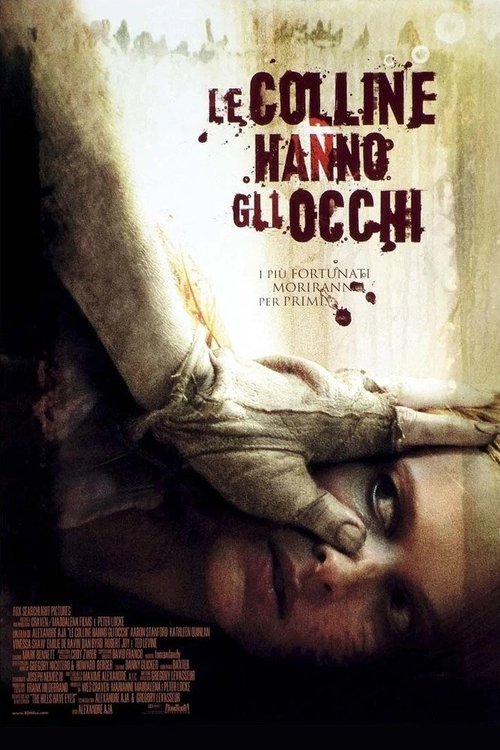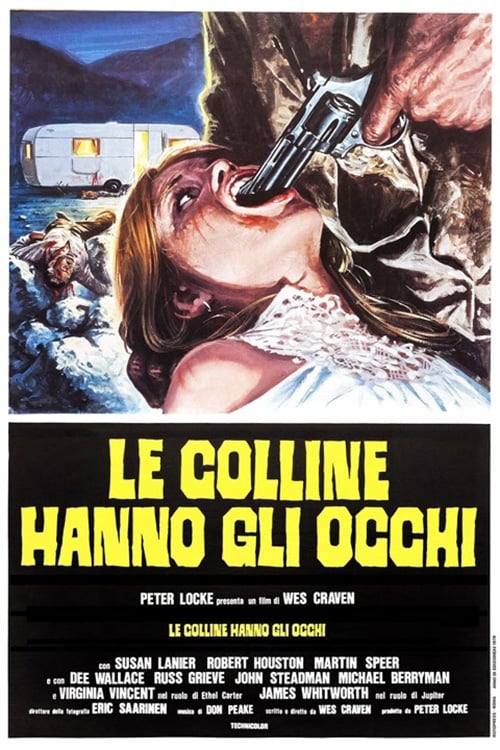







Le Colline hanno gli Occhi backdrop
Le Colline hanno gli Occhi poster

LE COLLINE HANNO GLI OCCHI

The Hills Have Eyes

1977 US HMDB
luglio 22, 1977

Bob ed Ethel Carter sono in viaggio verso la California con tutta la loro famiglia. Bob, poliziotto in pensione, desideroso di visitare una miniera d'argento abbandonata, lasciata l'autostrada e porta la famiglia in un deserto collinoso nonostante il vecchio benzinaio gli abbia oscuramente preannunciato grossi pericoli. Le colline, infatti, sono popolate da una famiglia selvaggia...

Registi

Cast

👍 👎 🔥 🧻 👑

Commenti

Commenti (0)

RECENSIONI (1)

Roberto Giacomelli
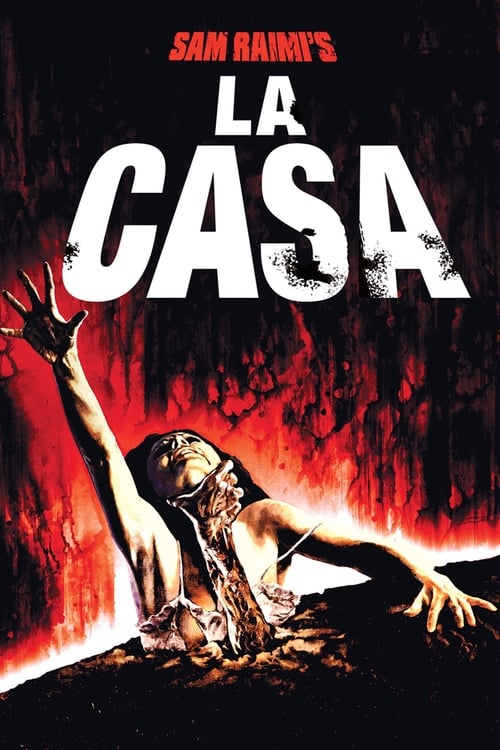
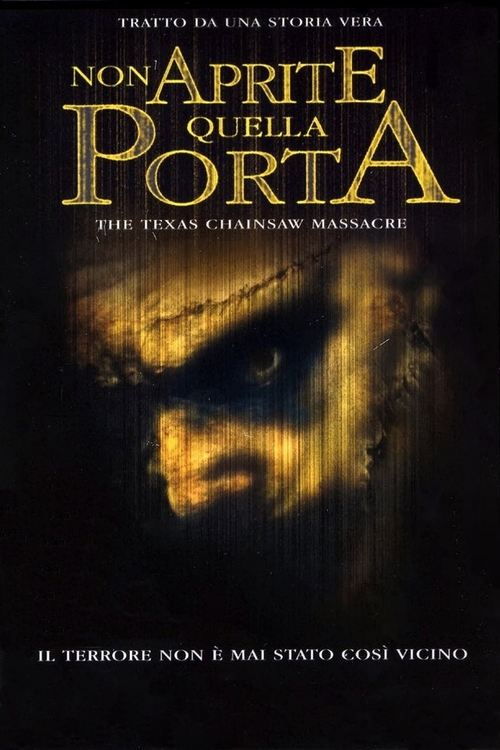
La famiglia Carter è in viaggio, con la propria roulotte, verso la California. La via più rapida sembra quella che attraversa il deserto del Nevada, che in molti credono zona usata dall’esercito per ignoti esperimenti nucleari. Un guasto causato da un incidente costringe la famiglia Carter a passare la notte nel bel mezzo del deserto, ma ben presto diventeranno preda di una spietata famiglia di mutanti cannibali che vivono tra le colline. Celebre secondo film del maestro del new horror Wes Craven, “Le colline hanno gli occhi” arriva a cinque anni di distanza dal suo “L’ultima casa a sinistra” e, per la seconda volta, lascia indubbiamente il segno nel panorama polveroso e sanguinolento del cinema horror anni ’70. Chiaramente debitore al capolavoro di Hooper “Non aprite quella porta”, il film di Craven porta avanti, e forse estremizza, la sua sadica poetica della vendetta familiare: anche in “Le colline hanno gli occhi”, come in “L’ultima casa a sinistra” e successivamente in altre sue opere, al centro dell’intreccio c’è la famiglia americana, anzi le famiglie. Abbiamo quella degenere, deviata e deviante, composta da reietti deformi e mangiatori di uomini, e quella per bene, appartenete alla middle class, che ha come unico modo di sopravvivenza quello di regredire alla bestialità e di mettersi alla pari con la prima famiglia, quella di mostri. La società americana, dunque, genera mostri e i mostri plasmano altri mostri; ma quello di Craven non è un discorso ristretto al solo territorio statunitense, ma è ben più ampio: è la società umana che genera mostri, che covano nell’oscurità di una grotta tra le colline del deserto, così come nell’innato istinto di sopravvivenza del più mite essere umano, pronti a venir fuori ed aggredire e divorare l’innocenza ( non a caso l’obiettivo primario della famiglia cannibale è mangiare il bambino neonato della famiglia Carter e il primo membro della famiglia cannibale a perire è il più piccolo e vistosamente ritardato ). Al di là dell’interpretazione sociologica, “Le colline hanno gli occhi” riesce ad avere un grande impatto emotivo sullo spettatore, generato da suggestive ambientazioni naturali catturate da una fotografia sporca e polverosa, molto stile western anni ’60 e da una violenza, spesso solamente suggerita, primordiale e a tratti disturbante, fatta di uomini arsi vivi e di coltellate inferte con ferocia animalesca. Inevitabilmente la sua distribuzione nella sale fu accompagnata da un mare di polemiche (come era già accaduto per “L’ultima casa a sinistra” e “Non aprite quella porta”), ma anche da un ottimo successo di pubblico che spinse Craven, nel 1985, a dirigere un seguito, lontano anni luce dal fascino che trasmette primo film. Il cast di “Le colline hanno gli occhi” è composto essenzialmente da volti non molto noti al pubblico, ad eccezione di Dee Wallance (qui nella parte di Lynn, la sorella più grande) che sarà protagonista di numerosi film horror (“L’ululato”, “Cujo”, “Critters”, “Sospesi nel tempo”), ma anche nel fortunatissimo “E.T.” di Spielberg. Un altro volto ricorrente nel cinema di genere, e qui presente nel ruolo del cannibale Plutone, è quello di Michael Berryman, caratterista americano dall’inconfondibile physique du role per i film horror, che tornerà diretto da Craven in “Benedizione mortale”, “Invito all’inferno” e “Le colline hanno gli occhi 2”, nonché in “Inferno in diretta” di Deodato e “The devil’s reject” di Rob Zombie. In conclusione, “Le colline hanno gli occhi” è uno dei capisaldi del new horror, nonché uno dei migliori film di Craven. Avvincente e disturbante. Obbligatoria la visione per un appassionato di horror. Curiosità. Craven racconta che per la realizzazione della sceneggiatura sia stato ispirato da un fatto realmente accaduto nella Scozia del diciassettesimo secolo. Esiste un curioso gioco di rimandi cinematografici tra Wes Craven e Sam Raimi che ha “Le colline hanno gli occhi” come iniziatore: durante il film di Craven, si intravede su una parete dell’interno della roulotte il poster strappato del film “Lo squalo” di Spielberg, come a voler affermare, da parte del regista, che una sua intenzione era quella di riuscire a realizzare un film più spaventoso di quello con lo squalo assassino. In una delle scene del cult di Raimi “La casa” si può intravedere sulla parete della cantina il poster strappato di “Le colline hanno gli occhi”, sfida che il regista lanciava a Craven per le stesse ragioni che spinsero Craven a citare il film di Spielberg. Ma Craven colse la sfida di Raimi e gli rese il “favore” in “Nightmare”, inserendo in una scena una tv accesa che trasmetteva “La casa”.
👍 👎 🔥 🧻 👑

Commenti

Commenti (0)

Dove Guardare

Noleggio

Apple TV Apple TV
Amazon Video Amazon Video

Acquista

Apple TV Apple TV
Amazon Video Amazon Video

RECENSIONI DALLA COMMUNITY (5)

John Chard

John Chard

6 /10

You folks. Stay on the main road now you hear!

After having announced himself to the horror hordes with The Last House on the Left, Craven's next horror pick would be this, The Hills Have Eyes, another slab of grit and grime.

A nuclear family head across the desert in their giant trailer only to break down and find there's beasties in the hills hungry for their blood.

It has become very much a popular cult pic with Craven fans, which is understandable given the brisk pacing, moments of intensity and suspense, while the allegories and messages are smartly inserted. But the low budget does affect the product, it looks cheap and renders much of the violence and sexual aspects (implied or otherwise) as being not very frightening or stomach churning. While some of the acting is very poor, further adding a cartoonish feel to what should have been a nerve shredding experience.

Above average for sure, but not the masterpiece some would have you believe. 6/10

Gimly

Gimly

6 /10

Though the case of The Hills Have Eyes is a rare one wherein I feel that the remake is in its entirety a better film than the original, Wes Craven's 1977 exploitation horror is still a solid movie, just one that doesn't succeed in its totality. Gimme a Beast spin-off anyday though.

Final rating:★★★ - I liked it. Would personally recommend you give it a go.

JPV852

JPV852

7 /10

This is one I could've sworn I had seen before and while I think I remembered a few scenes, the rest was a blank. In any case, I thought it was okay for a independent horror film with characters that at least weren't obnoxious. It's nothing special but I suppose entertaining enough. 3.5/5

CinemaSerf

CinemaSerf

5 /10

Despite being warned by a cranky old garage owner to stay on the highway, know-it-all "Big Bob Carter" (Russ Grieve) decides to take his family on a dirt track so they can try to find an old silver mine. The road is barely designed for a donkey, much less a car towing a caravan and so into a ditch they go and their troubles begin. Initially, that is just the inconvenience but when one of their dogs heads off, chased by his son "Bobby" (Robert Houston - clad in the tiniest pair of shorts that still appeared perfectly adequate for modesty, though), we start to realise that there is danger all around them. Yep, they have strayed into the territory of a family of interbred hillbillies who are quite happy to terrorise the family. Should they stay in their van or try to escape? What about the baby they have with them? At least they still have one more dog! Can they survive? To be honest, a combination of hysterical screaming and some terrible acting (except from the dog) made this nigh-on unwatchable for me. The production - single camera with terrible editing and continuity - seemed to lurch from one badly framed shot to another and the fact that this family of urban drips developed some ruthless desert-ninja skills in a matter of moments - especially the hapless "Bobby" who at least put some jeans on - just contributed to a scare free story that left me bored. Nope, just not for me...

Wuchak

Wuchak

5 /10

An Ohio family vs a clan of cannibals in the Southwest desert

Wes Craven developed this after the deserved success of “The Texas Chainsaw Massacre” with further inspiration stemming from the 16th century ‘Sawney’ Bean legend of Galloway, Scotland. “Deliverance” was also no doubt an influence, not to mention a little “Straw Dogs” seeing as how the theme involves civilized people turning to utter savagery to survive, which was also the moral of “Witchfinder General,” aka “The Conqueror Worm.”

The milieu and general vibe is similar to “Gargoyles” from four years earlier, but this is easily the least of all these movies due to a lack of artistry, dull storytelling, and comic booky antagonists. It would’ve worked better IMHO if the cannibal family was depicted in a more mysterious manner. Instead, they’re depicted in broad daylight pretty much from the get-go.

If you can roll with the cheesiness, however, the proceedings pick up in the last act with an interesting turn-the-tables element.

Janus Blythe stands out in the feminine department as Ruby, who thankfully comes to the fore in the final half hour. More should’ve been done with her. Janus happened to be one of the few good things about Tobe Hooper’s “Eaten Alive” from the year before. Dee Wallace (Lynne) is a slightly lesser highlight while conventional blonde Susan Lanier (Brenda) is a’right.

A sequel came out in 1984 (which I have yet to view; and probably won’t after seeing this), followed by a remake in 2006, which isn’t exactly great but it’s superior to this, plus a mediocre sequel in 2007. The Asylum’s “Hillside Cannibals” came out shortly after the remake and it effectively kept the proceedings raw, grim and horrifying. S. Craig Zahler was inspired by these films (and the “Wrong Turn” franchise) for his superior "Bone Tomahawk,” which is distinguished by being a Western.

It runs 1h 30m and was shot in Victorville in the Mojave Desert, which is located 85 miles northeast of Los Angeles.

GRADE: C

Recensioni fornite da TMDB