


L'Ultimo dei Templari backdrop
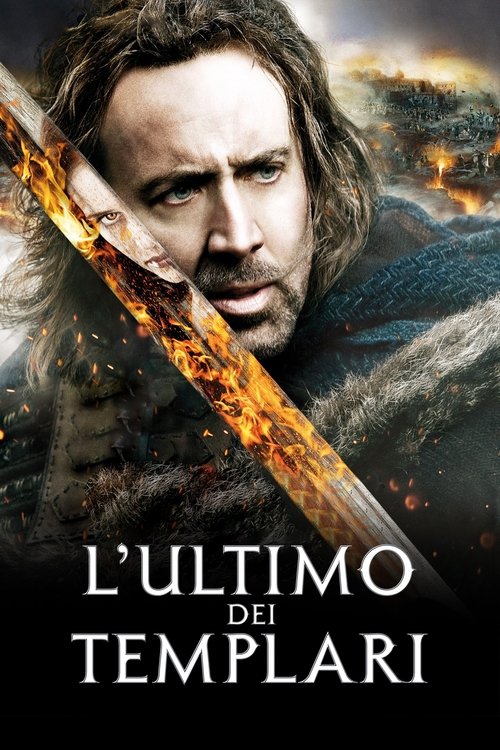
L'Ultimo dei Templari poster

L'ULTIMO DEI TEMPLARI

Season of the Witch

2011 US HMDB
gennaio 7, 2011

Behmen e Felson sono due templari che hanno combattuto a lungo come Crociati divenendo famosi per il numero di nemici uccisi. Quando però comprendono che la loro guerra in nome di Dio comporta il massacro di donne e bambini inermi decidono di abbandonare il campo di battaglia. Catturati come disertori ottengono la liberazione solo a patto di scortare una presunta giovane strega accusata di aver diffuso la peste bubbonica fino a un monastero situato in un luogo distante. I monaci che vi risiedono posseggono infatti un antico libro le cui formule consentono di smascherare la stregoneria. I due templari, accompagnati da un sacerdote, un soldato, un giovane aspirante cavaliere e un imbroglione esperto del percorso, affrontano l'impervio tragitto.

Cast

👍 👎 🔥 🧻 👑

Commenti

Commenti (0)

Troupe

Produzione: Ryan Kavanaugh (Executive Producer)Tucker Tooley (Executive Producer)Steve Alexander (Executive Producer)Tom Karnowski (Executive Producer)Charles Roven (Producer)Alan Glazer (Executive Producer)Alex Gartner (Producer)
Sceneggiatura: Bragi F. Schut (Writer)
Musica: Atli Örvarsson (Original Music Composer)
Fotografia: Amir Mokri (Director of Photography)

RECENSIONI (1)

Roberto Giacomelli
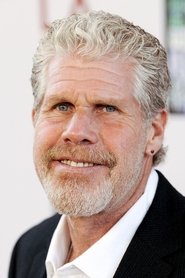
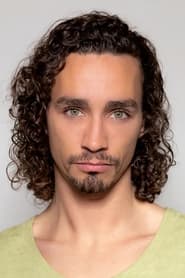
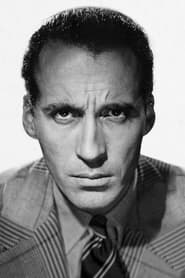
Europa, XIV secolo. Behmen, e il suo amico Felson, due crociati disertori, giungono a Marburg, una delle tante città toccate dalla peste nera che sta dilagando in tutta la regione. I due cavalieri vengono fermati e portati innanzi al Cardinale locale morente che minaccia di farli arrestare per diserzione, a meno che non accettino una pericolosa missione: devono scortare una giovane donna accusata di essere una delle streghe portatrici della peste fino all’abbazia di Severako dove i monaci celebreranno il processo e un antico rituale per liberare la regione dal suo anatema. Behmen e Felson accettano e intraprendono il viaggio in compagnia di un severo prete, un cavaliere disilluso, un imbroglione che conosce il territorio e un giovane aspirante cavaliere. Il viaggio sarà irto di pericoli che sconfinano nel soprannaturale. Il titolo originale dell’ultimo film dell’action-maker Dominic Sena (“Codice Swordfish”; “Whiteout – Incubo Bianco”) è “Season of the Witch” e la memoria dello spettatore più navigato decolla verso il secondo lungometraggio di George Romero, in cui la “strega” del titolo si ergeva a simbolo dell’emancipazione femminile. Tranquilli, il film di Sena, malgrado la similitudine titolistica, però non è un remake della dimenticata opera romeriana, bensì un horror medievale che racconta di streghe, peste e possessione demoniaca. La distribuzione italiana, forse in considerazione dei modestissimi incassi in territorio statunitense, sta spingendo “Season of the Witch” verso territori che non gli competono, decisamente fuorvianti, cominciando con una rititolazione – “L’ultimo dei templari” – che rievoca furbamente il primo fortunato film del dittico “National Teasure” – “Il mistero dei templari”, per l’esattezza – che ha in comune con il film di Sena solamente Nicholas Cage nel ruolo principale. Lo stesso trailer punta moltissimo su azione e battaglie spettacolari, che guardando il film ci accorgiamo essere relegate come antefatto in una manciatina di minuti iniziali. Esaurito lo spirito guerresco, “L’ultimo dei templari” si presenta come un solido horror di ambientazione storica, molto americano – forse anche troppo – per alcune scelte narrative e per la messa in scena magniloquente. Il film di Sena ha dalla sua una serie di pregi assolutamente da non sottovalutare. Cominciamo dicendo che si può notare subito un approccio fresco e originale al genere horror che frulla riuscendoci azione, paura, atmosfera, un tocco di fantasy e – perché no – anche un pizzichino di buddy comedy. Alla fine l’elemento predominate è proprio l’horror, che scaturisce già da una riuscitissima introduzione che porta in scena una delle scene con protagonista una strega più riuscite dai tempi di “L’armata delle tenebre”. Sena ha poi il pregio di tenere sempre desta l’attenzione dello spettatore con un ritmo ben gestito e scene di paura e/o disgusto dosate con efficacia. Per lo più si gioca con i raccapriccianti effetti della peste, ma non mancano attacchi di lupi famelici e palesemente demoniaci, incursioni di monaci appestati zombi e adrenaliniche traversate su uno strapiombo (la scena del ponte, una delle migliori del film). L’elemento in cui il film di Sena va a sbrodolarsi per eccesso di pacchianeria è il roboante finale che non lesina in mostri e computer grafica. Parliamoci chiaro, una deviazione simile ci può stare ed è in perfetta sintonia con la costruzione narrativa complessiva del film, nonché gli effetti speciali appaiono di ottima fattura, ma non si può fare a meno di ghignare di fronte a quello che ci si para davanti agli occhi. Altro punto dolente sono i dialoghi. Bragi Schut firma una sceneggiatura ordinata e con dei personaggi dalla caratterizzazione quasi da b-movie, efficaci quanto basta; il problema sono molti dialoghi scritti come se dovessero essere pronunciati in un contesto da XXI secolo e non certo da XIV, che vanno così a togliere credibilità ad alcune scene. Curioso ritrovare anche in questo film un’esplicita critica alla Chiesa, in quanto istituzione manipolatrice, fortemente politicizzata e incarnazione di un male egoistico che incide sulla comunità nella sua totalità. Negli ultimi mesi l’attacco alla Chiesa da parte del cinema horror americano (vedasi anche “Priest” e “L’ultimo esorcismo”, solo per fare un paio di titoli) sta diventando un dato che sarebbe interessante analizzare (di certo non in questa sede). Il cast di “L’ultimo dei templari” è eterogeneo e ben assortito, con i sempre ottimi Nicholas Cage (“Drive Angry – Destinazione Inferno”) e Ron Perlman (“Hellboy”) nei ruoli principali, affiancati dal bravo Stephen Graham (“Pirati dei Caraibi: Oltre i confini del mare”) e dai giovani Claire Foy (“Being Human”), nel ruolo della presunta strega, e Robert Sheehan (“Misfits”) in quello dell’aspirante cavaliere. In una piccola parte anche Christopher Lee, che interpreta il Cardinale morente che assegna la missione a Behmen e soci. “L’ultimo dei templari” è un film che sicuramente si presta ad essere criticato da chi cerca un film serio e cupo che affronti il medioevo pestilenziale. A svolgere questo compito c’è già il buon “Balck Death” di Christopher Smith, con “L’ultimo dei templari siamo dalle parti del blockbuster hollywoodiano, buon cinema d’intrattenimento che presenta una serie di assi nella manica da non sottovalutare in quanto a ritmo e trovate da horror stregonesco che non deluderanno i patiti del cinema di paura.
👍 👎 🔥 🧻 👑

Commenti

Commenti (0)

Dove Guardare

Streaming

Mediaset Infinity Mediaset Infinity

Noleggio

Apple TV Apple TV
Amazon Video Amazon Video

Acquista

Apple TV Apple TV
Amazon Video Amazon Video

RECENSIONI DALLA COMMUNITY (3)

Dark Jedi

6 /10

It never received very god critics and I have to say it wasn’t the best film that I have seen, even though Nicolas Cage is one of my favorite actors. Then again, I never really like it when my favorite actors die at the end of the movie. Also the CGI, especially at the end of the film, was of rather mediocre quality.

Anyway, on the whole it was a fairly nice medieval sword swinging fantasy/supernatural action flick and not at all as bad as the critics tried to make it but then I’m not really surprised that the critics are off-whack as usual.

Wuchak

Wuchak

8 /10

Knights, crusades, black plague, witches, castles, foreboding forests and demons

RELEASED IN EARLY 2011 and directed by Dominic Sena, "Season of the Witch" chronicles events when two ex-Teutonic Knight crusaders (Nicolas Cage & Ron Pearlman) traveling through Styria in modern-day Austria are enlisted to escort an alleged witch suspected of causing the black death (Claire Foy) to a remote monastery in the mountains for trial and to hopefully stop the devastating plague. Stephen Campbell Moore (Debelzaq), Stephen Graham (Hagamar) and Robert Sheehan (Kay) accompany the Knights.

This is basically the American version of "Black Death," a European film released around the same time. Both movies are dark, gritty and brutal in their depictions of Medieval Europe, but "Season of the Witch" is more of a stereotypical blockbuster with modish protagonists, amusing one-liners and CGI-laden climax. "Black Death" is deeper, more thought-provoking and realistic, which is why I give it the edge in overall value (see my review).

"Season" is the more conventionally entertaining movie and anyone who appreciates Dark Ages-based flicks are highly encouraged to check it out. Films which come to mind include "In the Name of the Rose" (1986), "Kingdom of Heaven" (2005), "Robin Hood" (2010), "Ironclad" (2011), "King Arthur" (2004), "Dragonslayer" (1981), "Red Riding Hood" (2011), "Tristan + Isolde" (2006) and "Robin Hood, Prince of Thieves" (1991). It's as good, or better, than any of these.

The colorful Medieval cinematography (castles, dungeons, villages, dark forests and breathtaking mountains) is mind-blowing and the two protagonists are great with their amusing rapport. Furthermore, Foy is easy-on-the-eyes. Look out for a thrilling rope-bridge crossing à la "Sorcerer" (1977). Although the climax is over-the-top cartoony, the tone up to that point is quasi-realistic, similar to "Robin Hood, Prince of Thieves.”

THE MOVIE RUNS 1 hour 35 minutes and was shot in Austria, Hungary and Croatia with reshoots done in Louisiana. WRITERS: Bragi F. Schut. ADDITIONAL CAST: Christopher Lee is almost unrecognizable as the plague-ridden Cardinal D'Ambroise.

GRADE: A-/B+

Filipe Manuel Neto

Filipe Manuel Neto

1 /10

A perfect example of how disrespect for the past and history can totally annihilate a film, even if it is fiction.

I really enjoy watching period films. However, my work as a historian gives me some antibodies to these films, for reasons linked to the lack of ability to harmonize creative freedom and strict respect for the historical facts and period customs. So, it was with some curiosity that I decided to see this film. After seeing it, I just wanted to slap director Dominic Sena and screenwriter Bragi Schut. None deserve any respect for what has been done here. The film is an insult to historians… even if it is not deliberate!

The script is the film's biggest problem, with a writing that seems to glue together fragments of several different stories: we start with the Crusades, we follow two knights in several military episodes and then, somewhat brusquely, they turn their backs on the Church (supposedly) and leave, probably for their homeland. It turns out that, on the way, they come across the Plague, and there is a woman, supposedly a witch, who was arrested, accused of causing the disease. Now, it's up to them the task of escorting the so-called witch to a monastery where some friars will judge her, in the light of a book that doesn't exist anywhere else in the world.

When you make a film with a historical background, at the very least, you should ask for the support of a consultant, someone who really knows History. No one should have the presumptuous arrogance to think they know everything, much less to take the public for an idiot, thinking that they will swallow everything that is shown to them! This film is an authentic case study in cinematic anachronism! How can the production admit the placement of clearly baroque decorative pieces in the midst of a medieval setting? How the hell can characters to disinfect their hands with alcohol if that was something totally unknown to medieval man? Since when is there a sea in Styria, if that ancient region is an inland part of present-day Austria and Slovenia? How can characters defect if this military concept simply didn't exist at the time?

And if these small questions seem serious, there is something much worse: the Crusades were an entire religious, political and military effort that involved Christianity for about 300 years, but that effort had practically ended decades before the Black Death, and much before the dates that the film uses for the fights where the characters take part. There were, in fact, no serious crusades in the 14th century. The Battle of Artah, which is shown in the film, took place two hundred years earlier, in 1105. Therefore, the film deliberately delayed the Crusades two hundred years, in order to almost coincide with the Black Death, and the characters could participate in both situations! It's absurd! Another thing that simply didn't exist in the Middle Ages was the notion of a witch hunt! Of course, for medieval man, the Devil was a threat, and of course there was a relationship between diabolical art and the works and studies of many scholars, alchemists or sages who contradicted the religious knowledge. But the so-called witch persecutions only began to be more notable in the 16th century, framed in a clerical response to the Reformation and to ideas (all of them) that endangered the dominion that the Church had over knowledge!

I pity Nicolas Cage and Ron Perlman. They are actors I respect, and seeing them participate in such a poorly made film is quite unfortunate, given that they have talent and are, as far as I've seen, almost the only positive things to highlight. Even if everything had been done in a way that respects history, the end of the film is so unbelievably stupid that it would spoil any previous effort. The rest of the cast, except for the two names mentioned, do not stand out in any way.

Recensioni fornite da TMDB