


Tetsuo - L'Uomo d'Acciaio backdrop
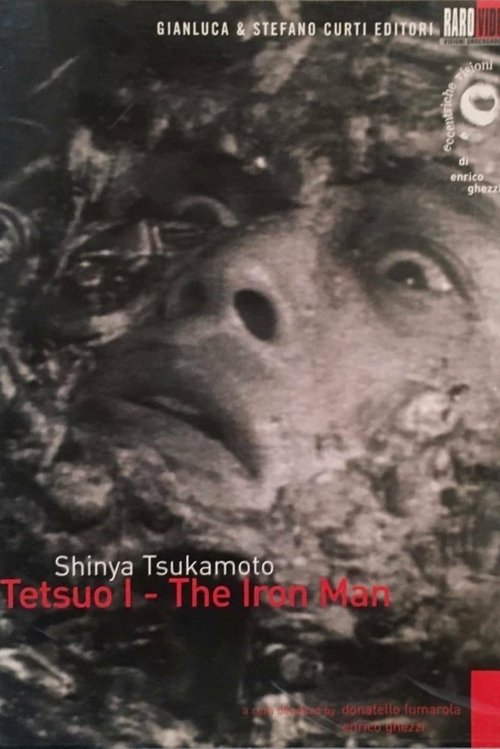
Tetsuo - L'Uomo d'Acciaio poster

TETSUO - L'UOMO D'ACCIAIO

鉄男

1989 JP HMDB
luglio 1, 1989

Un auto-feticista porta ad estreme conseguenze la sua ossessione per l'impianto di elementi metallici nel proprio corpo.

Cast

👍 👎 🔥 🧻 👑

Commenti

Commenti (0)

Troupe

Sceneggiatura: 塚本晋也 (Writer)
Musica: 石川忠 (Original Music Composer)
Fotografia: 不二稿京 (Director of Photography)

RECENSIONI (1)

Luca Pivetti
Un uomo, feticista del metallo, si inserisce in una gamba un tubo d’acciaio: da quel momento il suo corpo comincia una mutazione che lo porterà a diventare un essere totalmente nuovo, un connubio di carne e metallo che porterà sangue e distruzione. Recensire un lavoro del calibro di “Tetsuo” è un’impresa ardua se non impossibile, ai limiti del masochismo. Perché “Tetsuo” non è un film: il lavoro di Shinya Tsukamoto è una pallottola sparata a distanza ravvicinata che va ad attecchire dritta nel cervello, e in un perenne moto rotatorio continua a viaggiare per la scatola cranica dello spettatore, rilasciando velocemente il veleno al suo interno che completerà l’opera di annichilimento della mente. “Tetsuo”, ancor prima di essere un film, è in primo luogo un esperimento, perché non solo è un lavoro sulla “mutazione” senza parlarci effettivamente di nulla (non esiste trama, non troviamo un chiaro dipanarsi di eventi), ma è esso stesso “mutazione”, “infezione”, “cambiamento”: impossibile dunque catalogare o inserire l’opera di Tsukamoto all’interno di un filone (anche se si dirà che siamo di fronte al manifesto del “Cyberpunk”) perché in primo luogo “Tetsuo” è un connubio indissolubile di stili ed influenze mescolati a livello genetico-molecolare. Troviamo echi lynchiani, ossessioni cronenberghiane sulla nuova carne e sul potere dei media (“Videodrome”) portate alle estreme conseguenze, montaggio da videoclip, monster-movie giapponesi, samurai (post)postmoderni urbani con tubi metallici al posto delle Katane ed estetica “Manga” mescolati assieme in maniera certosina senza che sia possibile riuscire a capire dove finisca un’influenza ed inizi la successiva. Il tutto ovviamente sparato a velocità folle, spesso iper-velocizzato, quasi ci si trovasse dinnanzi ad un bombardamento di frame accompagnato da una sinfonia di clangori metallici, tappeti ritmici di ingranaggi ed urla agghiaccianti. Osservando “Tetsuo” ci si trova di fronte ad un lavoro che non ha precedenti nella storia del cinema, un film che è in primis “Altro”, “Novità”, “Punto di Rottura” nel suo voler schockare ed essere estremo solo per il gusto di esserlo. In questo delirio di tecnologia, carne, sangue, violenza e sesso (presente in dosi massicce, che verrà poi lasciato da parte in “Tetsuo 2-Body Hammer”), Tsukamoto però è in grado di veicolare un messaggio, anche perché siamo di fronte al classico esempio di come la “forma” vada a coincidere con il “contenuto”: Tsukamoto ci sta dicendo che stiamo facendo troppo affidamento sulla tecnologia e sui mass-media, che l’opera d’infezione del metallo con la nostra carne è già iniziata da tempo e noi non ce ne siamo neanche accorti. Ormai non siamo nemmeno in grado di riconoscere la realtà dalla finzione televisiva. Quello che scaturisce dal tubo catodico ha la stessa valenza del reale, o forse il reale è in grado di acquisire questo status solo nel momento in cui è confermato dalla televisione. Forse tutte e due le cose. Questo messaggio, che ci dimostra come Tsukamoto nel 1989 la vedesse lunga, è attuale come non mai e trova come sfondo una città mostrata in maniera frenetica, spezzettata, quasi fossero schegge impazzite di una metropoli troppo grande e spaventosa per essere ripresa per intero, perché anch’essa specchio del progresso smodato dell’essere umano. La messa in scena segue la follia del messaggio/contenuto: la regia è psicotica e schizzata, il montaggio ipercinetico, i movimenti della macchina da presa nervosi e spesso l’estetica da videoclip (diversissima comunque da quella dei vari “Saw” che imperversano oggi) rende il tutto ancora più concitato e difficilissimo da seguire anche perché, spesso e volentieri, si procede per un accumulo di immagini quasi si trattasse di un autentico lavaggio del cervello. Un’opera difficilissima da seguire e da assimilare, ma d’un fascino più unico che raro all’interno della cinematografia Estrema (con la E maiuscola), che cattura a livello subliminale e che attecchisce nel cervello dello spettatore, senza più lasciarlo; un lavoro potente e visionario (spesso questa parola viene utilizzata a sproposito, ma qui appare più che mai giustificata) che lascia basiti per ricchezza di contenuti nonostante l’ermetismo delle scelte del regista. “Tetsuo” è un film estremo in ogni sua singola sfaccettatura e che proprio per questo non ammette compromessi e mezze misure: o lo si ama o lo si odia. E qual’ora lo si amasse, non si tratta di una pellicola da inserire nel lettore dvd per passare poco più di un’ora piacevoli davanti allo schermo; “Tetsuo” è un film che necessita la giusta predisposizione mentale dello spettatore ogni volta che si decide di vederlo, perché non si tratta di una visione piacevole, almeno non nella maniera che siamo portati ad intendere nella vita di tutti i giorni. “Tetsuo” è un’esperienza estenuante, frastornante, dalla quale, se si sopravvive, se ne esce cambiati, infettati, mutati. Spesso, in casi come questi, si dice “Per molti, ma non per tutti”. Con il film di Tsukamoto non vale neanche questo detto: “Tetsuo non è né per molti, tanto meno per tutti…è davvero per pochissimi”. Meriterebbe mezza zucca in più.
👍 👎 🔥 🧻 👑

Commenti

Commenti (0)

Dove Guardare

Streaming

Raro Video Amazon Channel Raro Video Amazon Channel

Noleggio

Amazon Video Amazon Video
Chili Chili

Acquista

Amazon Video Amazon Video
Chili Chili

RECENSIONI DALLA COMMUNITY (2)

Jeff Larsen

Jeff Larsen

“The penis is evil.” - Zardoz

When was the last time your city was torn apart by a towering metal penis?

A button-down wage earner and his girlfriend are driving in the city when they hit a man. They then cart him to a field and dump him. Seems the two were having sex while driving, and their hit-&-run arouses them still further until they are having sex at the scene in the full knowledge that their (presumably dying) victim is watching them.

The next morning, salaryman finds his cheek has sprouted a shiny metal zit. Soon he'll be having scary encounters with transformed strangers and having sexually charged nightmares of his girlfriend as a demonic hermaphrodite (or at least sporting a bionic strap-on of more than regular size).

What's going on here?

Shinya Tsukamoto's 1989 professional debut is a retelling and expansion of his homemade short Futsu Saizu no kaijin (“Monster of Regular Size”). It's more of a primal scream of suppressed rage and lust than a movie, really. With no budget to speak of, Tsukamoto has drawn on techniques not too removed from early Sam Raimi and applied them to an inspired vision of urban Hell that could the same neighborhood from Eraserhead, with a heavy dose of Cronenberg's body horror, Tetsuo seems to draw influence from manga and the pioneering days of Mtv (think Talking Heads videos). Tetsuo is filmed in stark black and white 16mm, lending a grain to convey the grit and inhuman decay of Tokyo city, and maniacally edited to the point that it's difficult to follow without several viewings. the images are of a world buried in the debris of society, metal refuse of every sort heaped and heaving like a fungus over civilization, nothing natural in sight but for the human body itself. Tetsuo has a sound design that matches its frantic and disjointed look. Feverish in pitch and tone, what not many mention when talking about the movie is that Tetsuo is also wickedly funny. Tsukamoto infuses it with a sick sense of humor from absurdist to slapstick.

So what is really going on? That's up for interpretation. Some see an anti-homosexual plea at work, others see it as pro-gay (Tsukamoto, a humanist with an empathetic bent, is far from the type to deliver a message of intolerance). The director claims that it grew from his love/hate relationship with the city itself, living removed from nature. The facts of the story are that the man hit by the wage earner has a fetish for metal and a sexual appetite for violence. He had already tried to fuse his body with bits of metal inserted under the meat of his limbs. When he sees the driver's lusty response to having hit and nearly killed him, the fetishist sees a kindred spirit and becomes infatuated with the driver. He begins to harass the man through bizarre psychic methods (we see his POV, memories, and messages to the businessman via televisual imagery), an insane courtship aimed at bringing out the salaryman's latent sexual thirst for destruction. The driver's transformation of psyche manifests in the man's biological body becoming more and more am abstract mass of iron. More than that and you're reading what you want into the film. It's highly suggestive but never explicates itself.

Tsukamoto structures his tale around two men and a woman, the same setup he's reused for the bulk of his early screen career with the woman often transformed through her relationships with the men. What I find fascinating in Tetsuo (Is that the name of the fetishist or the salary man? I don't know!) is that the business drone seems to have an ambivalent attitude about sex and possibly women (he flees an encounter with a prim businesswoman in the subway, though admittedly she's pretty damn scary) while the metal fetishist positively identifies with women and female sexuality, choosing to use both the girlfriend and the subway patron as his avatars, and ultimately appearing as an androgynous punk sprite during his final seduction.

Testsuo is not my favorite from Shinya Tsukamoto, but it gets better every time I see it. In fact, the first time left me exhilarated by the ferocity of it but lukewarm to its substance. I've now seen it a number of times, and it...grows on me. Tetsuo would make a great double-feature with Cronenberg's Crash.

tmdb76622195

10 /10

Just another Japanese-language, surreal, horrifying, chilling, gross, sadistic, industrial sixty seven minute nightmare in glorious black and white. What can I say about the plot? A victim of a hit-and-run accident has his revenge on the couple that ran him over. That sounds like a pitch to an average Hollywood movie, and it has been done, but "Tetsuo: The Iron Man" quickly leaves all safe Hollywood ingredients in its wake. The victim somehow gets the male driver to slowly turn into a raging machine. It starts with a small wire sticking out of his cheek. Soon, he is being chased in a subway terminal by a woman with the mechanical affliction. He escapes her, but still tries to make it with his girlfriend. In the film's most horrific scenes, he grows a giant ugly drill, and the two spend many minutes both trying to kill and love each other. Halfway through, we find out what the victim is trying to do, and the climax involves the two men joining together in more ways than one.

Surrealism is so hard to describe- quick, give me the plot of "Un Chien Andalou," but this film is one of the most violent films I have seen. So much can be read into this, from machines taking over our world, to impersonal love relationships, but all in all, director and writer Tsukamoto stuns the viewer with eye imploding visuals. The stop motion special effects work well, and everyone involved seems to be in actual pain in many scenes. The makeup and mechanical costuming are top notch, and the music totally kills- not quite heavy industrial, but not just another rock soundtrack, either. There is not a lot of blood here- there are torrents of it. This is a blood monsoon. The soundtrack has little dialogue, and the sound effects consist of a lot of metal scraping metal, which had me climbing the walls. Watch for the now infamous scene as the unnamed man feeds his girlfriend breakfast. "Tetsuo: The Iron Man" is a hard core sci-fi/horror fan's dream, I'll never curse my car or microwave again.

Recensioni fornite da TMDB