




Twixt backdrop
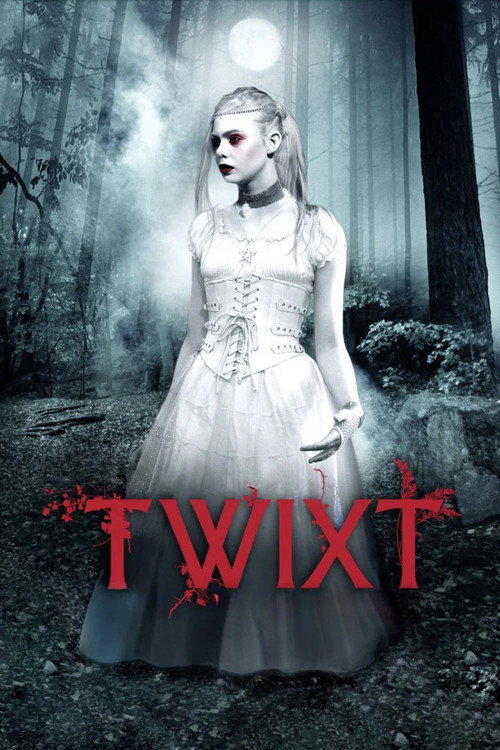
Twixt poster

TWIXT

2011 US HMDB
settembre 10, 2011

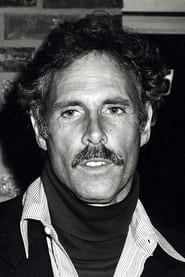
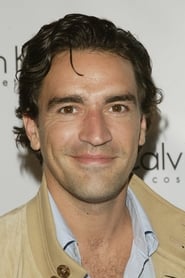
Hall Baltimore (Val Kilmer), scrittore di libri dell'orrore di terza categoria, giunge durante il tour di presentazione del suo ultimo romanzo in una piccola cittadina in cui viene coinvolto dallo sceriffo locale (Bruce Dern) nel caso della morte misteriosa di una giovane ragazza. Quella stessa notte, Hall, che ha perso anche una figlia, riceve la visita del fantasma di un'altra ragazza (Elle Fanning) che lo porta in giro alla scoperta di vecchi oscuri segreti, che gli rivelano aspetti del passato che coinvolgono anche lui e lo scrittore Edgar Allan Poe (Ben Chaplin).

Cast

👍 👎 🔥 🧻 👑

Commenti

Commenti (0)

Troupe

Produzione: Anahid Nazarian (Executive Producer)Fred Roos (Executive Producer)Francis Ford Coppola (Producer)
Musica: Osvaldo Golijov (Original Music Composer)Dan Deacon (Original Music Composer)
Fotografia: Mihai Malaimare Jr. (Director of Photography)

RECENSIONI (1)

Andrea Costantini
Hall Baltimore è uno scrittore di romanzi dell’orrore, la cui specialità è la stregoneria. In crisi creativa e finanziaria, Baltimore inizia un tour promozionale del suo nuovo romanzo, finendo in una piccola cittadina chiamata Swan Valley. Qui incontrerà lo sceriffo del luogo, un uomo mezzo matto che lo coinvolge nelle indagini di una ragazza assassinata con un paletto di legno nel cuore. Mentre dall’altra parte del lago un gruppo di ragazzi passano il tempo facendo orge e adorando il male, Hall Baltimore si farà coinvolgere emotivamente dai fantasmi di quel paese e da quelli che vivono dentro di lui. Universalmente conosciuto come uno dei massimi registi viventi, Francis Ford Coppola è un vero è proprio mito della settima arte. Ha al suo attivo oltre venti film tra cui capolavori assoluti come la saga de “Il padrino”, “Apocalypse Now” e “La conversazione”. Nella sua lunga carriera ha anche esplorato, a modo suo, il cinema dell’orrore con “Terrore alla tredicesima ora” e la fedele rivisitazione del romanzo “Dracula” di Bram Stoker. Nel 2011, dopo un paio di film introspettivi e personali, Coppola ritorna al genere che tanto amiamo con una pellicola che ha spezzato in due il pubblico: “Twixt”. Si tratta della storia di uno scrittore di romanzi dell’orrore in crisi creativa che durante il tour promozionale del suo libro, finirà in una cittadina in cui pare si annida il male. Hall Baltimore, con l’aiuto dello sceriffo fuori di testa del paese, prende a cuore un bizzarro omicidio e grazie alle strane storie che circolano su quei luoghi, intravede uno spiraglio di luce per il suo nuovo romanzo. Prima però dovrà fare i conti con il suo doloroso passato. Guardando “Twixt” subito balzano all’occhio alcune cose, tipiche del regista. Una su tutte è la magistrale gestione dei colori. Come già accadeva in altri suoi precedenti lavori, sono spesso presenti immagini in bianco e nero caratterizzate da un solo elemento cromatico: in “Rusty il selvaggio” c’erano i pesci, in “Segreti di famiglia” i ricordi, qui abbiamo la lanterna di Edgar Allan Poe, il trucco di V e il sangue, elementi che prendono colore nei sogni in bianco e nero di Hall. Non si tratta di un vero e proprio horror, è un film sui vampiri ma che in realtà non parla di vampiri. Parla del dolore di uomo che non riesce ad esorcizzare la perdita della figlia se non affogando i suoi dolori nell’alcol e nella ricerca di una soluzione al senso di colpa. Fino a quando trova uno varco grazie ad Edgar Allan Poe, che come un Virgilio dantesco lo guida attraverso la selva oscura del suo inferno personale, mostrandogli gli orrori di quel paese e gli orrori che si nascondono dentro la sua mente. “Twixt” è un film molto personale per Coppola, affrontando il tema della perdita di un figlio, proprio come è successo al regista durante le riprese del film “I giardini di pietra” in maniera analoga a quella mostrata nel film. Visivamente splendido, il film purtroppo pecca in comprensione. Se in principio la trama sembra lineare e avvincente, appena Baltimore incontra V nei boschi, tutto cambia. All’inizio si sta al gioco, ci si appassiona e sembra di assistere alla versione lynchiana de “Il seme della follia” (molti gli elementi che lo richiamano come il motel, i bambini e il campanile, bizzarro quanto la chiesa bizantina) con personaggi folli e discorsi senza né capo né coda. Poi però non vi sono più svolte e il film prosegue in questo modo alternando continuamente i sogni del protagonista alla realtà, creando parecchia confusione e conseguente calo di attenzione. Però, nonostante i difetti di trama, il film resta un prodotto interessante, naturalmente non ai livelli di molti suoi film precedenti. È bello vedere un artista come Coppola, che potrebbe starsene sdraiato dalla mattina alla sera vivendo sulla gloria dei lavori passati, tentare di rinnovare il suo stile pur mantenendo sempre sobrietà e classe. E se si sorvola sulla trama un po’ pasticciata, si resta comunque affascinati dalla messa in scena. Il cast di star in declino e in ascesa, è composto da Val Kilmer, bolso come non mai, Bruce Dern caratterista gigioneggiante, un Ben Chaplin monocorde e la giovane Elle Fanning, sorella della più famosa Dakota, che rischierà di surclassare la sorella in bravura, l’unica che davvero spicca nel film. Alcune scene del film sono state girate in 3D. Aggiungere mezza zucca al voto finale.
👍 👎 🔥 🧻 👑

Commenti

Commenti (0)

Dove Guardare

Noleggio

Amazon Video Amazon Video
Google Play Movies Google Play Movies

Acquista

Amazon Video Amazon Video
Google Play Movies Google Play Movies

RECENSIONI DALLA COMMUNITY (3)

John Chard

John Chard

6 /10

The bit in between the dream and waking worlds.

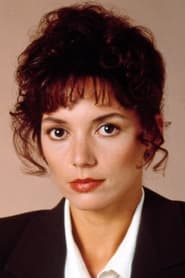
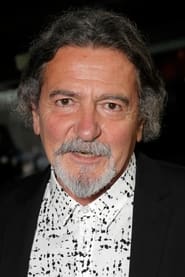
Twixt is written and directed by Francis Ford Coppola. It stars Val Kilmer, Bruce Dern, Elle Fanning, Ben Chaplin, Joanne Whalley and Don Novello. Music is by Dan Deacon and Osvaldo Golijov and cinematography by Mihai Malaimare.

Hall Baltimore (Kilmer) is a struggling writer of witchcraft based novels, during a book signing stop over in a sleepy backwater American town, he finds himself involved with evil, murder and Edgar Allan Poe’s Ghost. But just what is real here?...

Twixt finds Coppola in relaxed mode, in the later stages of his film making career, he’s clearly made an adventurous movie based on a dream and personal instances. Very much operating in the realm of dreamscaping, both on visual and narrative terms, it’s an often silly picture yet one that still beguiles with its weirdness and daring visual touches. There’s also a good quotient of humour, both self aware and absurd, but if searching for a horror movie here you will be very disappointed. The Lynchian feel to it ensures it’s an interesting misfire, while the cast are all very enjoyable, but it’s not a film for a concrete recommendation. 6/10

Wuchak

Wuchak

6 /10

"The horror, the horror" of the creative process

Val Kilmer stars as Hall Baltimore, a third string mystery/horror writer on his latest book tour staying in a small town where he gets involved in a murder mystery upon meeting the eccentric sheriff, Bobby LaGrange (Bruce Dern). He meets a quasi-goth girl named V (Elle Fanning) who reminds him of his pubescent daughter. There's also a camp of weirdo goth-kids across the lake and Edgar Allen Poe shows up now and then as a kind of spirit-guide (Ben Chaplin), but what's dream and what's reality? And who murdered the female in the morgue with a stake?

"Twixt" (2011) was reedited and renamed as “B'Twixt Now and Sunrise” by creator Francis Ford Coppola’s in 2022. It’s a mystery/dramedy with elements of horror, combining the look of Coppola's "Bram Stoker's Dracula" with the inscrutableness of his "Youth Without Youth," plus a welcome side of humor. It's a quirky mystery that leaves you scratching your head, but you find yourself enjoying the ride, a Gothic tale with beautifully haunting cinematography & atmosphere, highlighted by Poe, bell towers, ghosts and bats in the belfry. The enhanced moonlighting and otherworldly blueish gray tones are awesome.

It tackles the creative process as we observe the desperation of a writer scraping the bottom of the barrel, often under the influence of sundry intoxicants. Will he come up with a best seller? Will he solve the murder mystery? Will he come to terms with his specters and demons that arise from his guilt over what happened to his daughter? That element, by the way, brings to mind Francis' 23 years-old son, Gian-Carlo Coppola, who was tragically killed in a similar boating accident in May, 1986. The reckless driver was Griffin O'Neal (Ryan's son).

A lot of the movie is an internal dialogue with the author's own ghosts and literary influences. Charles Baudelaire (a notorious substance abuser) is referenced, with the aforementioned Poe intermittently appearing, but only when Baltimore is under the influence, or dreaming. Did the abuse and murder of the children happen as shown? Or did Poe and the vampire incarnation of Hall’s own daughter serve as muses as he works his way through creating a story that might turn his career around? Coppola leaves it up to you to decide what is real and what is imagination, but the answers are there if you want 'em.

Francis got the story from a dream he had while staying in Istanbul. This sets-up the criticism that Coppola's dream is the audience's nightmare. While "Twixt" and this reedit are too ambiguous for their own good, it’s obviously intentional and he wanted the viewer to leave with questions to ponder. Besides, does everything need to be spelled out?

As for comparing the two versions, this one’s 8 minutes shorter and I think I liked it better (it’s hard to say because I saw the former version 8 years earlier).

It was shot at Kelseyville and the Clear Lake area of Northern California.

GRADE: B+

MISC. INSIGHTS SPOILER ALERT (Don't read further unless you've watched the movie)

A lot of what happens in the town was the author working out his story, but most of it isn't real. The sheriff and deputy are real, as are their deaths at the end, not to mention Baltimore's wife. The sheriff really wanted to write with him. The movie shows what Baltimore experienced as he journeys through his creative process. His book is completed by the end, selling 30,000 copies.

The bell tower strangely features seven different times, perhaps figurative of when Baltimore couldn't join his daughter for a trip due to setting his alarm clock with the wrong time. If he was there, she wouldn't have died, he reasons. So "time" is useless and naturally the antagonist. Even V says keeping track of time "here" is meaningless, which explains her missing the book signing.

An important part of the movie is Hall's loss of his daughter. Time is the 'villain.' By not dealing with the tragic accident Baltimore is figuratively keeping his daughter undead. He's fighting time somehow.

The age of his daughter when she died is also pertinent. She was betwixt a child and a teenager. And Hall was perhaps between deadlines and going on tours, thus missing out on some of her late childhood/early adolescence ("I thought they would be small boats... children's boats...").

The vampire kids represent the sometimes-startling changes children go through as they enter their teens, e.g. their music and the clothes they wear, as they start developing a disposition of their own. It seems weird to their parents who unexpectedly discover themselves "on the outside looking in." The Sheriff symbolizes the older generation; basically saying, "Bah, these kids today!"

The psycho pastor slays the kids to prevent them from "becoming vampires," that is, becoming teenagers who will lose their innocence as they make many mistakes learning to decide for themselves.

Flamingo (Alden Ehrenreich) is akin to the Pied Piper; he "gets away" at the climax because he'll always be around. In short, there will always be a teenage spirit of rebellion, regardless of the clothes it wears.

If these comments sound like dubiously-linking threads, it’s because the movie leaves you with this impression.

Rela Blue Jones

Rela Blue Jones

Now re-released as "B'Twixt Now & Sunrise" the director's cut is actually a little shorter than the 2011 initial release.

This film is a dreamscape with lots of nightmarish, surreal visuals which, unfortunately, are not helped by a flat, cheap, shot-on-digital look (the technology has gotten a lot better since then).

However, there is a lot to like here -- the horror and literary references, plus the cast. And, of course, Francis Ford Coppola movies are worth watching, especially some of the lesser known ones... for example, I liked his 'ageing backward' movie, Youth Without Youth, better than the far more popular Benjamin Button.

Recensioni fornite da TMDB