




Il Verdetto
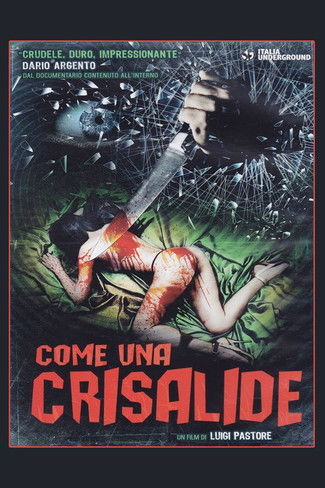
Un uomo tormentato dal ricordo di un amore finito e dalle parole di una psichiatra che lo reputa instabile, si dedica notte e giorno alla ricerca di nuove vittime da aggiungere alla sua collezione di cadaveri. Solo la purezza d’animo può fermare la Crisalide!
Un uomo tormentato dal ricordo di un amore finito e dalle parole di una psichiatra che lo reputa instabile, si dedica notte e giorno alla ricerca di nuove vittime da aggiungere alla sua collezione di cadaveri. Solo la purezza d’animo può fermare la Crisalide!
“L’impulso era diventato irresistibile. C’era una sola risposta alla furia che lo torturava.”
Con questa citazione da “Tenebre” si apre “Come una Crisalide”, lungometraggio d’esordio di Luigi Pastore. Una citazione che è allo stesso tempo una dichiarazione d’amore verso il cinema di Dario Argento e una dichiarazione d’intenti per l’opera che si appresta a guardare. Perché Pastore è un devoto all’opera omnia del Maestro dell’horror italiano e nel suo film vuole esplicitamente esprimere l’influenza che Argento ha avuto sulla sua visione del thriller. Fortunatamente, però, “Come una Crisalide” non è e non vuole essere un semplice film-omaggio, bensì utilizza la citazione in modo intelligentemente allusivo, riuscendo fin da principio ad assumere un’identità autonoma e fortemente caratterizzata da tratti personali.
“Tenebre” raccontava di un serial killer che prendeva a modello gli omicidi descritti in un libro per metterli in pratica nella realtà; “Come
una Crisalide” anche racconta la storia di un serial killer, ma lo fa in modo particolare, innovativo. La novità di questo film sta nell’assoluta mancanza di appiglio per lo spettatore, la voluta impossibilità di fornirgli un punto di riferimento, una visuale con la quale far coincidere il proprio sguardo. Luigi Pastore, in collaborazione con Antonio Tentori, scrive una storia in cui l’unico personaggio costantemente in scena è un serial killer, un protagonista del tutto negativo con il quale è praticante impossibile identificarsi. Per di più il killer, interpretato dallo stesso Tentori, è sempre di spalle, quasi il personaggio di un videogioco con visuale in terza persona che nega allo spettatore perfino l’appiglio visivo.
E’ uno strano personaggio la Crisalide, un assassino spinto dall’odio verso un mondo corrotto e marcio, un mondo popolato da preti pedofili, prostitute e i loro viscidi clienti, anchormen pronti a sfruttare il dolore per fare ascolti, esibizionisti e ragazzetti alla ricerca dello ‘sballo’. La Crisalide è un lupo in una gabbia di lupi, una sorta di disinfestatore pronto ad eliminare chiunque sporchi con la propria presenza un’esistenza gettata in corsa verso un baratro. Paradossalmente, però, il killer vuole essere fermato, è consapevole che la sua impresa è destinata a trovare una fine, così è allo stesso
tempo alla ricerca di un simulacro umano della purezza che appare ormai solo un’utopia.
Il film è condotto con maestria da una mano ferma e particolarmente dedita al sensazionalismo visivo. A Pastore piace portare sullo schermo quel ‘sense of wonder’ che purtroppo manca spesso a molte recenti produzioni di genere addomesticate a tempi ed estetica propri della sintassi televisiva. “Come una Crisalide” presenta una ricercatezza coreografica nella messa in scena degli omicidi che ricorda – non a caso, naturalmente – proprio il Dario Argento di una volta. Violenza spesso portata all’eccesso e una spettacolarizzazione della morte che ha quasi dell’erotico, esplicitata dall’uccisone della cubista nel locale affollato di gente in una delle scene più riuscite del film.
Lodevole anche l’idea di inserire i siparietti con i burattini che raccontano le gesta della Crisalide, dei narratori onniscenti che aggiungono al film la componente ironica e allo stesso tempo restituiscono alla storia quei richiami all’infanzia negata che formano un quadro unitario con la storia del serial killer qui presentato e con la tradizione thriller italiana.
Ovviamente, come spesso accade nella new wave horror italiana, ci sono anche alcuni difetti che non riescono a passare inosservati. “Come una Crisalide” soffre di una ripetitività narrativa che ad un certo punto comincia a farsi evidente e che mina la scansione del ritmo e la ricchezza contenutistica. Una catena di omicidi mostrati uno dietro l’altro che appiattiscono l’interessante spunto di partenza trasformando questo thriller quasi in uno slasher dal punto di vista dell’assassino, con pregi e difetti che il genere può avere.
Buona la prova generale degli attori e piacevole la partecipazione del sempre bravo Riccardo Serventi Longhi (“M.D.C. – Maschera di Cera”; “I tre volti del terrore”) che qui interpreta il cinico giornalista. In un simpatico cammeo nel ruolo di se stesso compare anche Claudio Simonetti e la sua band, i Demonia, a fare da sottofondo musicale a un cruento omicidio. Egregio lavoro anche nel reparto effetti speciali, curati dal Maestro Sergio Stivaletti, e significativo il lavoro per le musiche, a cui ha contribuito anche il mitico Claudio Simonetti..
“Come una Crisalide” risulta quindi un piacevole ritorno allo spaghetti thriller, destabilizzante ritratto di un serial killer che omaggia il cinema di una volta aprendo però una strada nuova e parallela che annulla lo sguardo identificativo dello spettatore. Da vedere.
Commenti
Commenti (0)






Commenti