
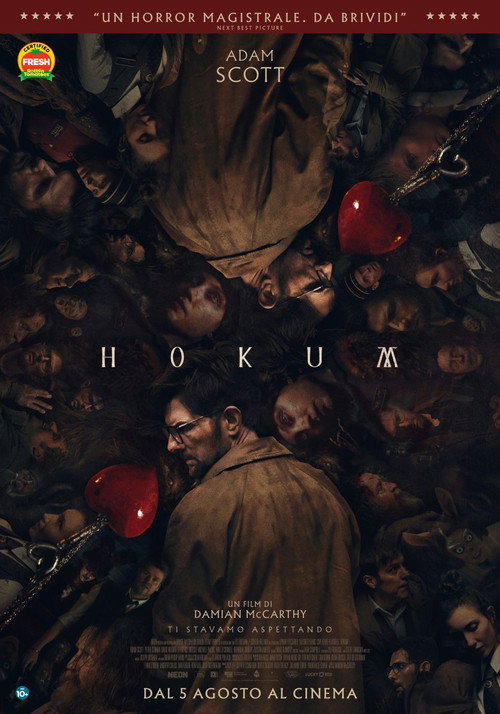









Che cos’è davvero la paura? Secondo la definizione comunemente riportata dai dizionari, è uno stato emotivo provocato dalla percezione di un pericolo reale o immaginario, una risposta istintiva che prepara l’individuo alla fuga o alla difesa. Il cinema horror, però, da sempre cerca qualcosa di più complesso: non limitarsi a spaventare, ma riuscire a evocare quella sensazione irrazionale che continua a tormentare lo spettatore anche dopo la fine del film. È un obiettivo che pochi registi contemporanei riescono davvero a raggiungere. Negli ultimi mesi ci è riuscito brillantemente Ian Tuason con l’inquietantissimo Undertone. Damian McCarthy dimostra di appartenere alla stessa ristrettissima categoria con Hokum, probabilmente il suo lavoro ad oggi più maturo e terrificante.
Ohm Bauman è uno scrittore di enorme successo, impegnato nella stesura dell’ultimo capitolo della saga fantasy sui Conquistadores che lo ha reso celebre in tutto il mondo. Ancora incapace di elaborare il senso di colpa per la morte della madre, evento del quale si ritiene in parte responsabile, decide di raggiungere un remoto villaggio dell’Irlanda per disperdere le ceneri dei genitori. È lo stesso luogo dove madre e padre avevano trascorso il viaggio di nozze, conservandone un ricordo meraviglioso. Ohm prende alloggio proprio nel vecchio Bilberry Woods Hotel, ma scopre presto che l’ultimo piano della struttura è stato chiuso dopo una lunga serie di eventi inspiegabili. La suite nuziale dell’attico sarebbe infatti infestata dallo spirito di una strega. Quando una serie di circostanze costringerà lo scrittore a trascorrere una notte proprio in quella stanza, la leggenda inizierà a trasformarsi in un incubo.
Con Caveat e soprattutto Oddity, Damian McCarthy aveva già dimostrato di possedere un talento fuori dal comune nella costruzione dell’atmosfera. Con Hokum, sostenuto da una coproduzione statunitense e dalla distribuzione di Neon, il regista irlandese compie un ulteriore salto di qualità, fondendo tutto ciò che aveva funzionato nelle opere precedenti in un horror sorprendentemente compatto e maturo.
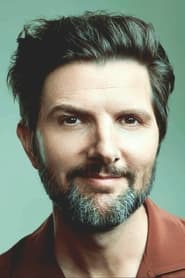
La prima intuizione vincente consiste nel non affidare il peso del racconto alla sola presenza soprannaturale. Il centro emotivo del film è infatti Ohm Bauman, magnificamente interpretato da Adam Scott (Scissione) in quella che potrebbe essere una delle prove migliori della sua carriera. Lo scrittore è un uomo brillante, sarcastico, spesso apertamente insopportabile. Tratta chiunque con sufficienza, alternando continue frecciatine a un atteggiamento quasi ostile verso il mondo intero. È una maschera che nasconde una fragilità enorme. I sensi di colpa per il passato, un evidente problema con l’alcol e una depressione mai spettacolarizzata ma raccontata con dolorosa sincerità trasformano il protagonista in un uomo perseguitato prima ancora che dai fantasmi, da se stesso. Quando il soprannaturale irrompe nella sua vita, il film lascia volutamente in sospeso il confine tra ossessione psicologica e reale infestazione, aumentando ulteriormente il disagio dello spettatore.
Da questa base profondamente introspettiva McCarthy sviluppa un racconto di case infestate che trova nuova linfa nel folklore irlandese. Al centro della vicenda c’è infatti una Cailleach, figura antichissima della tradizione celtica, una sorta di strega ancestrale associata all’inverno, alle montagne, alla morte e al potere della natura. Più che una semplice antagonista, la Cailleach rappresenta una presenza primordiale, quasi mitologica, che il film introduce con grande eleganza attraverso una storia per bambini raccontata dal bizzarro proprietario dell’hotel. È un espediente narrativo semplice ma efficacissimo, perché permette al folklore di insinuarsi lentamente nella realtà senza ricorrere a pedanti spiegazioni.
Il vero co-protagonista, tuttavia, è probabilmente il Bilberry Woods Hotel. McCarthy trasforma la struttura in un gigantesco organismo ostile, sfruttandone corridoi, scale, ascensori, sotterranei e soprattutto l’attico proibito come elementi di una messa in scena costruita sulla sottrazione. L’ultimo piano, con la celebre suite nuziale, beffardamente collegato con i sotterranei da un montacarichi, diventa un luogo da cui sembra impossibile fuggire, un labirinto in cui lo spazio perde progressivamente qualsiasi logica. Ed è proprio qui che il regista firma una delle sequenze più spaventose viste negli ultimi anni, la prima fuga dalla strega: un crescendo di tensione in cui ogni rumore, ogni ombra e ogni dettaglio dell’inquadratura contribuiscono a generare un senso di terrore autentico, senza abusare di facili jump scare.
A sorprendere è anche il tono del racconto. Pur mantenendo un’atmosfera cupissima, Hokum inserisce qua e là lampi di ironia grottesca e surreale che alleggeriscono momentaneamente la tensione senza mai compromettere la credibilità dell’insieme. E c’è anche una sottotraccia da giallo/mistery che, invece, contribuisce a tenere alto il coinvolgimento dello spettatore anche nello sviluppo narrativo della vicenda.
L’aspetto forse più interessante del film è proprio la sua capacità di mettere in dialogo due anime apparentemente lontane. Da una parte c’è un dramma intimista sulla depressione, sul senso di colpa e sull’impossibilità di lasciarsi alle spalle il passato; dall’altra un horror che fonde il racconto di luoghi infestati con il folk horror irlandese. McCarthy non sacrifica mai uno dei due elementi a favore dell’altro: la componente psicologica rende più credibile quella soprannaturale e viceversa, in un equilibrio raro da trovare nel cinema di genere contemporaneo.
Hokum è uno di quei film che ricordano come la paura non dipenda dal numero di creature sullo schermo, ma dalla capacità di insinuarsi nella mente dello spettatore. Damian McCarthy conferma di essere oggi una delle voci più interessanti dell’horror contemporaneo, un autore che non cerca il facile spavento ma costruisce il terrore con pazienza, atmosfera e intelligenza. Se Caveat e Oddity avevano fatto intravedere il suo talento, Hokum rappresenta la definitiva consacrazione di un regista capace di trasformare il folklore, il dolore umano e gli spazi chiusi in un’esperienza cinematografica molto appagante.
Commenti
Commenti (0)



Commenti