





Il Verdetto
Virginia è una giovane e affascinante donna che sta per partire per una vacanza con il suo compagno, Roger. Prima che possano mettersi in cammino incontrano Betty, una vecchia amica di Virginia, e la invitano a passare le vacanze con loro.
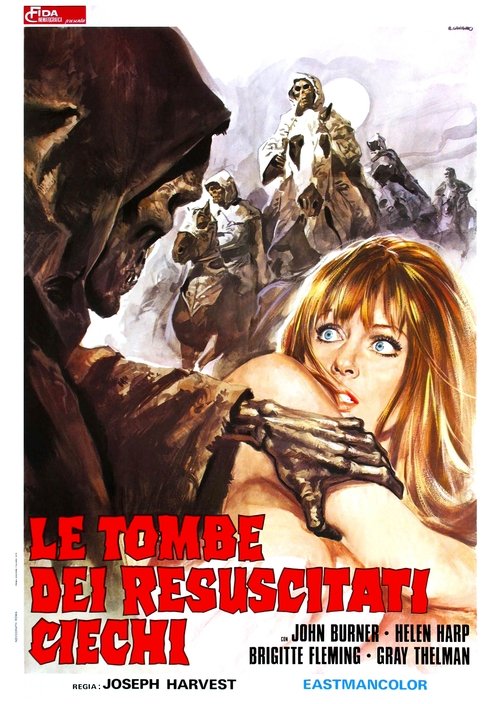
Virginia è una giovane e affascinante donna che sta per partire per una vacanza con il suo compagno, Roger. Prima che possano mettersi in cammino incontrano Betty, una vecchia amica di Virginia, e la invitano a passare le vacanze con loro. Durante il viaggio in treno, Virginia inizierà a nutrire una serie di gelosie per la complicità sorta tra Betty e Roger e così, all’insaputa dei suoi compagni di viaggio, decide di abbandonare il treno in corsa. Virginia, scesa in una terra desolata ed abbandonata da anni, inizierà a vagare sino a trovare una vecchio edificio abbandonato che sorge in prossimità del cimitero; il sole è quasi tramontato e così Virginia decide di passare lì la notte. Ma dopo il tramonto qualche cosa di strano avviene nel vecchio cimitero: un orda di templari zombie, scomunicati e uccisi dalla Chiesa dopo il ritorno dalla Terra Santa poiché accusati di satanismo, ritornano dal mondo dei morti per placare la loro sete di sangue umano. Dopo il ritrovamento del cadavere della povera Virginia, Roger e Betty decideranno di indagare per vedere cosa si cela dietro il brutale delitto della loro amica.
“Le tombe dei resuscitati ciechi” (“La noche del terrore ciego”) altro non è che il primo film, diretto dal celebre regista spagnolo Amando De Ossorio (che si dedicherà, principalmente, all’adempimento dell’intera serie), sulla famosa saga dedicata ai Templari zombie e ciechi per giunta (poiché si dice che dopo la loro impiccagione, i corvi, hanno strappato via gli occhi).
Il film, datato 1971, è ritenuto da molti un piccolo “cult” ed è riuscito a crearsi una cerchia di fan che hanno iniziato a venerare la saga, che ha guadagnato con il tempo una certa fama. In realtà si tratta di una pellicola abbastanza sopravvalutata e che non raggiunge tutti i meriti per guadagnarsi l’appellativo di “cult”. Sono molti infatti i difetti che mostra, difetti che non sempre trovano accoglimento e giustificazione nel fatto che si tratti di una pellicola realizzata in estrema economia poiché tali problemi sono dovuti perlopiù a idee abbastanza infelici.
La sceneggiatura si dimostra abbastanza debole e traballante, poco capace di catturare l’attenzione dello spettatore che corre il rischio, per la prima ora di film, di annoiarsi ed assopirsi. Inoltre presenta fin troppe lungaggini capaci solo di appesantire il tutto, da sottolineare, poi, la presenza di alcune idee assolutamente fuori luogo, utili solo ad allungare il brodo (vedi la scena in cui, senza alcun motivo, torna in vita la ragazza).
Deboli sono anche i dialoghi ma, soprattutto, le performance degli attori che appaiono tutti abbastanza fuori luogo e poco capaci di portare avanti la scena; non sono aiutati neanche da una buona delineazione dei personaggi, che anzi risulta piuttosto approssimata e poco credibile: sono molte le sequenze in cui i personaggi si comportano in maniera poco naturale come la scena iniziale in cui Virginia, tutta sola e spaesata, decide di alloggiare per la notte, con molta disinvoltura, in un edificio abbandonato da anni e accostato ad un cimitero…quante donne, nella vita reale, avrebbero fatto una cosa del genere?
Anche il reparto gore lascia abbastanza a desiderare poiché sono poche (quasi rare) le sequenze che sfociano nel sangue (da segnalare giusto l’efficace tortura, inflitta ai danni di una giovane donzella, mostrata durante la narrazione del passato sui Templari).
Ma ad affascinare, e capace dunque di risollevare l’umore dello spettatore, ci pensa l’affascinante look dei Templari Zombie (e sarà proprio questo il cavallo di battaglia dell’intera saga di Ossorio) che potrebbero risultare ad un occhio inesperto un tantino ridicoli o troppo finti ma che saranno sicuramente di gradimento per ogni vero cultore del vecchio horror.
A dare linfa al film, oltre che l’efficace look degli zombie (simpatico vedere dei morti viventi a cavallo), ci pensa anche il bellissimo ed insolito finale, unico momento in cui la sceneggiatura riesce ad acquistare un po’ di ritmo, che grazie ad un tocco innovativo ed una giusta efferatezza risulta sicuramente da antologia.
In conclusione “Le tombe dei resuscitati ciechi” è un horror un po’ troppo sopravvalutato con molteplici difetti ma che non è esente da aspetti positivi. Poteva, anzi doveva, offrire qualche cosa di più.
Curiosità: In origine, il film, doveva intitolarsi solamente “El Terrore ciego” ma la produzione con la motivazione che il titolo fosse troppo breve e semplice (e visto il successo di altre pellicole dal titolo ben più articolato come “La noche de Walpurgis”) obbligò l’allungamento del titolo con l’aggiunte de “La noche del…”. In oltre, le riprese sarebbero dovute avvenire in Galizia (terra natia del regista) ma per evitare la censura franchista, dato che in quel periodo la Spagna era meta di villeggiatura e un film colmo di superstizioni in cui i morti tornano dall’aldilà per uccidere gli innocenti non sarebbe stato una buona pubblicità, le riprese avvennero in Portogallo. Oggi la saga sui cavalieri templari zombie ammonta a quattro capitoli che però sarebbero dovuti essere cinque; nel quinto le origini sataniche dei templari sarebbero dovute essere condotte al mito dell’uomo lupo, ma alla fine non se ne fece più nulla.
Commenti
Commenti (0)


Commenti