






El Veredicto
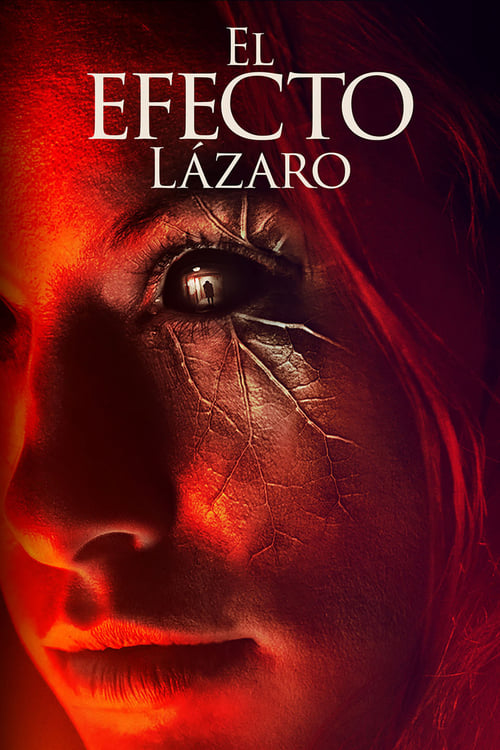
Un grupo de investigadores ambiciosos y de gran genialidad, liderados por Frank y Zoe e inmortalizados por una joven documentalista en busca de tomas impactantes, ven coronados sus largos estudios con el descubrimiento de un suero capaz de devolver la vida a los muertos, denominado "Lázaro".
Un grupo de investigadores ambiciosos y de gran genialidad, liderados por Frank y Zoe e inmortalizados por una joven documentalista en busca de tomas impactantes, ven coronados sus largos estudios con el descubrimiento de un suero capaz de devolver la vida a los muertos, denominado "Lázaro". El primer experimento en un perro resulta un éxito, pero poco después la universidad interrumpe las investigaciones porque se realizaron sin las autorizaciones correspondientes. El grupo, sin embargo, no se desanima y decide continuar probando el suero en secreto, con todos los riesgos que esto conlleva y que se materializan en un accidente en el que Zoe pierde la vida. Frank, que también es el novio de la mujer, no acepta la idea de perder a su amada y decide probar el suero en ella. La operación tiene éxito, pero Zoe, una vez despertada, ya no es la misma y los protagonistas comprenden que han despertado fuerzas malignas. Es el inicio de una pesadilla sin fin...
Si por juego quisiéramos hacer un árbol genealógico del horror, sin duda atribuiríamos el papel de madre a Mary Shelley. Con su novela más famosa, "Frankenstein" (1818), la escritora inglesa marcó para siempre el género y dio inicio a la unión entre el universo horrorífico y el mundo de la medicina, que tanto ha hecho las fortunas de la literatura primero y del cine después. A partir de 1931, el año en que James Whale llevó por primera vez a las pantallas el mito del "Prometeo moderno", las pantallas comenzaron a llenarse de médicos locos que, cegados por su hybris y la obsesión de reemplazar a Dios, intentan por todos los medios devolver la vida a los muertos y crear un hombre perfecto e inmortal.
Así nació un arquetipo consolidado y rentable que vio numerosas reposiciones a lo largo de los años, no sin la inclusión de algunas modificaciones y variantes; basta pensar en la serie "Re-Animator" de Staurt Gordon y Brian Yuzna (inspirada en el relato "Herbert West reanimador" de otro padre de la narrativa fantástica como H.P. Lovecraft) en la que los tonos se volvían decididamente más splatter y sangrientos, o en los góticos italianos de los años sesenta que tenían como protagonistas a científicos locos dedicados también a prácticas más extremas como la necrofilia. En resumen, estamos hablando de un pilar del género, al mismo nivel que vampiros y zombis. Y no es de extrañar que a este carro remunerativo se haya querido unir también el rey del horror de bajo presupuesto, Jason Blum, quien no se pierde esta oportunidad y decide producir una película que cuenta en clave moderna el mito de Frankenstein, "The Lazarus Effect". Al timón encontramos a David Gelb, director de documentales en su debut con el género de terror, que muestra algunos puntos interesantes, aunque la originalidad es la gran ausente de esta película hecha a medida para el gran público.
A pesar de que el tema es uno de los más inflados de la historia del cine, Gelb logra montar una primera parte de la película que tiene una personalidad propia y, sobre todo, no cae en la trampa de convertirla en una larga y aburrida introducción antes de la predecible explosión de violencia y muerte.
El mérito de todo esto debe atribuirse a un guión (escrito por Luke Dawson y Jeremy Slater) preciso y puntual al describir todos los aspectos de carácter científico y atento a proporcionar un bosquejo de caracterización de la protagonista Zoe, aspecto fundamental en la segunda parte. Junto a esta atención al argumento, sin embargo, el director no renuncia a insertar desde el principio una buena dosis de tensión, como la inquietante escena del perro que sube a la cama de la doctora de noche y la mira en una pose amenazante o aquella de la pesadilla que atormenta desde hace años a la protagonista y la devuelve años atrás a un pasado oscuro y turbio.
Las buenas cosas de esta primera parte, sin embargo, se ven empañadas por una segunda mitad predecible y demasiado llena de todos los clichés típicos del cine de terror contemporáneo: y así, vía libre a un uso excesivo de saltos sonoros, apariciones repentinas para buscar un susto fácil y movimientos de Zoe que recuerdan descaradamente al género de las posesiones demoníacas, con vómitos y cuerpo en levitación. A pesar de esto, Gelb logra algunos buenos momentos de miedo basados todos en la atmósfera, realzada por una fotografía que hace oscuros e infernales los ambientes del laboratorio, y en una banda sonora de gran impacto: destacar el sugerente y acertado uso del aria de la Reina de la Noche tomada de "La flauta mágica" de Mozart que subraya una de las secuencias más inquietantes. Lástima por algunos efectos gráficos postizos presentes en partes oníricas no muy fluidas e insertadas con aproximación en una trama que se vuelve cada vez más enredada y encarrilada en caminos ya trillados.
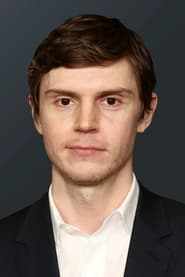
Aportando un significativo aporte y cargando el film sobre sus hombros está la estrella Olivia Wilde, que ya había coqueteado con el terror en la modesta "Turistas", muy efectiva en un papel tan diabólico y verdadera punta de diamante de un reparto de buen nivel formado, entre otros, por los buenos Mark Duplass y Evan Peters, conocido por los más por la serie "American Horror Story".
"The Lazarus Effect" es, por tanto, un producto de entretenimiento discreto, pero para ver algo innovador y valiente, llamen a otra puerta. En resumen, para el gran público puede funcionar, pero para quienes están más alfabetizados en el género, es poca cosa.
Comentarios
Comentarios (0)







Comentarios