



The Verdict
Young Willard is an orphan and lives with an elderly and possessive mother in a large house on the outskirts. The boy works in his father's factory, which he should have inherited, but was ousted by Mr.
Young Willard is an orphan and lives with an elderly and possessive mother in a large house on the outskirts. The boy works in his father's factory, which he should have inherited, but was ousted by Mr. Martin, a despotic and ambitious former colleague of Willard's father. The boy suffers daily abuse of all kinds from his colleagues, employer, and neighbors. So when he discovers a colony of rats in the garden, instead of eliminating them as his mother asked, Willard decides to train them to use in preparation for a fierce revenge.
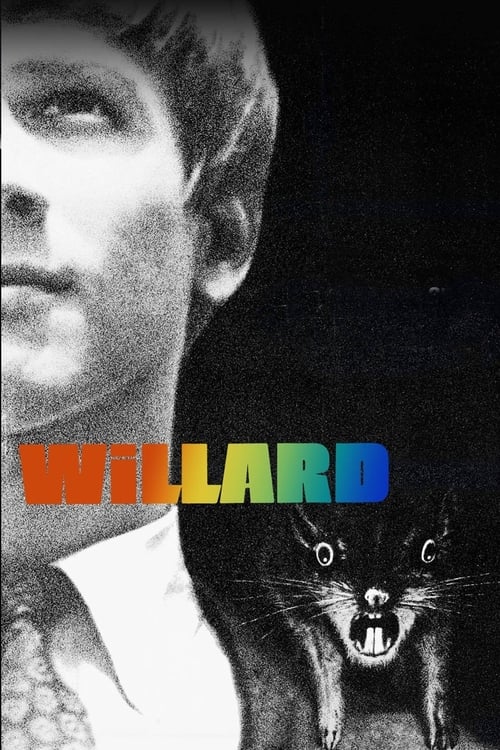
In 1971, beast movies were not yet in vogue and rats, animals repulsive by definition, strangely had not been much used by horror cinema except in some monster movies of the 1950s. So Daniel Mann remedies this lack with a small film that is already explanatory from the title: "Willard and the Rats."
Based on the novel "Diary of Ratman" by Stephen Gilbert, who also writes the screenplay under his real name Gilbert Ralston, "Willard and the Rats" is an anomalous and original film in the landscape of genre films. Mann, who is a classic director with a firm hand, decides to focus on the most intimate and psychological aspect of the story, bringing home a film that is the effective description of the loneliness and mental disorders of the young protagonist.
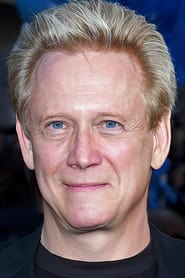
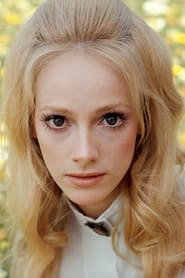
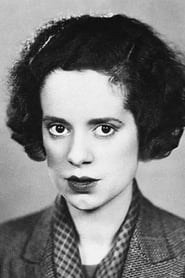
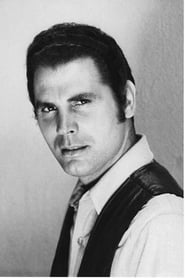
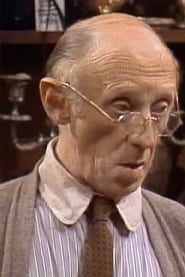
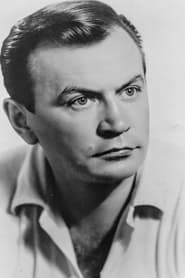
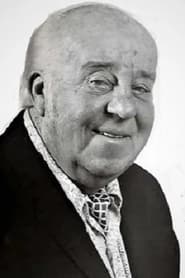
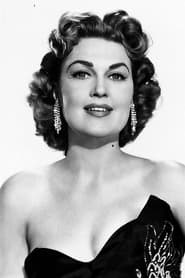
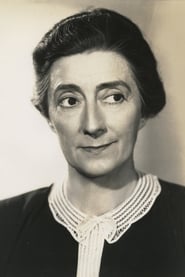
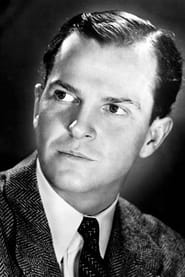
Willard — magnificently played by Bruce Davison ("X-Men": "The Witches of Salem") — is a shy and timid boy, friendless and oppressed by a mother who is both affectionate and possessive (played by the historic wife of Frankenstein, Elsa Lanchaster). The existence of this boy, as often happens when one is in his condition, is frustrating and undermined by every kind of abuse and derision, starting with the bad employer and usurper Mr. Martin, who is portrayed by Ernest Borgnine with all his magnificent acting.
In a situation of loneliness and frustration like the one in which Willard lives, it takes only a small obstacle to find an adequate anchor and thus a small colony of rats provides the boy with a turning point, a purpose in life. With the intention of training them first, and with the awareness of being able to use them for justice afterward, Willard becomes one with his small and unique friends, who become almost an extension of his personality. In particular, two rats stand out from the increasingly numerous colony: Socrates and Ben. The first is a white mouse, diligent and soon elected "best friend" by Willard, the ideal leader of the colony; the second is a large black rat that self-proclaims privileged, sneaking into the boy's room and imposing itself as the "other" best friend. Two animals profoundly different in character who will have a different and complementary role in the process of growth and self-destruction of the boy.
The film has a sustained rhythm, but is adequately punctuated by highlights that always keep the viewer's attention high. If the climax of the horror aspect is concentrated in the moment of the final revenge and its consequences, for the rest "Willard and the Rats" proposes itself more as a psychological drama in which the repulsive aspect is represented by the cute little animals that the protagonist surrounds himself with.
A good job, in short, a solid film and capable of setting an example, which rightly relies on an excellent cast of actors perfectly in their roles.
The success that "Willard and the Rats" achieved in its home country convinced the producers to play the card of the sequel and the following year came "The Last Charge of Ben," scripted again by Ralston and directed by Phil Karlson. In 2003, a remake titled "Willard — The Paranoid" was also made, which accentuates the horror dimension of the story.
In Italian DVD from Jubal Classic Video.
Comments
Comments (0)














Comments