
















El Veredicto
La adaptación cinematográfica de un videojuego es un territorio realmente espinoso de abordar y la historia del cine nos lo ha demostrado una y otra vez con numerosos adaptaciones fallidas, tanto desde un punto de vista cualitativo como económico.
La adaptación cinematográfica de un videojuego es un territorio realmente espinoso de abordar y la historia del cine nos lo ha demostrado una y otra vez con numerosos adaptaciones fallidas, tanto desde un punto de vista cualitativo como económico. Pero si hoy recordamos con agrado una película basada en un videojuego, esa película es Silent Hill de 2006, que Christophe Gans había adaptado del aclamado juego de supervivencia y terror de Konami.
A pesar de que ha habido intentos exitosos de adaptación de un videojuego, incluso recientemente en el campo de las series de televisión (basta pensar en The Last of Us y Fallout), la de Gans sigue siendo el ejemplo perfecto de adaptación cinematográfica de un videojuego por una razón simple: el director francés había encontrado la fórmula perfecta de la adaptación, es decir, no hacer el videojuego punto por punto, sino reinterpretarlo manteniéndose fiel al ambiente y la atmósfera del producto original.
Esta también fue la razón por la que Silent Hill: Revelation de M.J. Bassett en 2012 había fracasado, porque se alejaba considerablemente de las sugerencias típicas de la saga para buscar refugio de manera torpe en la acción y la espectacularidad del 3D.
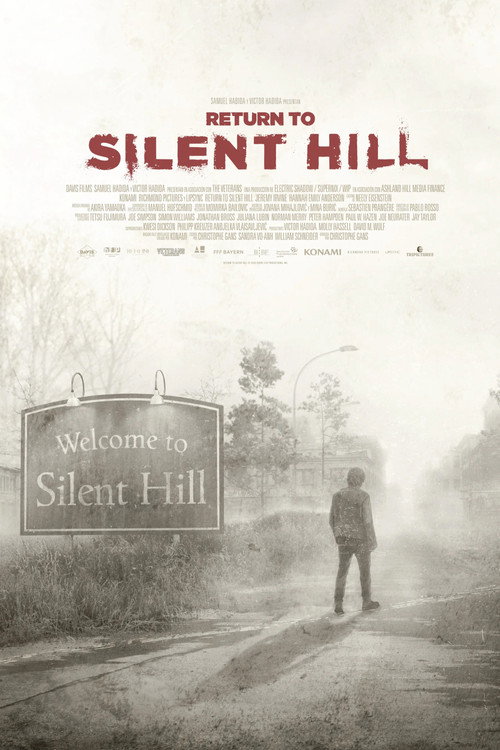
A veinte años del exitoso resultado de la película con Radha Mitchell y Sean Bean, Christoph Gans vuelve sobre sus pasos y, aprovechando también el renovado interés del público de los videojuegos por el segundo hermoso capítulo de la saga en consolas, del cual el año pasado se lanzó el remake, firma Return to Silent Hill que se refiere precisamente al videojuego Silent Hill 2 de 2001.
En realidad, la idea de Gans de perderse nuevamente en la niebla de Silent Hill es anterior al regreso de Silent Hill 2 en consolas de nueva generación, porque el autor de Crying Freeman y El pacto de los lobos había anunciado ya en 2020 que estaba escribiendo una nueva película de Silent Hill que luego entró efectivamente en producción en 2022. Pero el itinerario de Return to Silent Hill no ha sido nada sencillo debido a problemas con la producción ejecutiva, una larga posproducción y una distribución que tardó en avanzar hasta que Cineverse de Terrifier 3 decidió creer en el proyecto.
Pero vamos al grano: ¿cómo es Return to Silent Hill?
Gans ha hecho un trabajo diferente, aunque similar, en comparación con la primera película, en primer lugar porque esta vez ha decidido adaptar fielmente Silent Hill 2, pero al mismo tiempo se percibe una especie de continuidad con el contexto construido para la otra película, un contexto que presentaba pequeños pero significativos cambios en comparación con el videojuego.
Por esta razón, la forma en que Gans ha trabajado en Return to Silent Hill refleja mucho lo que el Team Silent de Konami desarrolló con los videojuegos, es decir, crear un mundo suspendido entre la realidad y la pesadilla con reglas bien precisas y ambientar en él, una y otra vez, diferentes historias. Pero, si queremos ser exigentes, en Silent Hill de 2006 Gans y el guionista Roger Avary ponían mucho de sí mismos, en Return to Silent Hill Gans y los co-guionistas Sandra Vo-Anh y William Josef Schneider se apoyan mucho más en el guion de Silent Hill 2 enfrentándose a las obvias dificultades de adaptar una historia pensada para un medio diferente y también muy compleja desde el punto de vista metafórico y psicológico.
Pero hagamos un paso atrás: ¿de qué trata Return to Silent Hill?
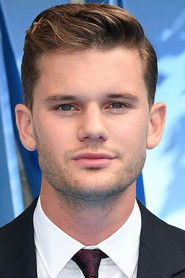
James Sunderland (Jeremy Irvine) ha recibido una carta de su esposa Mary (Hannah Emily Anderson) en la que la mujer le dice que lo estaría esperando en su lugar especial. El problema es que Mary lleva muerta tres años y James no ha logrado superar el trauma por la pérdida, a pesar de haber estado en análisis. Entonces James se pone en camino hacia Silent Hill, el pueblo donde conoció a Mary, identificando en el Lake View Hotel que da al Toluca Lake su "lugar especial". Pero cuando James llega a Silent Hill, encuentra un pueblo abandonado, sobre el cual se ha abatido un incendio que aún arde en el subsuelo y que causa una densa capa de niebla generada por la misma ceniza del incendio. Como si no bastara, al sonido de una sirena, Silent Hill cambia de rostro y se llena de criaturas espeluznantes que parecen salidas directamente del Infierno.
Con Return to Silent Hill la diferencia entre videojuego y película se vuelve muy sutil y Gans decide hablar principalmente a los jugadores. Algunos momentos clave de Silent Hill 2 se reproducen con extrema fidelidad, incluso copiando la dirección para ofrecer al espectador (y jugador) citas a prueba de errores. Sin embargo, se nota que hay una idea detrás que va más allá del simple guiño, porque la película es coherente con lo que "inventó" Gans y Avary en la película anterior sin mostrar ningún vínculo directo con esa historia. En otras palabras, hace en el cine lo que Silent Hill 2 hacía en el videojuego. Y esto es realmente admirable porque nos dice cuánto amor y cuán sincera comprensión de la obra hay en el texto que se adapta.
La primera mitad de Return to Silent Hill recuerda en su mecánica narrativa a la de Silent Hill de 2006, así como está dedicada a crear la atmósfera, los primeros encuentros de James con los habitantes de Silent Hill, el primer impacto con la dimensión de la pesadilla y con los monstruos que la pueblan. La atmósfera es perfecta y realmente espectacular, algunas criaturas ponen los pelos de punta, como los "patient demons" y las icónicas "enfermeras" (lástima que no estén los "mannequins" mencionados solo a través de una criatura que James encuentra en los Apartamentos de Wood Side y que recuerda también a Scarlet de Silent Hill: Homecoming). Luego están los jefes del videojuego, desde Hangman hasta Doorman hasta el inevitable Pyramid Head que se introdujo precisamente en 2001 dentro de Silent Hill 2 como reflejo distorsionado de la psique de James.
También los lugares son los famosos del videojuego, reproducidos con extrema fidelidad, y los personajes que lo pueblan, desde Angela hasta Maria, pasando por Eddie y la pequeña Laura.
Al mismo tiempo, Gans vuelve sobre aquellos elementos que había tratado en la película de 2006 y que no existen en el videojuego Silent Hill 2, como el incendio, la sirena que anuncia el paso al Otherworld y la secta de fanáticos religiosos que aquí reescribe de cero la historia de los orígenes de Mary.
Pero también hay que decir que Silent Hill 2 es un videojuego narrativamente complejo que toma fuerza del hecho de que la acción del juego acompaña una estructura psicológica que se desarrolla lentamente, permite al jugador sumergirse en la mente del protagonista y comprender sus matices a través de simbolismos y falsas realidades. Por fuerza, una película de 110 minutos no puede seguir el mismo camino narrativo del juego, no tiene el tiempo y el valor inmersivo. Por lo tanto, además de la contaminación con elementos inéditos, se sigue el camino de la simplificación que afecta negativamente sobre todo la presencia de los personajes secundarios. Eddie (interpretado por Pearse Egan) está allí pero ya no tiene una verdadera función, Angela pierde ese trasfondo dramático que caracterizaba su historia y se convierte en otra cosa (que es mejor no revelar), así como la insoportable Laura (Evie Templeton, que también dobló e interpretó en motion capture a Laura en el remake de Silent Hill 2), quizás la que sale mejor junto con Maria.
Pero hay un problema enorme que no debe subestimarse: estoy analizando la película como conocedor del videojuego, suponiendo que ustedes que me leen conocen el videojuego, algo que también hace Gans con Return to Silent Hill. No es por supuesto algo que se pueda dar por sentado. ¡Y el espectador que no es jugador de videojuegos podría sentirse desorientado, percibiendo la película como llena de agujeros de guión! Y no se le podría dar la razón, en fin, porque la película exige un esfuerzo para ser entendida que a veces va más allá del enfoque pasivo que muchos espectadores tienen.
Por lo tanto, a Return to Silent Hill le falta esa perfección formal que caracterizaba la primera película y que la hacía un must para los jugadores de videojuegos pero también un producto accesible y perfectamente disfrutable para el espectador clásico.
Por lo demás: atmósferas perfectas, momentos de tensión bien manejados, criaturas con un diseño atractivo y música increíblemente sugerente, curada por Akira Yamaoka, que había compuesto tanto la música de los primeros videojuegos como la de la película de 2006.
Comentarios
Comentarios (0)








Comentarios