
Il Grande Inquisitore backdrop
Il Grande Inquisitore poster

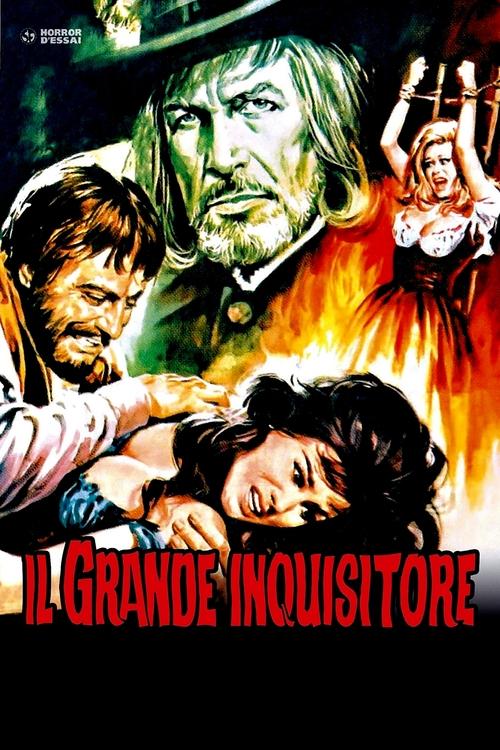
IL GRANDE INQUISITORE

Witchfinder General

1968 GB HMDB
maggio 17, 1968

Inghilterra, 1645. La crudele guerra civile tra realisti e parlamentari che sta devastando il paese provoca un'epoca di caos e arbitrarietà legale che permette a uomini senza scrupoli di trarre profitto sfruttando le assurde superstizioni dei contadini; come Matthew Hopkins, un mostro travestito da uomo che vaga di città in città offrendo i suoi servizi come cacciatore di streghe.

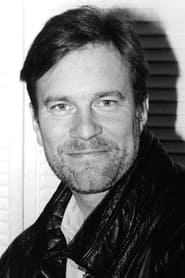
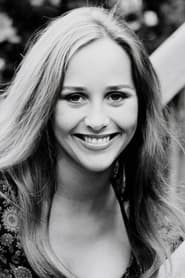
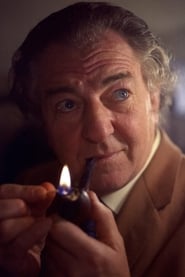
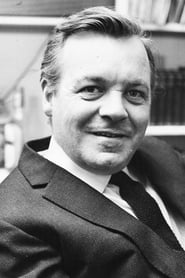
Cast

👍 👎 🔥 🧻 👑

Commenti

Commenti (0)

Troupe

Produzione: Louis M. Heyward (Producer)Arnold L. Miller (Producer)Philip Waddilove (Producer)Tony Tenser (Executive Producer)Samuel Z. Arkoff (Executive Producer)James H. Nicholson (Executive Producer)
Sceneggiatura: Michael Reeves (Screenplay)Tom Baker (Screenplay)
Musica: Paul Ferris (Original Music Composer)
Fotografia: John Coquillon (Director of Photography)

RECENSIONI (1)

Roberto Giacomelli
Nel 1645, nel bel mezzo della guerra civile inglese, l’inquisitore Matteo Hopkins e il suo aiutante John Sterne si muovono di paese in paese in cerca di streghe e papisti da uccidere. I due giungono a Brandstone, chiamati dagli abitanti che accusano il reverendo Lowes di stregoneria, e impiccano l’uomo dopo aver abusato sessualmente della nipote Sara. Saputo dell’accaduto, il soldato Richard, promesso sposo di Sara, giura vendetta all’inquisitore e fa rifugiare Sara in un paese vicino. Nel frattempo, Hopkins, che è a conoscenza dell’uomo che lo sta cercando, arriva proprio nel paese in cui Sara si è stabilita e la cattura con l’accusa di stregoneria. Ci sono opere cinematografiche che il tempo ci sta occultando, film dalla grande forza contenutistica e dall’indiscutibile carica emotiva e visuale che oggigiorno non vengono più (o non lo sono mai stati) sufficientemente ricordati e celebrati. Appartiene sicuramente a questa categoria “Il grande inquisitore”, dramma in costume mascherato da horror truculento diretto nel lontano 1968 dall’inglese Michael Reeves. Prendendo spunto da un romanzo/saggio storico di Ronald Bassett (“Matthew Hopkins: Witchfinder General” del 1966), la American International Pictures affidò al giovane Reeves la regia di questo anomalo film di genere, già, perché a monte dei contenuti e dell’origine “alta” della tematica trattata, “Il grande inquisitore” vuole essere un film di genere, proprio come era consuetudine per gran parte dei prodotti targati AIP. Ma il limite che questa volta scinde l’exploitation dalla “serietà” è sottile e spesso invisibile, tanto che ogni catalogazione risulta stretta o inappropriata per il film in questione. Reeves e il suo co-sceneggiatore Tom Baker vogliono fondamentalmente e apertamente fornire un apologo di condanna al potere: qualsiasi uomo meschino fornito di un minimo di supremazia, intellettuale, politica o economica che sia, è portato ad usarla meschinamente per soddisfare con maggior facilità i suoi più bassi istinti. L’inquisitore Hopkins, armato di credibilità e autorevolezza agli occhi di una massa superstiziosa e impaurita, può dar sfogo al suo sadismo placando la sua sete di sangue, sesso perverso e soldi, che arrivano puntualmente e copiosamente ad ogni località da lui visitata. Nel suo libro, Bennett tira in ballo numeri molto alti, 230 persone uccise per stregoneria in poco più di un anno dal vero Matteo Hopkins, dimostrando così che l’orrore della realtà è a volte incredibile perfino per la fiction. Reeves confeziona così un’opera dalla grandissima forza emotiva, incredibilmente audace per il periodo in cui è stata prodotta. Il ’68 è stato un anno – ma possiamo definirlo anche un vero e proprio periodo storico – di grande e ineguagliabile rottura con le convenzioni precedenti e il cinema non è stato da meno, cogliendo al balzo queste intemperie culturali e sociali riscrivendo completamente linguaggi e modalità produttive. “Il grande inquisitore” è esplicativo in questo senso, capace di affrontare apertamente tematiche “scottanti” come la denuncia del potere e della religione, utilizzando immagini di grande crudezza. Le torture non vengono mai risparmiate allo spettatore e il sadismo e la perversione sessuale del personaggio dell’inquisitore riescono ad assumere una perversa e sgradevole fascinazione sullo spettatore. Basti pensare alla grandissima forza che assumono le immagini finali del film, anticipatrici di una crudezza e di un pessimismo esistenziale tipico dei film più rappresentativi del decennio successivo. Il cast è composto da buoni attori come Ian Ogilvy (“Il killer di Satana”; “La bottega che vendeva la morte”), Rupert Davies (“I cinque draghi d’oro”, “Le amanti di Dracula”), Hilary Heath (“Satana in corpo”, “La rossa maschera del terrore”), ma su tutti regna Vincent Price, nel ruolo del grande inquisitore, che per molti dà qui una delle sue migliori prove recitative. In realtà Price ebbe un pessimo rapporto lavorativo con il regista Reeves, che non voleva che l’attore si esibisse in una recitazione sopra le righe come di consueto e come in definitiva fece anche in questo caso. Infatti si dice che Reeves volesse nel ruolo Donald Pleasence, che aveva apprezzato nel ruolo del malvagio Blofeld in “Agente 007 – Si vive solo due volte”, ma la AIP impose Price in quanto attore di sicuro richiamo per il pubblico. La prova di Price risulta comunque particolarmente convincente e la riuscita del film è sicuramente attribuibile anche al suo apporto. Reeves si stava aprendo una rispettabilissima strada nel genere horror, firmo alcuni buoni film di genere come “Il lago di Satana” e “Il killer di Satana”, ma il suo titolo di maggiore interesse rimane proprio “Il grande inquisitore”, purtroppo ultima sua pellicola, dal momento che morì suicida a soli 26 anni nel 1969. Aggiungete mezza zucca in più al voto finale.
👍 👎 🔥 🧻 👑

Commenti

Commenti (0)

RECENSIONI DALLA COMMUNITY (3)

talisencrw

9 /10

An undeniably brilliant swan song for the ill-fated directorial prodigy Reeves, with remarkable vision, and a ghastly sadistic performance by Vincent Price. Hard to like the film because it gets under your skin with its brutality and just stays there, eating you from within. A very fine work that stays with you, hauntingly.

Wuchak

Wuchak

7 /10

Cinema's account of the infamous Matthew Hopkins

The infamous witch-finding exploits of Matthew Hopkins in Eastern England circa 1646 are chronicled based on Ronald Bassett’s 1966 novel. Hopkins (Vincent Price) and his colleague John Stearne travel from village to village brutally torturing "confessions" out of suspected witches and charging the local magistrates for the "work" they carry out.

"Witchfinder General" (1968) is a Tigon production, a minor rival of Hammer Films, retitled "Conqueror Worm" in America with the addition of opening/closing quotes from the Poe poem by Price merely to link the movie to Corman’s Poe-inspired flicks and, theoretically, sell more tickets.

Some call this "the original torture porn" and I suppose the torture scenes were pretty radical in 1968, but the film always struck as a British Western with a simple rape/murder/vengeance plot: A soldier's beautiful fiancé is raped and her uncle tortured & murdered for supposedly being a witch. When the soldier (Ian Ogilvy) finds out, he vows revenge.

In short, it’s like a Western transplanted to 17th century England more so than a torture/horror film, although there is that element. The one death that I found particularly unsettling was where a woman is burned to death by being lowered into a bonfire. It definitely has a lasting impact.

The writer/director was Michael Reeves, a promising young filmmaker. Unfortunately he died of an accidental barbiturate overdose less than nine months after the film was released at the premature age of 25. The dosage was too marginal to suggest suicide; besides, he was already busy working on another film project.

Reeves and star Vincent Price reportedly didn't get along. The director was banking on Donald Pleasence for the title role but, when AIP got involved, they forced Price on him and he had to revise the script accordingly with his cowriter. Reeves mainly objected to Price's somewhat hammy acting style and did everything he could to get Price to play it straight. He would say things like, "Please, Vincent, try to say it without rolling your eyes." At one point Price pointed out to Reeves, "I've made 87 films, what have you done?" The director responded, "Made three good ones.”

After viewing the finished product, Vincent admitted that he saw what Reeves was trying to do and wrote him a 10-page letter praising the movie. After Reeves’ death Price stated: "I (finally) realized what he wanted was a low-key, very laid-back, menacing performance. He did get it, but I was fighting him almost every step of the way. Had I known what he wanted I would have cooperated."

The film is only partially accurate as far as history goes, although the gist is true. The real Matthew Hopkins was in his mid-20s when he committed his atrocities, not almost 60 as was the case with Price. Also, Hopkins & Stearne were reportedly accompanied by female assistants. As far as Hopkins' death goes, tradition tells us that disgruntled villagers caught him and subjected him to his own "swimming test," but there's no actual evidence to support this; most historians believe he died of tuberculosis at home shortly after his torturous escapades in 1647, only 27 years-old.

One of the film's highlights for me is Hilary Dwyer, who plays the soldier's fiancé/wife. She's just a uniquely beautiful woman and a pleasure to behold.

Another strong point is the ending which a man mad with rage hacking someone to death while a just-tortured woman screams and screams. The evil inflicted upon them has brought them to this point of maniacal frenzy. They were venting and it smacks of reality. Despite the downbeat climax I've always viewed it as somehow uplifting for obvious reasons. There's no reason we shouldn't assume that they moved on to live a happy life.

While "Witchfinder General" is not a Hammer film, it is a British movie made at the time when Hammer was in its prime; it therefore has that Hammer vibe, which is why some mistake it for a Hammer picture. Needless to say, if you like Hammer you'll appreciate this. Yet "Witchfinder General" stands apart; it has its own uniqueness, no doubt due to Reeves’ burgeoning genius. As such, the flick is special. Some of the photography is hauntingly beautiful; the protagonists — the noble soldier and winsome Sara — are exceptional; the villains dastardly; and the ending innovative.

So why not a higher rating? Because, as special as this movie is, it's not the most compelling saga, despite lots of action. Artistically, it's gets an 'A' as a low-budget cult flick from that era but, story-wise, there’s room for improvement.

The film runs a short-but-sweet 1 hour, 27 minutes, and was shot in Suffolk & Norfolk, England, both a 1-2 hour drive northeast of London.

GRADE: B+

CinemaSerf

CinemaSerf

7 /10

Vincent Price is superb in this depiction of the tyrannical, evil "Matthew Hopkins", tasked amidst the English Civil War to bring fear and terror to the population. Playing to just about every phobia and superstition, he travels the land seeking out and punishing those who worship or serve the devil... There is a magnificent scene in which he divines that a man dropped into the river with stones tied about him will be a witch if he floats, innocent if he sinks (and drowns!)... Sums up the science, really - and the really quite perturbing attitudes that prevailed, even amongst those deemed educated or sophisticated. Ian Ogilvy is "Richard Marshall", a man determined to stop these atrocities and at risk to himself and his family - and we have now watch a battle royal between the two men as worthy as any fought in the war. It's, at times, quite gruesome to watch - and the whole look of the film adds oodles to the sense of menace evoked by this truly malevolent man. Again, based on the vivid imagination of Edgar Allan Poe, this film is a cracker for late on a winter's night with a glass of red wine and a rogue branch tapping on the window.

Recensioni fornite da TMDB