

It Gets Dark at Five: 5 Horror Films for the Longest Nights
Daylight saving time gives us an extra hour of darkness—let's make the most of it with five films that have made the night their canvas.

-
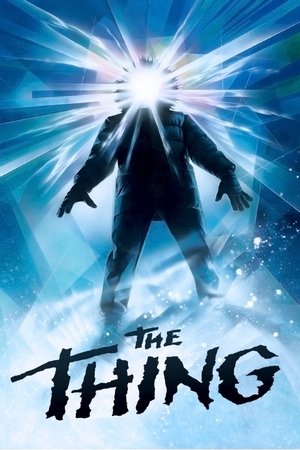
The Thing
The Thing (1982)Antarctica is the perfect setting for a horror film that never lets you see the sun: in Carpenter's base, night lasts for months and the white of the snow blinds you just as much as darkness does. Here, darkness isn't a backdrop—it's the condition of the experiment itself: no one can look outside to get their bearings, no one can tell who's still human from who's stopped being human. The artificial light of the corridors becomes a promise that can shatter at any moment, and when it goes out, you no longer know who to trust. Carpenter frames isolation as claustrophobia under an open sky: ice outside, paranoia within. The Thing remains the textbook on how darkness multiplies suspicion instead of concealing it.
-
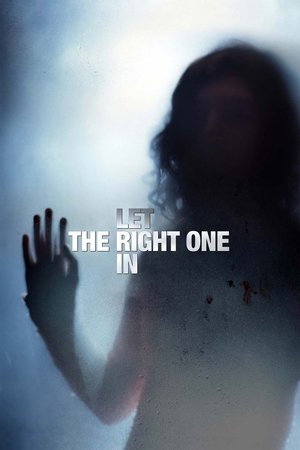
Lasciami Entrare
Let the Right One In (2008)In Blackeberg, winter is an unforgiving sheet of ice and darkness falls by early afternoon—when courtyards empty out and windows flicker to life. Alfredson doesn't need screaming monsters: a housing block, snow that never melts, and a barefoot girl who feels no cold are enough. The darkness here doesn't hide evil; it makes it almost tender—a blanket under which Oskar and Eli can meet without the world's judgment. Tenderness and horror inhabit the same twilight, and you never quite know which is winning. A love story wrapped in horror, built on dusk and silence.
-
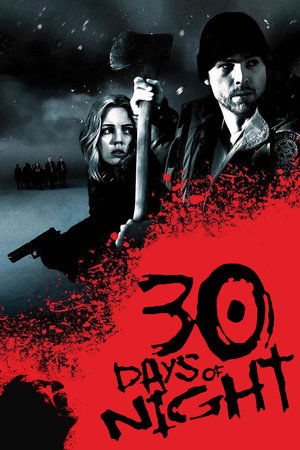
30 Days of Night
30 Days of Night (2007)Barrow, Alaska: for thirty days, the sun never rises. Slade takes a geographical fact and transforms it into an instrument of terror: vampires have no reason to rush, knowing daylight will never come and the town is already a sealed pantry. Snow becomes a blank page where blood writes its story, and artificial light—a match, a flashlight, a hastily lit fire—becomes the most precious resource imaginable. The film grasps something simple and savage: darkness isn't the absence of light, it's a place, and something lives there. Each missing dawn tightens the noose a little more.
-
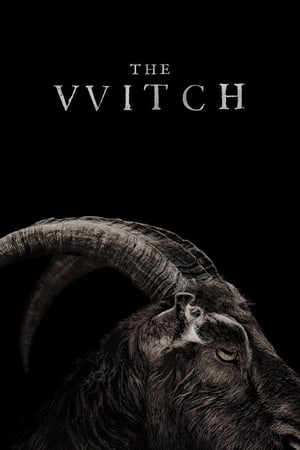
The Witch
The Witch (2016)William's family leaves the colony and settles at the forest's edge—and in seventeenth-century New England, that forest is already darkness at noon. Eggers shoots almost entirely in natural light, and the gloom of candlelight becomes the true antagonist: you never see enough to feel safe, yet always see too much to look away. The isolation is not merely geographical—it's theological, familial, and it deepens with every sunset like crops that refuse to grow. Outside lurks evil, inside festers suspicion, and the line between them blurs with each passing night. A debut that redefined folk horror by the light of a single flame.
-
The Dark and the Wicked
The Dark and the Wicked (2020)A remote farmhouse, a father dying slowly, two siblings returning home one last time. Bertino explains nothing: he kills the lights and lets evil move through the corridors, past half-open doors and sounds with no source. Night here isn't just backdrop—it's a character, a presence waiting outside the window that slips in the moment you look away. There are no rules to learn, no clues to piece together: only a house, pitch-black countryside, and the creeping sense that something has already decided your fate. One of the most vicious and criminally underrated horror films of recent years.

 Enter
Comments
Delete Comment?
Are you sure you want to delete this comment? Its text and images are erased immediately and cannot be recovered.
Report comment
Select the reason for reporting