Incubi Notturni backdrop
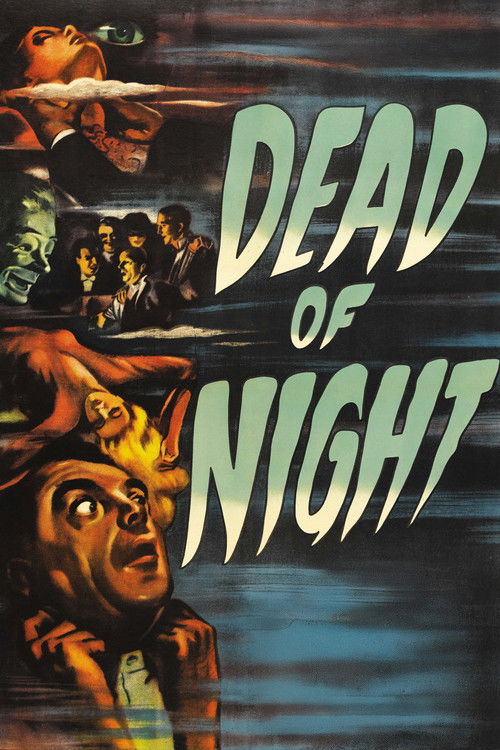
Incubi Notturni poster

INCUBI NOTTURNI

Dead of Night

1945 GB HMDB
settembre 9, 1945

Un architetto arriva in una casa di campagna che deve ammodernare e ha la sensazione di averla già vista in un incubo ricorrente di cui ha dimenticato il finale. All'ora del tè cinque degli ospiti raccontano esperienze soprannaturali. Verso il tramonto, rimasto solo con lo psicanalista Van Straaten, l'architetto tenta di strangolarlo. È il finale tremendo di un sogno dal quale si sveglia. Ma una telefonata lo convoca in una casa di campagna: è la stessa del sogno, e vi ritrova le medesime persone.

Cast

Commenti

Troupe

Produzione: Michael Balcon (Producer)
Sceneggiatura: John Baines (Screenplay)Angus MacPhail (Screenplay)T. E. B. Clarke (Writer)
Musica: Georges Auric (Original Music Composer)
Fotografia: Douglas Slocombe (Director of Photography)Stanley Pavey (Director of Photography)

RECENSIONI (1)

Andrea Costantini

Walter Craig è un architetto che prende come incarico di modernizzare una villa in piena campagna inglese. Una volta giunto a destinazione, si accorge di aver già visto quella villa in sogno. La stessa sensazione la prova appena vede le persone che in quel momento sono nella casa. Ogni movimento, ogni parola è già stata vista dal signor Craig. Spaventato, racconta il suo sogno ai proprietari della villa i quali a loro volta intratterranno l’architetto con vicende soprannaturali che li hanno coinvolti. Fino a quando il sogno di Craig si trasforma in un incubo. C’è una tipologia di film, tipico del cinema dell’orrore, che nel corso degli anni ha sfornato parecchie pellicole degne di nota. Il genere in questione è il film ad episodi. Esempi come “Creepshow”, “I delitti del gatto nero” oppure “ABC’s of Death” sono diventanti dei classici per l’amante del cinema dello spavento. L’abitudine degli sceneggiatori dei film ad episodi è solitamente quella di prendere diverse idee, mantenere un filo conduttore (non obbligatorio e non sempre presente), come per esempio opere tratte da uno stesso autore, oppure un elemento della storia che accomuna i racconti e comporre una specie di mosaico fatto da una serie di corti o mediometraggi. Nel lontano 1945 faceva capolino uno dei primi esempi di film a episodi. Difficile dire se si tratti realmente del capostipite di questo genere ma sicuramente si tratta di uno dei primi. Il film in questione è “Incubi notturni”, conosciuto anche con il titolo “Nel cuore della notte”. Si tratta di un’operazione molto particolare e soprattutto davvero ben riuscita. Vista al giorno d’oggi è impossibile non pensare alla serie tv cult “Ai confini della realtà” (che però fece la sua comparsa sugli schermi televisivi quasi quindici anni dopo). Storie brevi, ognuna con protagonisti differenti ma che hanno in comune il mistero, il non spiegato, quel soprannaturale fatto di molte domande e poche risposte. “Incubi notturni” non solo riesce a raccontare cinque storie, diverse una dall’altra per stile, durata e contenuto in maniera impeccabile ed essenziale, ma riesce a centrare in pieno l’obiettivo unendo le storie una all’altra in maniera coerente, credibile e misteriosa. Tutto ruota intorno al signor Craig e al suo sogno in cui sono presenti tutti i personaggi che ritrova nella casa di campagna. Ognuno di questi personaggi ha un ruolo ben preciso nel sogno di Craig (e di conseguenza nella realtà) e questo ruolo si svela man mano che la storia prosegue. Gli episodi in questione non sono altro che i racconti degli ospiti della villa di campagna, raccontati al signor Craig per tranquillizzarlo, per fargli capire che non è l’unico che ha avuto a che fare con momenti ai confini della realtà. Un pilota, dopo un incidente, è perseguitato da una premonizione che si rivelerà molto importante per salvare la sua vita; una ragazza, mentre gioca a nascondino con alcuni bambini, ne trova uno in lacrime nascosto nella soffitta; uno specchio come regalo di compleanno si trasforma in un finestra su un’altra dimensione; la storia di due amici accaniti giocatori di golf che sfocia nella tragedia per rivalità amorosa e la follia di un ventriloquo governato dalla sua marionetta. Storie diverse, unite da un finale agghiacciante, il momento annunciato in cui il sogno dell’architetto Craig si trasforma in incubo, dove i personaggi di tutte le storie convergono nello stesso posto in una sequenza delirante. Analizzando episodio per episodio si hanno risultati altalenanti. Se i primi due racconti (“Il conducente del carro funebre” e “Il ricevimento natalizio”) non spiccano per originalità, dal terzo episodio in poi si ha a che fare con momenti di alto cinema. Ne “Lo specchio incantato” siamo davanti ad una storia carica di mistero in cui si spazia dalla murder story alle realtà parallele, tutto a causa di un oggetto che anche nel futuro sarà spesso considerato strumento di ambiguità e porta per altri mondi. Il quarto episodio (“Una storia di golf”)è un mix tra Hitchcock e Agatha Christie, una sorta di dark comedy con una storia drammatica ricca di momenti divertenti. Sicuramente l’ultimo episodio, “Il pupazzo del ventriloquo”, è il migliore. La bambola come strumento di terrore è nato da qui e ancora oggi Hugo, la marionetta, è uno dei più raccapriccianti esempi di pupazzo demoniaco. Il finale gioca perfettamente sulla ciclicità prendendo in giro lo spettatore e i protagonisti. Purtroppo dimenticato, è un chiaro esempio di come una volta si sfornavano capolavori.

Commenti

RECENSIONI DALLA COMMUNITY (2)

John Chard

John Chard

9 /10

A weekend in the country? I should go.

Architect Walter Craig arrives at Pilgrim's Farm for a weekend party held by what he hopes is a prospective client. Upon entering the farm house, Walter amazes everyone by telling them that he has a recurring nightmare about the house, the weekend and everyone in it. This sets off talk about the supernatural and each guest takes it in turn to recount their own strange tale...

Dead Of Night is brought to us courtesy of Ealing Studios, somewhat a veer from the normal output associated with that bastion of British cinema, it is none the less one of the finest films to have come from the place that gave us The Ladykillers, Kind Hearts And Coronets and The Man in The White Suit. I often wonder if Dead Of Night sometimes wrongly gets marked down by the modern audience on account of its familiarity with creepy anthology shows such as One Step Beyond and The Twilight Zone? Or because of the numerous other movies with the same horror format that followed this, the best of them?

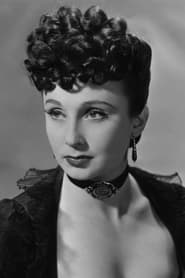
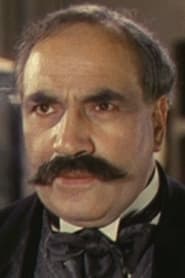
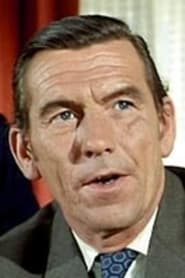
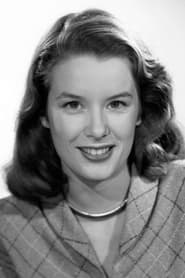
There are five segments in Dead Of Night that are jointly directed by Alberto Cavalcanti (Went the Day Well?), Basil Dearden (Victim), Robert Hamer (Kind Hearts and Coronets) and Charles Crichton (The Lavender Hill Mob). In the cast we have Mervyn Johns, Googie Withers, Sally Ann Howes, Roland Culver, Frederick Valk and a stunning Michael Redgrave. The stories consist of "The Hearse Driver," "The Christmas Story," "The Haunted Mirror," "The Golfing Story" and the chilling crowning glory that is "The Ventriloquist Dummy" (the latter being responsible for my fear of talking dummies even to this day).

In spite of my obvious love for this film (it "is" the greatest anthology spooker ever) I'm aware that it suffers from a variance of pace (the bane of anthology films), whilst the light relief in the form of "The Golfing Story" , whilst being a jolly bit of cinema, is in truth a segment that doesn't sit quite right. More so when you consider it precedes the film's acknowledged Dummy led high point. Yet dust off the terribly British cobwebs and you find a hugely influential picture in the pantheon of horror anthologies. A film backed up by two genuinely creepy episodes (RE: The Haunted Mirror as well as that damn Dummy one). Thankfully, as Ealing films have found a new audience on DVD, Dead Of Night has been subjected to worthy and complimentary re-appraisal. Especially in America, where confusion reigned back in the day as two segments were cut from the released picture (segment 4 Golf and segment 2 Christmas), I mean imagine trying to make sense of character continuity there!

So turn off the lights, listen to the sharp dialogue, and always keep one eye on what's stirring in the shadows, especially at the Dead Of Night... 9/10

CinemaSerf

CinemaSerf

7 /10

Ever since I was a small child I have loathed ventriloquist's dummies. They put the fear of death into me - and I am fairly certain that seeing this film in the 1970s is to blame. It's a compendium of four stories told by guests at a farmhouse, and is all kicked off by Mervyn Johns ("Craig") who has a recurring - and rather menacing - dream that predicts doom and gloom. Before he can finish his story, though, we hear from three of the others. One involves a married couple where the husband becomes drawn into the life on the other side of his mirror: a mirror that comes from a room with a grisly past. The second is a more light-hearted haunting mystery with Basil Bradford and Naunton Wayne before the third, featuring an effective Michael Redgrave, is the one with the ghastly puppet - and then it is all rounded off by Mervyn. Thing is - is any of it real? Is is prophetic? Well you have to get to the end, and even then... It is well written and editing together. The episodic nature of the stand-alone stories works well keeping them short and snappy and the swathe of character actors who pepper the whole hundred minutes are all well cast and deliver solidly as we build to quite a gripping - if short - denouement. Watch in the dark with a glass or two and the rain beating against the window and this is really quite effective!

Recensioni fornite da TMDB